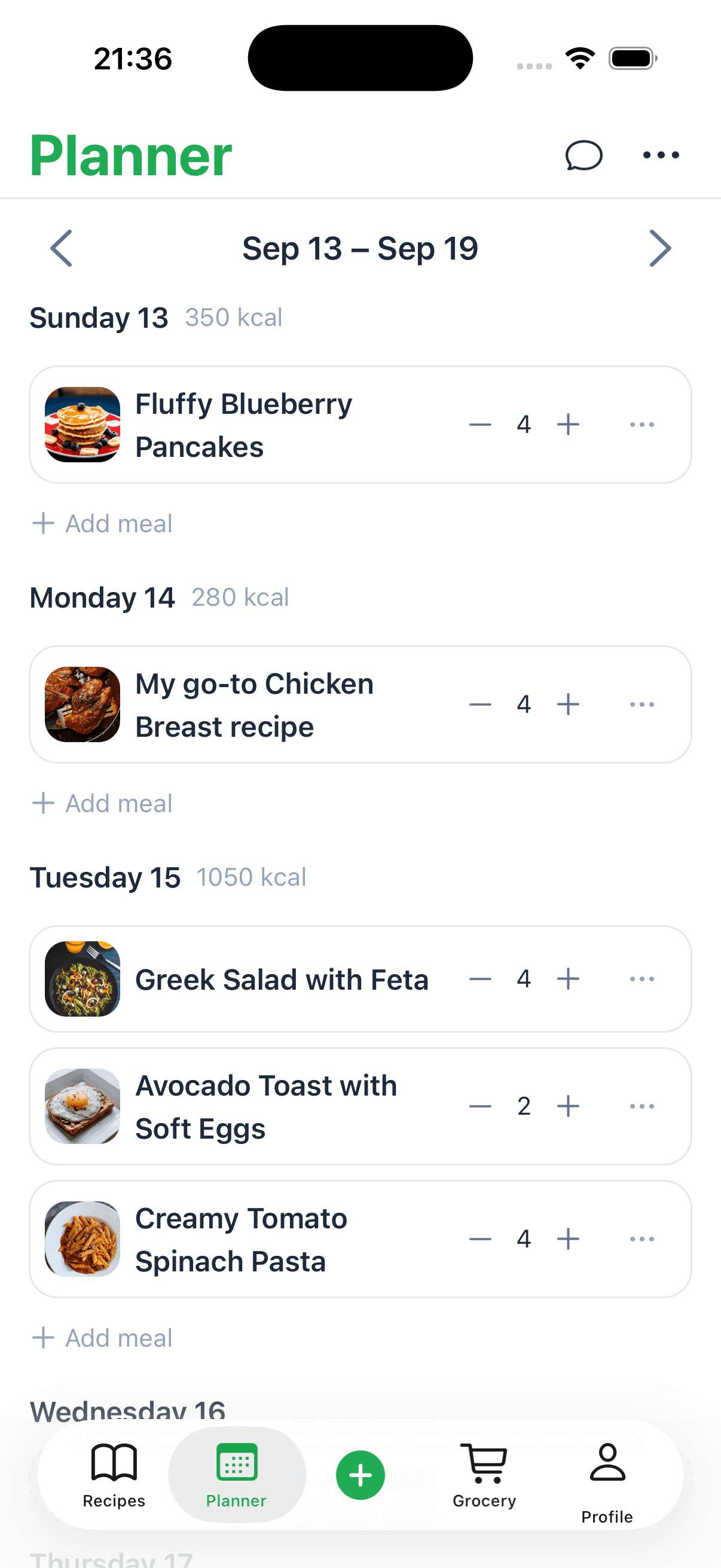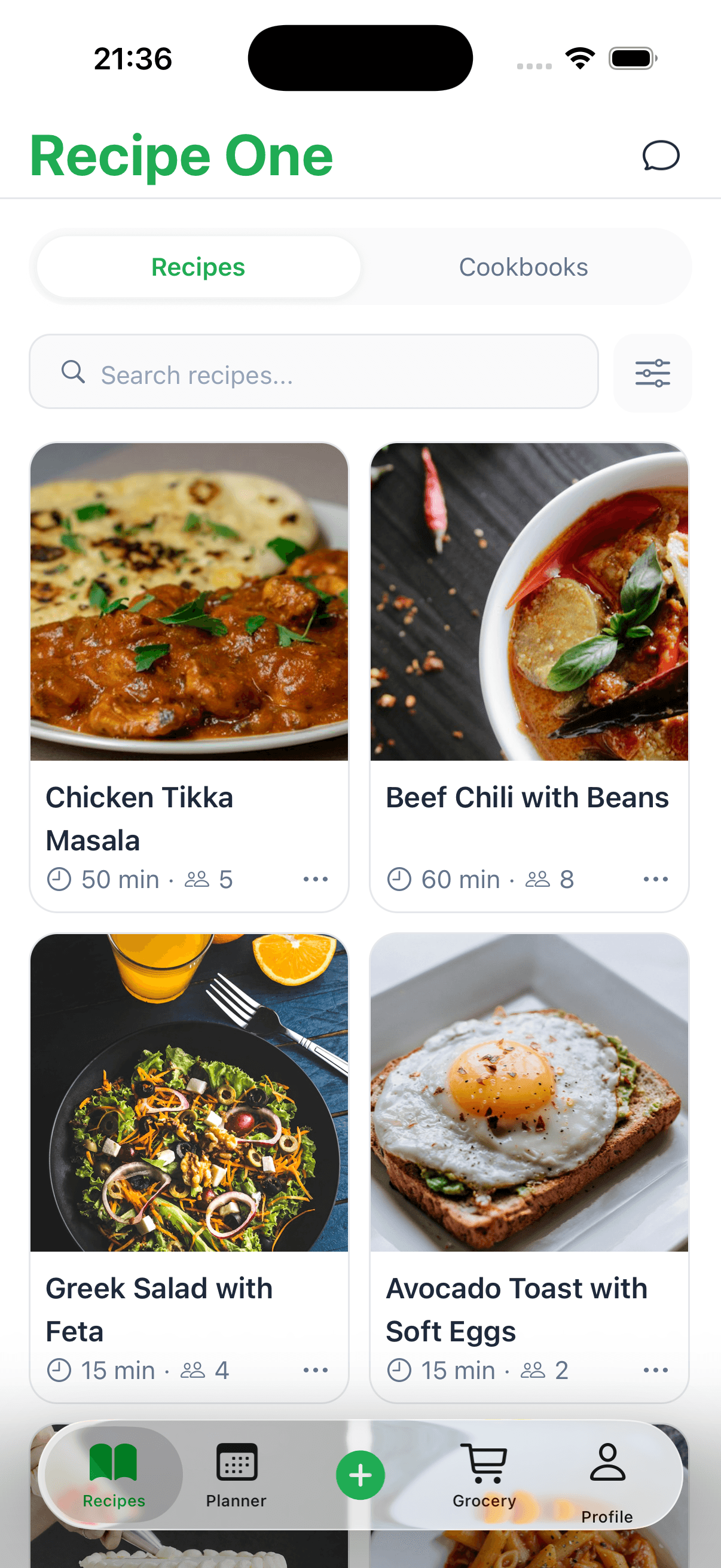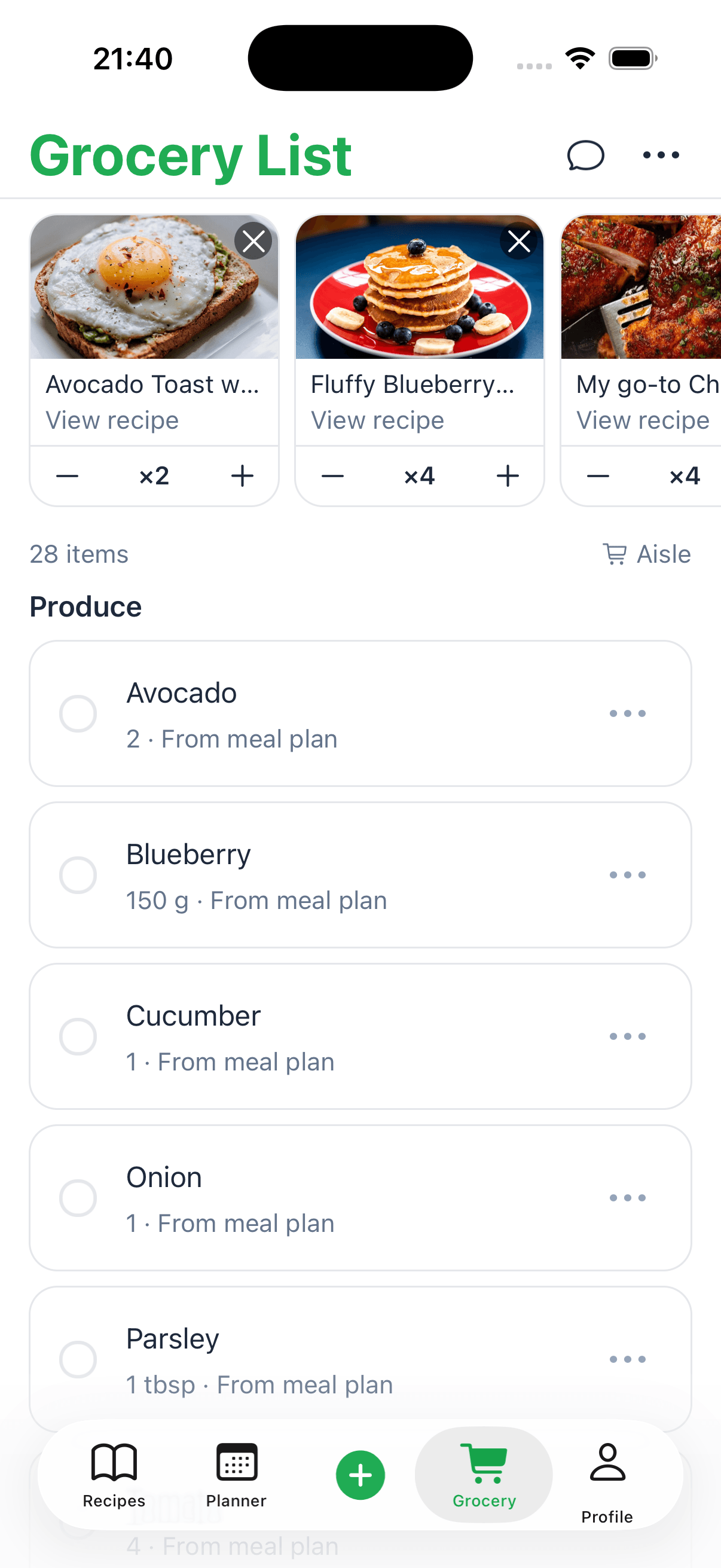
Creating a family cookbook is a fantastic project, and it really just comes down to having a good plan. You’re essentially taking on three big steps: first, gathering all those precious recipes and stories from your relatives; second, designing a layout that’s easy to read and looks great with photos; and finally, picking a printing option that makes sense for you. This project transforms that messy pile of recipe cards and scribbled notes into a genuine family heirloom.
Why Create a Family Cookbook Now
Let’s be honest, a family cookbook is so much more than a list of ingredients. It’s a physical piece of your family’s history. It’s the smell of Grandma’s kitchen on a holiday, the taste of your dad’s weekend barbecue, and all the comforting meals that have brought everyone together for years. Every food-stained page and handwritten note tells a story, connecting you and future generations back to your roots. This isn’t just about food—it’s about preserving the love and memories baked into every single dish.
Capturing a Legacy in the Kitchen
So many of our most important family recipes aren't written down anywhere. They exist only in the minds of our parents or grandparents, measured in "a little bit of this" and "a dash of that." When you decide to create a family cookbook, you’re basically becoming a family historian. You’re making sure that your great-grandmother's legendary biscuit recipe or your uncle's top-secret BBQ sauce doesn't get lost forever.
This simple visual breaks down the whole process into manageable chunks.

As you can see, the journey is a straightforward cycle of gathering information, designing the pages, and then printing the beautiful final product.
Embarking on this project also connects you to a bigger trend. People everywhere are trying to get back in touch with their culinary heritage. The cookbook market is booming—in the U.S. alone, sales reached an incredible 17.8 million copies back in 2020. This clearly shows how much people value home cooking and the personal stories that go with it.
By getting these recipes down on paper, you're creating a definitive guide to your family's most beloved dishes. It’s a powerful way to honor the amazing cooks who came before you and to pass down a priceless gift to the generations that will follow.
A Meaningful and Accessible Project
The best part about all of this? You absolutely don't need to be a professional chef or a graphic designer to pull it off. With the right tools and a solid plan, anyone can create a beautiful, lasting tribute to their family’s kitchen. To get started, you can find a lot of great, budget-friendly ideas in our guide on https://www.recipeone.app/blog/how-to-create-a-cookbook-for-free.
For a deeper dive into the entire process of turning an idea into a physical book, check out this excellent resource on how to create a book from idea to launch. It walks you through everything from the initial spark of an idea to holding the finished product in your hands. This guide will help you navigate every step, ensuring your cookbook project is a fun and rewarding experience from start to finish.
To give you a clearer picture of the road ahead, here's a quick overview of what the project looks like from a high level.
Your Family Cookbook Project at a Glance
Project Phase
Key Objective
Estimated Time
Phase 1: Collection
Gather recipes, photos, and stories from family members.
2-4 weeks
Phase 2: Organization
Standardize recipe formats and organize content into sections.
1-2 weeks
Phase 3: Design
Create the layout, add photos, and write introductions.
2-3 weeks
Phase 4: Printing & Distribution
Choose a printing service and share the final book with family.
1-2 weeks
This table maps out the key stages, helping you see that this wonderful, meaningful project is absolutely achievable.
Gathering Your Family's Recipes and Stories
This is where the fun really starts—the treasure hunt for your family’s most cherished dishes. Gathering recipes isn't just about collecting ingredient lists. It's about digging into the heart and soul of your family's kitchen, one memory at a time, to create something that feels truly authentic.
Your first step is a warm, friendly outreach. A heartfelt email, a group text, or even a private Facebook group can work wonders. I've found that using a group setting often gets the ball rolling faster; when relatives see others sharing, they feel inspired to jump in with their own favorites.
When you make your ask, be specific. Don't just request "recipes." Ask for the dishes that mean something. Think Aunt Carol's legendary Thanksgiving sweet potato casserole or Grandpa Joe's Sunday morning pancakes. Those are the recipes that tell a story.
Going Beyond the Ingredient List
Sure, a list of ingredients and steps is practical, but the stories behind the food are what will turn your cookbook into a family heirloom. A recipe for sugar cookies is fine. But knowing it’s the exact recipe Grandma used every Christmas, baked with her grandkids getting flour all over the kitchen? That’s priceless.
Gently nudge your relatives to share those little details. To get the conversation flowing, I like to ask a few simple questions:
- Who taught you how to make this? This can uncover a whole line of culinary history you never knew existed.
- When do you usually make it? Is it a holiday staple, a go-to for sick days, or just a simple weeknight dinner?
- Any funny stories that go with this recipe? Maybe the first attempt was a complete disaster or it was invented by accident.
- What makes this dish so special to you? The answer could be a secret ingredient or just the warm, fuzzy feeling it brings back.
These questions open the door for real storytelling, adding a layer of personal history that will connect with everyone for years to come.
The Art of the Gentle Interview
Let’s be honest: some of the best family recipes aren't written down anywhere. They live in the minds and hands of older relatives who cook by feel, using "a pinch of this" and "a dash of that." Capturing these unwritten treasures takes a bit of detective work.
If you can, schedule a time to cook alongside them. This is, without a doubt, the best way to document their process. You can jot down notes, snap photos, or even record a quick video on your phone while they work their magic.
By watching them, you can finally translate their intuition into real measurements. That "little bit of flour" might be about a quarter cup, and "baking until it looks right" probably means 35 minutes at 350°F.
This hands-on time doesn't just guarantee accuracy; it creates a beautiful new memory. It's a chance to learn directly from the family's master chef.
Taming the Flood of Information
Once the recipes and stories start rolling in, you need a plan to keep everything straight. You’re going to get a mix of everything: handwritten cards, typed-out emails, links to random websites, and blurry photos of old cookbook pages. This initial chaos is totally normal.
The key is to digitize everything into one consistent format as soon as it arrives. Doing this right away prevents things from getting lost in the shuffle. A good recipe saver app can be a lifesaver here, giving you one central, searchable library for everything.
As you save each recipe, set up a simple folder system on your computer or in a cloud drive. Label folders clearly, either by the name of the person who sent it or by category (e.g., "Appetizers," "Main Courses," "Desserts"). Don't forget a separate folder for all the photos and stories. This little bit of organization now will save you a massive headache later when you start putting the book together.
Turning a Recipe Box into a Real Cookbook
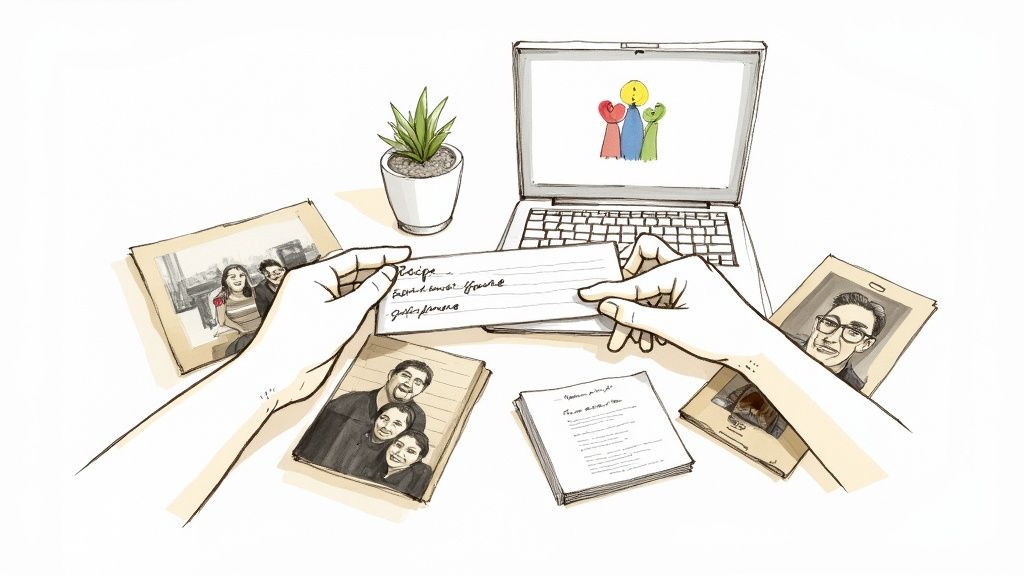
After the exciting treasure hunt for recipes, you're probably looking at a wonderful, chaotic pile of stained notecards, saved emails, and screenshots. Now for the fun part: turning that beautiful mess into a cookbook your family can actually use.
This is where you bring consistency to the collection. The goal is to create something that’s not just a keepsake but a practical tool in the kitchen.
The first big hurdle? Translating those charming but vague family measurements. So many of our best family recipes come with directions like "a pinch of this," "a knob of butter," or "bake 'til it's done." While Grandma knew exactly what that meant, it’s a guessing game for the rest of us.
Your job now is to be a recipe detective. You'll need to convert those intuitive notes into concrete units like teaspoons, cups, and grams. If you were lucky enough to cook alongside a relative, you've got a head start. If not, don't be afraid to do a few test runs in the kitchen to figure out what "a dash" really means.
Getting a Consistent Recipe Structure
To make your cookbook easy to follow, every single recipe needs to have the same format. A consistent structure means cooks can find what they need at a glance, without hunting for oven temperatures or wondering how many people a casserole will feed. This one step will elevate your project from a simple scrapbook to a truly functional guide.
A solid recipe template should always include these key pieces of information:
- Prep Time: How long it takes to chop, measure, and get everything ready.
- Cook Time: The actual time the dish spends on the stove or in the oven.
- Total Servings: A realistic idea of how many people the recipe will feed.
- Ingredient List: Use precise measurements (e.g., "1 cup," not "a cup").
- Step-by-Step Instructions: Write clear, simple directions in a numbered or bulleted list.
Adopting a consistent format is the single most important thing you can do to make your family cookbook user-friendly. It creates a predictable rhythm that lets the unique stories and flavors of each dish shine.
This structured approach is a game-changer. For a deeper dive into this, check out our guide on how to organize recipes effectively. It’s full of practical tips to help you build a logical system.
Deciding How to Organize the Cookbook
With all your recipes standardized, it's time to think about the big picture. How will you arrange them? The structure you choose shapes the story your cookbook tells, and there's no single right answer. It all depends on your family's unique traditions.
One of the simplest and most popular methods is to organize everything by course. It's a classic for a reason—everyone gets it.
Common Cookbook Structures
Organization Style
Best For
Why It Works
By Course
Most families
Intuitive sections like Appetizers, Soups, Main Dishes, and Desserts are easy to navigate.
By Family Branch
Large, blended families
Chapters like "The Miller Recipes" or "Grandma Sofia's Specialties" honor different sides of the family.
By Holiday/Occasion
Families with strong traditions
Sections for Thanksgiving, Christmas, or Summer BBQs group recipes by how they're actually used.
Organizing by course is always a safe bet, especially if your family has a sweet tooth. Baking is a huge passion for home cooks—in fact, U.S. sales for baking cookbooks recently shot up by over 80% in just one year.
Ultimately, think about how your family talks about food. Does a holiday-themed book feel right? Or does grouping recipes by who made them best honor your heritage? Whichever path you choose, a thoughtful structure is what turns a simple recipe collection into a cohesive family story.
Designing a Beautiful and Readable Cookbook
Okay, you’ve gathered the recipes and corralled the family stories. Now for the fun part: making it all look like a real, honest-to-goodness cookbook. This is where you get to transform a simple collection of text into a beautiful keepsake your family will actually be excited to crack open.
And don't worry if you're not a graphic designer. Creating a great layout is less about technical wizardry and more about making smart, simple choices.
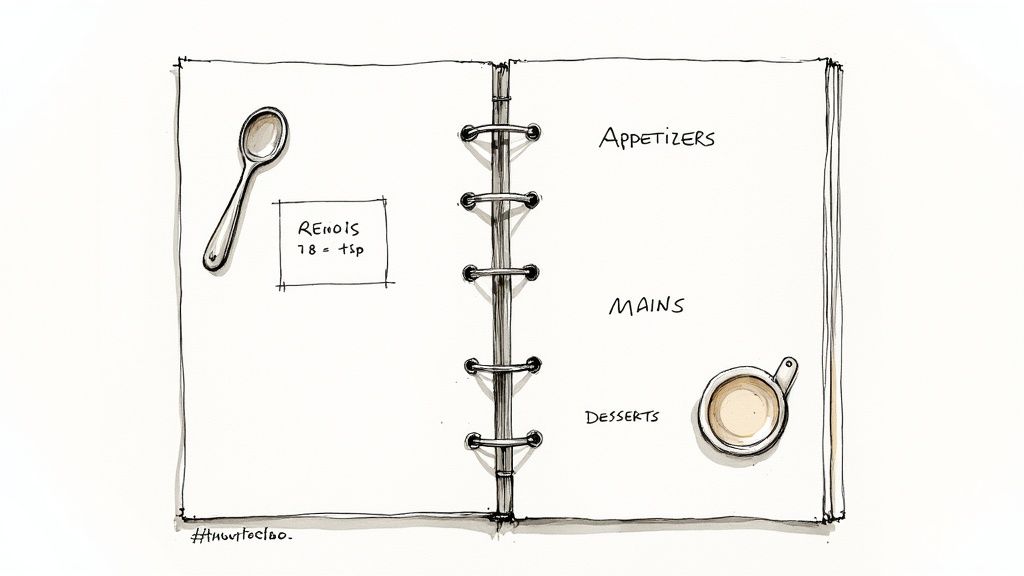
The real goal here is to balance readability with personality. You want pages that are easy to follow when you’ve got flour on your hands, but that also feel like your family.
Choosing Your Design Tools
First things first, you need to decide how you're going to build this thing. There are plenty of options out there, from dead-simple web tools to the same software the pros use. Your best bet depends entirely on your comfort level with tech and how much you want to micromanage the design.
To help you figure out where to start, here’s a look at some of the most popular choices.
Cookbook Design Tool Comparison
| Tool | Best For | Ease of Use | Cost |
|---|---|---|---|
| Canva | Beginners and anyone who loves a good template. | Very Easy | Free with optional Pro features. |
| Blurb | An all-in-one platform for both designing and printing. | Easy | Free to design; you pay for printing. |
| Adobe InDesign | Ambitious creators who want total control over every detail. | Difficult | Subscription-based (part of Adobe Creative Cloud). |
For most people, a tool like Canva really hits the sweet spot. It gives you a ton of creative freedom without a steep learning curve. If you want an even easier starting point, exploring some well-designed templates for cookbooks can give you a professional-looking foundation to build on.
The Core Elements of a Great Layout
A truly great cookbook layout really only boils down to a few key things. Get these right, and your book will be a joy to use.
Typography That Works
The fonts you pick are a bigger deal than you might think. You'll need at least two: one for headings (the recipe title) and another for the body text (your ingredients and instructions). The name of the game is contrast and clarity.
- For Headings: Feel free to pick something with a little personality. A classic serif or a modern, clean sans-serif font can set a great tone.
- For Body Text: This one is all about readability. Think simple and clean. Fonts like Helvetica, Lato, or Garamond are perfect because they’re easy to read at a glance, especially in a messy kitchen.
If you really want to get it right, learning a few basics can make a huge difference. There are some excellent typography tips for book covers and interior pages out there that can help you make choices like a pro.
A Cohesive Color Palette
Your color scheme sets the entire mood. You can pull inspiration from anywhere—an old family photo, the color of your grandma’s kitchen, or even the ingredients in a signature dish. A simple palette of 2-3 complementary colors plus a neutral like gray or off-white is usually all you need for a polished look that doesn't feel chaotic.
Your design should serve the content, not distract from it. The best layouts are clean and uncluttered, allowing the recipes, photos, and stories to be the true stars of the show.
Integrating Photos and Stories
This is what will truly make your cookbook special. Weaving in photos and short anecdotes is how you turn a list of instructions into a family treasure. But how you place them matters.
Instead of just dropping photos randomly, think about creating a rhythm. A big, beautiful full-page photo is a perfect way to introduce a new chapter. Smaller snapshots—maybe of someone mid-stir or an old, faded family picture—can be tucked alongside the recipe steps to add warmth and context.
Now for a crucial technical tip: image quality is non-negotiable for printing. To avoid blurry, pixelated pictures, every single photo needs to be at least 300 DPI (dots per inch). Most smartphones today take high-quality pictures, but make sure you’re using the original file, not a compressed version sent over text or social media. If you're scanning old photos, crank your scanner up to its highest resolution setting. It's an extra step, but it’s the only way to ensure those precious memories look their absolute best on the printed page.
Printing and Sharing Your Family Cookbook
This is it—the moment all your hard work comes together. You've gathered the recipes, organized the stories, and designed every page. Now it's time for the final, most rewarding step: turning your digital file into a real, hold-in-your-hands family heirloom.
Even in our digital world, there's something special about a physical book, especially one filled with memories. It’s no surprise that the global market for paper cookbooks is expected to reach USD 11.77 billion by 2032. People still love the feel of a real book in the kitchen. You can read more about it in the full paper cookbook market research.
Choosing Your Printing Path
When it’s time to print, you basically have two main options. The best choice really boils down to your budget and how many copies you actually need.
A fantastic route for most family projects is print-on-demand (POD). Services like Blurb or Lulu are built for this. You just upload your finished PDF, and they print and ship books as they're ordered. This is perfect because there's no big upfront cost, whether you need one copy for yourself or twenty for the whole clan.
The other path is traditional offset printing. This is what you'd do at a local print shop, where they run a large batch all at once. The cost per book drops dramatically, but you'll likely have to commit to a minimum order—think 50 or 100 copies. This is a great fit for a massive family reunion or if you're planning to sell the books for a fundraiser.
Making It Feel Special
The little details are what elevate a cookbook from a simple collection of recipes to a cherished heirloom. As you set up your print order, you’ll be making a few choices that have a huge impact on the final product.
- Paper Choice: For the pages inside, a matte or satin finish is your best bet. They’re easy on the eyes and don't create glare under kitchen lights. I recommend a slightly heavier stock, maybe around 80-100 lb. text weight, which feels substantial and keeps ink from showing through.
- Binding Style: For pure practicality, nothing beats spiral binding. It lets the book lay completely flat on the counter—a lifesaver when your hands are covered in flour. If you're going for a classic "bookshelf" look, perfect binding (like a paperback) or a beautiful hardcover are wonderful choices.
- Cover Finish: A glossy cover will make your photos and colors really pop. On the other hand, a matte finish lends a more modern, sophisticated touch. There's no wrong answer, just personal preference.
Before you hit "print" on the full order, do this one thing: request a single proof copy. I can't stress this enough. Holding a physical sample is the only way you'll spot that typo you've read a dozen times or realize a photo that looked sharp on screen is actually a bit fuzzy on paper.
The Big Reveal
When those boxes finally arrive, the real fun begins. How you present the cookbook can make the moment just as special as the recipes inside. A big family get-together—Thanksgiving, Christmas, a summer barbecue—is the perfect backdrop.
Consider wrapping each book and adding a handwritten note. You could mention a specific memory tied to a recipe that person shared or just let them know how much their contribution meant. Turning the handout into an event transforms the book from a simple gift into a true celebration of your family's history.
And remember, a printed book is a beautiful snapshot in time. To keep the collection growing, it’s smart to maintain the digital version. For some great tips on keeping everything organized, check out our guide on the best way to store recipes.
A Few Common Questions About Making a Family Cookbook
Embarking on a family cookbook project is a truly rewarding journey, but it’s not unusual to hit a few little snags along the way. These questions pop up all the time.
Think of this as a quick-and-dirty guide to navigating those tricky spots. We're not getting bogged down in legal jargon or family politics—just simple, practical answers to keep you focused on what really matters: celebrating your family's story.
Can I Include a Recipe I Found Online or in Another Cookbook?
This is a big one. It’s the classic "Grandma’s famous chili was actually from the back of a can" scenario. Don't worry, the rules around recipe copyright are more flexible than you might think, especially for a personal project like this.
A simple list of ingredients isn't protected by copyright law—it's just a statement of facts. It’s the descriptive writing, the specific instructions, and the accompanying stories or photos that are copyrighted.
So, what does that mean for you?
- Rewrite the instructions in your own words. This is the key. Describe how you make it, not how the original author did.
- Give credit where it’s due. It’s just good manners. A simple note like, “Inspired by Ina Garten’s recipe,” is perfect.
- Add your personal touch. Most family recipes get tweaked over the years anyway. Mention any changes you've made—maybe you use a different spice, a simpler technique, or substitute an ingredient.
By doing this, you’re not just avoiding any potential issues, you’re making the recipe truly part of your family's collection.
What if I Have Two Versions of the Same Family Recipe?
It happens constantly. You ask Aunt Carol and your cousin David for the family’s macaroni and cheese recipe, and you get two different ingredient lists. One swears by sharp cheddar, the other uses Gruyère. One tops it with breadcrumbs, the other thinks that’s sacrilege.
Instead of trying to pick an "official" version (and potentially starting a small family feud), lean into it! This is a golden opportunity to add more personality to your cookbook.
Here are a few ways to handle it:
- Feature Both Recipes Side-by-Side: Title them "Aunt Carol's Mac & Cheese" and "David's Mac & Cheese." This honors both people and shows the recipe's evolution.
- Create a "Family Variations" Note: Pick one as the primary recipe and add a small section at the bottom. You could write something like, "For an extra-creamy sauce, David's version swaps the cheddar for Gruyère."
- Merge Them into a Master Recipe: You could create the ultimate version that combines the best of both, but make sure you credit everyone. A little intro can explain, "This recipe combines Aunt Carol's classic method with David's updated cheese blend."
Don't see conflicting recipes as a problem. See them as proof of a living, breathing culinary tradition. Each version tells a story.
How Should I Archive My Cookbook Digitally?
After pouring so much love into this project, the last thing you want is to lose it. A physical copy is a beautiful heirloom, but a solid digital backup is non-negotiable. A hard drive crash or a lost file would be devastating.
A good digital archive means you can easily print more copies for new family members years from now or make updates as the family food traditions grow.
Here’s a simple, bulletproof plan for keeping your work safe:
- Save in Multiple Formats: Keep the final, print-ready PDF, but more importantly, save the original design file from whatever software you used (like Canva or InDesign). This is your "master key" for future edits.
- Use Cloud Storage: Don't just leave the files on your computer. Upload everything to a cloud service you trust, like Google Drive or Dropbox. This protects your project from computer theft, failure, or accidental deletion.
- Share Access with Another Family Member: Pick one or two reliable relatives and share the folder with them. This creates redundancy. If something happens to your account, someone else has a copy of the family’s culinary legacy.
Creating a family cookbook is a journey filled with memories, delicious food, and a few logistical puzzles. By getting ahead of these common questions, you can enjoy a stress-free process and create something that will be treasured for generations.
Ready to capture your family's recipes without the hassle of manual transcription? Recipe One uses AI to instantly save recipes from videos, websites, and even handwritten notes into a clean, organized digital library. Start building your forever cookbook with a single click. Learn more and get started at Recipe One.