Learning how to cook isn't about becoming a world-class chef overnight. It's really about mastering a few simple skills and building your confidence one small victory at a time. The first time you chop an onion without crying (or at least, without making a total mess), you'll feel it. That little win empowers you to try something else, and soon enough, you're making amazing meals from scratch.
Why Anyone Can Learn to Cook
Welcome to your kitchen! If you’ve always thought cooking was too complicated, took too much time, or was just for "other people," I'm here to tell you that’s not true. Learning to cook is a skill, just like any other, and it opens up a world of creativity, savings, and much healthier eating. All it takes is a little curiosity and the willingness to give it a shot.
For a lot of people, the motivation is purely practical: saving money and eating better. Think about it—swapping just a few restaurant meals or takeouts for home-cooked ones can make a huge difference. In fact, households that trade three takeout meals a week for cooking at home can slash their monthly food budget by an estimated 15–25%.
This shift is so big that the meal kit market, which is designed to make cooking easier for novices, is expected to grow to a massive $65.5 billion by 2035. You can see more on this trend in a detailed Statista report on home cooking.
Busting Common Cooking Myths
Before we dive in, let’s clear the air and get rid of the myths that probably hold you back. Getting past these mental blocks is the first real step toward feeling comfortable in the kitchen.
- "You need to be a natural." Absolutely false. Cooking is a learned skill, just like riding a bike or learning an instrument. It just takes a bit of practice, not some kind of innate talent.
- "It takes way too much time." Sure, some recipes are all-day affairs, but many incredible, healthy meals can be on the table in under 30 minutes. That's often faster than waiting for a delivery driver to show up.
- "Making a mistake means you're a failure." Every single cook—from a complete beginner to a seasoned pro—has kitchen disasters. A burnt pan or a too-salty soup isn't a failure, it’s just a lesson in what not to do next time.
The goal isn’t perfection; it’s progress. Your first meal doesn't need to be Instagram-worthy. It just needs to be yours. Celebrate the small wins, like not burning the garlic or finally figuring out how to make perfect scrambled eggs.
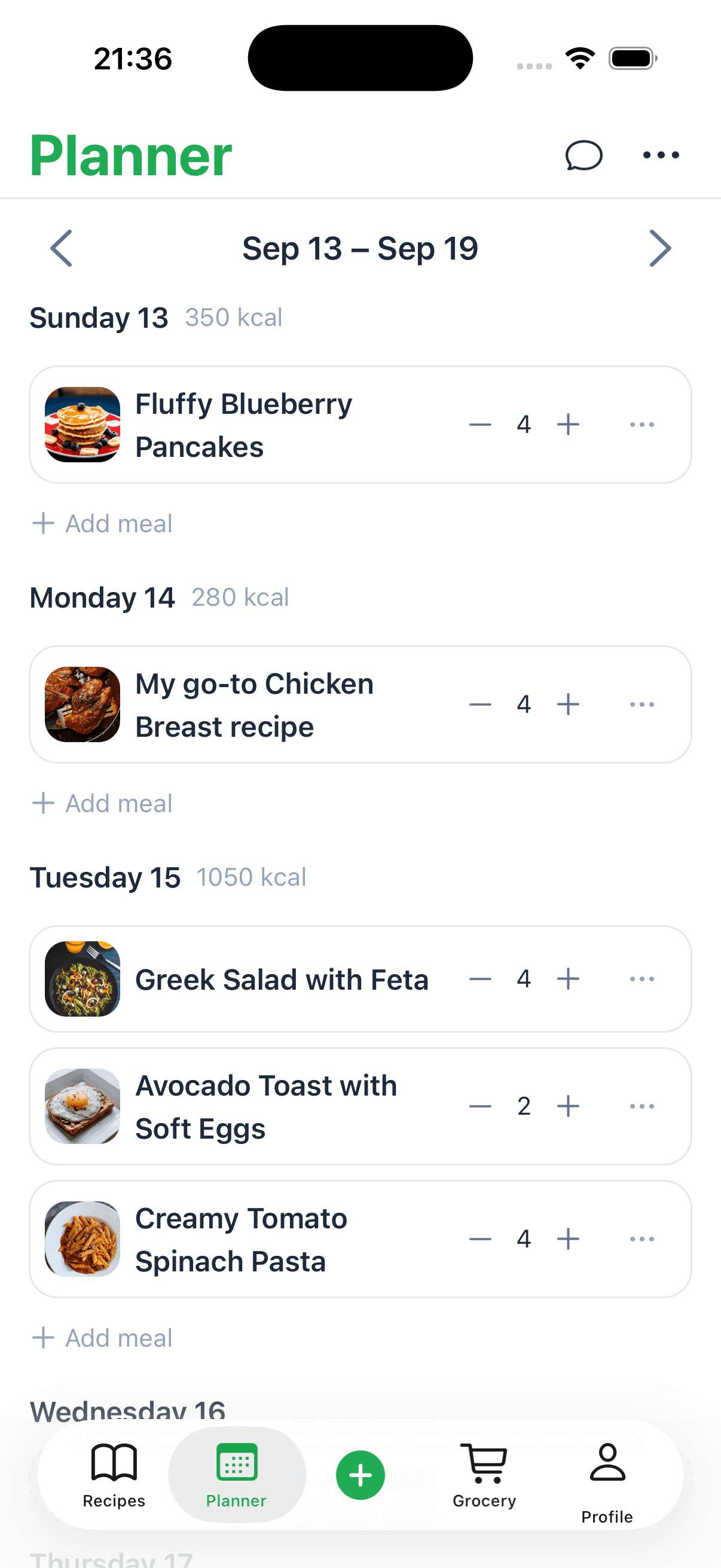
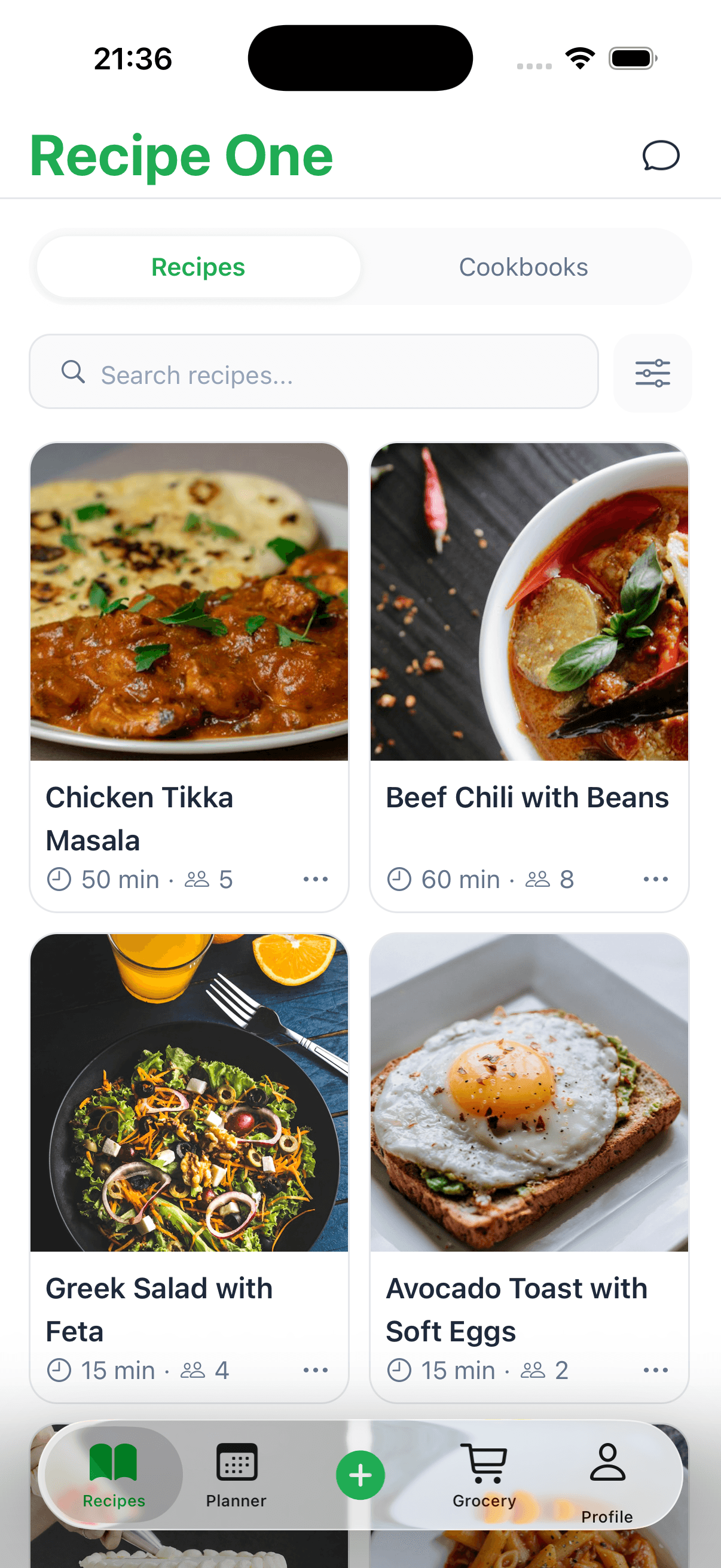
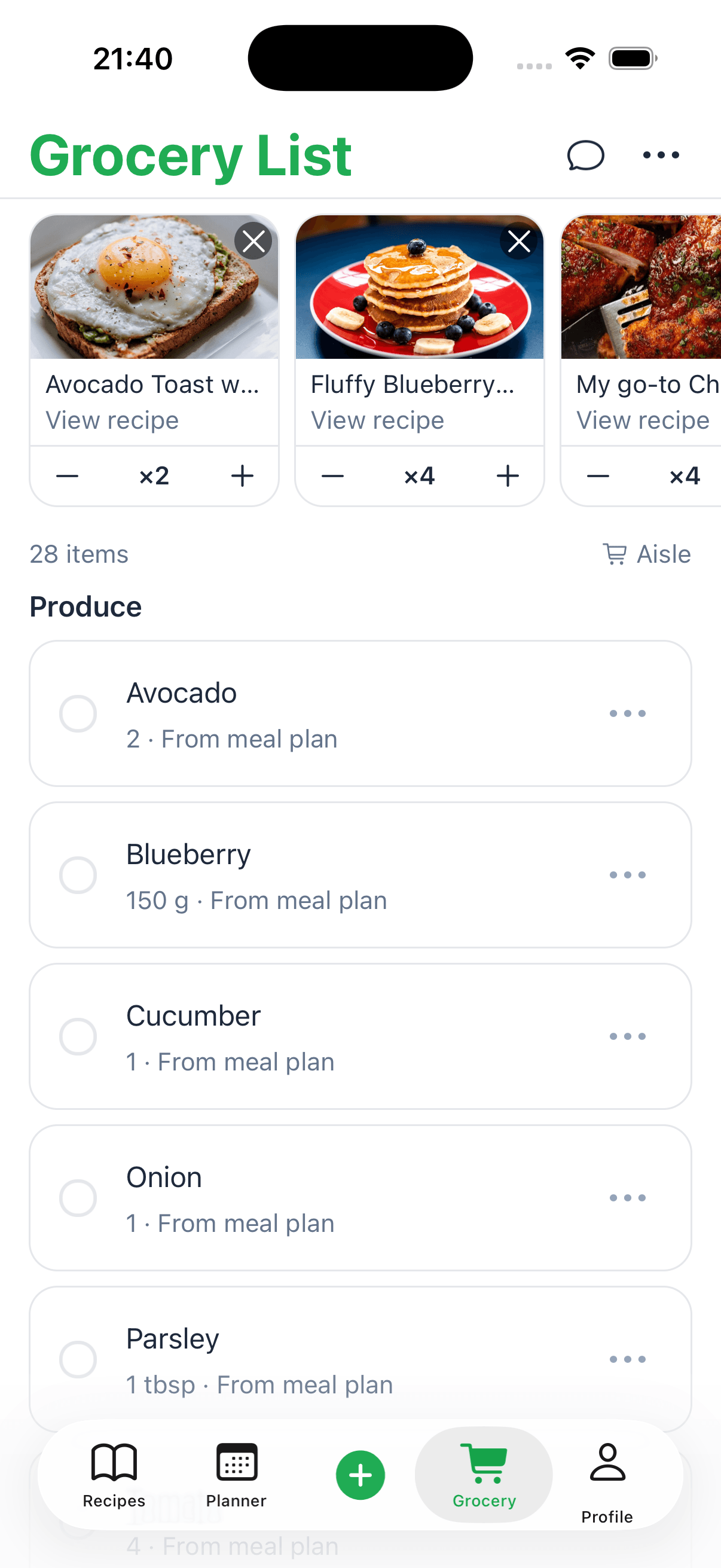
This guide will give you the roadmap, from the essential tools you actually need to your first few foolproof recipes. If you want some extra help, checking out the best cooking apps for beginners can give you step-by-step guidance right from your phone.
Let's get started.
Building Your First Kitchen Toolkit
Walking into a kitchen supply store can be seriously overwhelming. You see walls of gadgets and gizmos, and it's easy to think you need it all to cook a decent meal. I'm here to tell you that's just not true.
The secret is to start small with a handful of high-quality, versatile tools. Forget the avocado slicer and the banana bunker. A minimalist toolkit will get you through 99% of beginner recipes and save you a ton of money and cabinet space.
Your Essential Beginner Kitchen Toolkit
Let's break down the absolute must-haves. These are the workhorses of my own kitchen—the items I reach for again and again. Investing a bit more in these core pieces really pays off, as they'll last for years and make your time in the kitchen so much more enjoyable.
| Tool | Primary Use | What to Look For |
|---|---|---|
| 8-inch Chef's Knife | Your go-to for chopping, slicing, and dicing everything. | Find one that feels comfortable and balanced in your hand. A sharp, solid blade is a must. |
| Large Cutting Board | Protecting your countertops and the edge of your knife. | Wood or plastic are both great. Just make sure it’s big enough that you’re not crowding your food. |
| 10–12 inch Non-Stick Skillet | Perfect for eggs, pancakes, and sautéing without food sticking. | A heavier bottom distributes heat more evenly and prevents warping. This pan is a beginner's best friend. |
| 2–3 quart Saucepan | Boiling pasta, simmering sauces, or reheating soup. | Look for one with a thick, heavy base to keep sauces from scorching on the bottom. |
Think of these four items as your kitchen's starting lineup. They'll handle almost anything you need to do as you start your cooking journey.
Of all these, your knife is probably the most important. A good knife makes prepping food faster, safer, and way more fun. It’s worth taking a moment to understand the essential types of knives and their uses before you buy.
Stocking a Smart Pantry
A great kitchen isn't just about the gear; it's also about having the right ingredients ready to go. A smartly stocked pantry is your secret weapon for making something delicious without a last-minute grocery run. You don't need to buy out the entire store, just a few key players.
These ingredients are your flavor building blocks. With a handful of these staples, you can pull together a simple pasta sauce, season roasted vegetables, or whip up a quick vinaigrette in minutes.
Your pantry is the foundation of spontaneous, creative cooking. With a few key ingredients, you're never more than 20 minutes away from a satisfying meal. Don't overcomplicate it; start with the basics and build from there.
Here’s a quick list to get you started:
- Oils and Fats: A good olive oil for general cooking and dressings, plus some butter for richness.
- The Big Three Seasonings: Salt, black pepper, and garlic (fresh or granulated). These are non-negotiable for almost any savory dish.
- A Little Acidity: Vinegar (balsamic or apple cider is a good start) and fresh lemons. A splash of acid at the end of cooking can brighten up an entire dish.
- Canned Goods: A can of diced tomatoes or some beans can instantly become the base for a quick chili, soup, or pasta sauce.
As you start following recipes, you'll inevitably run into measurement conversions. Is it 8 ounces to a cup? How many tablespoons in a quarter cup? Instead of guessing, it's helpful to have a reliable tool. You can find a bunch of free kitchen calculators and converters on Recipe One's handy Tools page to help with everything from oven temperatures to metric conversions.
Mastering a Few Essential Techniques
Now that your kitchen is stocked, let's get into the how of cooking. You really don't need to know dozens of complicated techniques to make incredible food. Honestly, most recipes boil down to just a handful of core skills. Once you get these down, you can cook almost anything.
Think of them as your cooking superpowers. Understanding the why behind a technique is what separates a cook from someone who just follows directions. It’s what turns a rigid recipe into a flexible guide, giving you the confidence to start playing with your food.
Safe and Simple Knife Skills
Your chef's knife is your new best friend. I know it can look intimidating, but learning to hold and use it correctly is all about safety and control. Forget that super-fast, dramatic chopping you see on TV—focus on slow, steady, and consistent cuts.
A great way to practice is on something easy to handle, like a zucchini or a stalk of celery. The goal is just to get comfortable with the feel and motion of the knife before you tackle something wobbly and round like an onion.
- The Grip: Hold the handle firmly with your main hand, but also "pinch" the base of the blade with your thumb and index finger. This simple adjustment gives you way more control than just holding the handle.
- The Guide Hand: Your other hand is there to guide the blade and protect your fingers. Curl your fingertips under, making a "claw" shape. Your knuckles should stick out just a bit, acting as a bumper for the flat side of the knife to rest against. This keeps your fingertips safely tucked away.
Your knife should do the work. Instead of pushing straight down, use a gentle rocking or forward-sliding motion. This slices cleanly through the food instead of crushing it, which makes a surprisingly big difference in the final texture.
The simple flow of prepping your ingredients is the first step in almost every recipe.
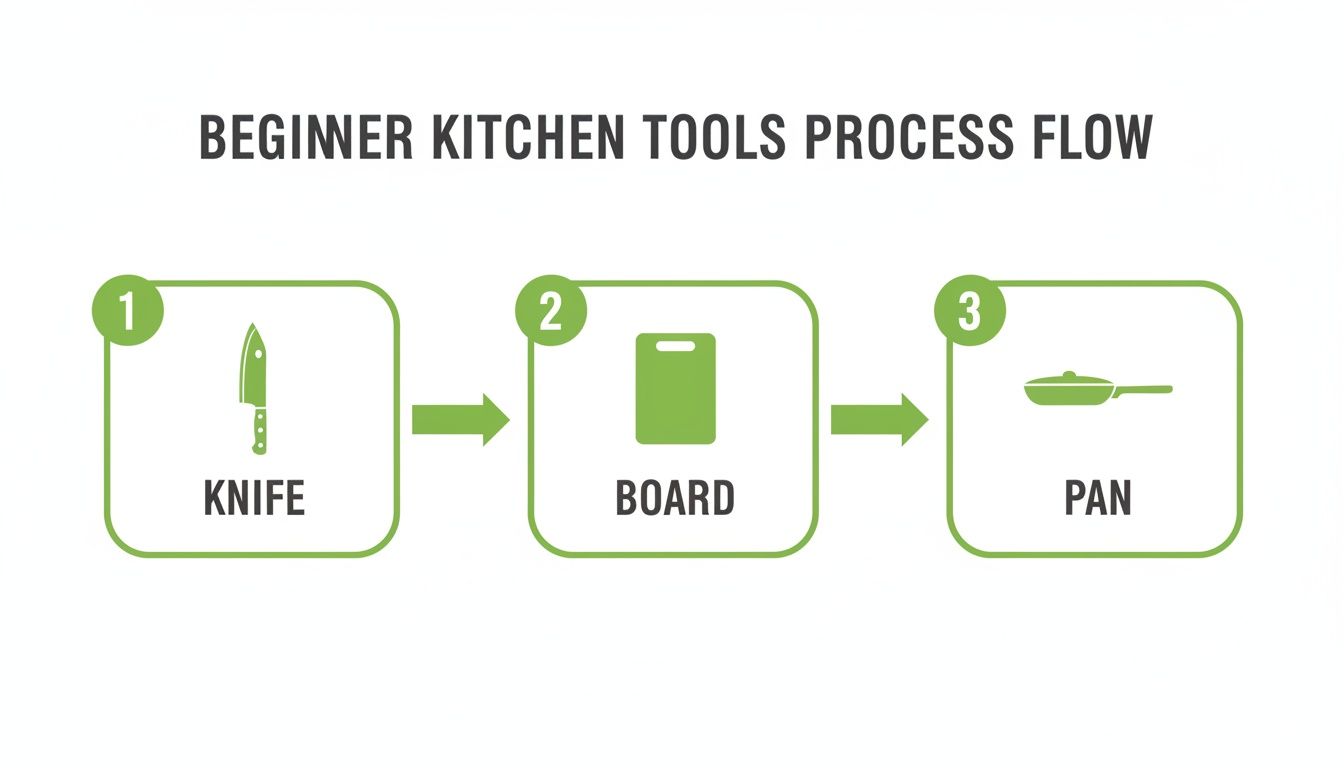
This is the natural workflow you'll find in any kitchen: use the knife on the board to get your ingredients ready, then move them to the pan to cook.
Building Flavor with Heat
Once everything is chopped and ready, it's time to cook. Two of the most useful and common techniques you’ll encounter are sautéing and roasting. They might sound a bit fancy, but the ideas behind them couldn't be simpler.
Sautéing is just a French word for cooking food quickly in a hot pan with a little bit of fat (like oil or butter). This is how you get that beautiful golden-brown color on onions, garlic, or pieces of chicken, which is where a ton of flavor comes from. The trick is to let your pan get hot before you add anything to it. If you want to learn more, our guide on what sauté means in cooking breaks it all down.
Roasting, on the other hand, uses the dry heat of your oven to do the cooking. It's a fantastic, mostly hands-off method that's perfect for making vegetables incredibly tender and sweet, or for cooking a whole chicken to juicy, golden-brown perfection. Just toss your ingredients with a drizzle of oil and some seasoning, spread them out on a pan, and let the oven handle the rest.
Simple Recipes That Actually Work
Okay, you’ve got the gear and you’ve practiced the basic moves. Now for the fun part—actually cooking something delicious. The whole point here is to get a few wins under your belt to build your confidence. These recipes are designed to be pretty much foolproof, and each one secretly teaches you a core kitchen skill.
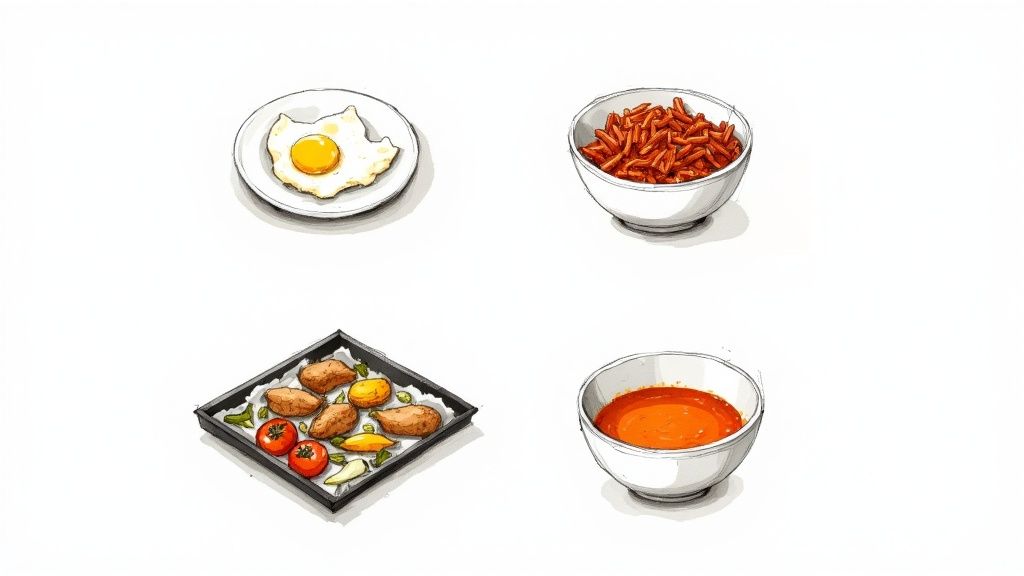
We're starting with dishes that are tough to mess up but taste like you’ve been at this for years. Just remember, every recipe is a roadmap, not a script. Once you get the hang of it, feel free to take a few creative detours.
Recipe 1: Perfect Scrambled Eggs
This isn't just about making breakfast. It's a masterclass in heat management. The line between dry, rubbery eggs and creamy, custardy ones is all about low and slow heat—a technique you’ll use again and again for things like delicate sauces.
- Why It Works: By cooking two eggs in a non-stick skillet with a pat of butter over low heat, you give the proteins time to set gently instead of seizing up. Keep stirring slowly with a spatula to break the curds into small, tender pieces.
- Make It Your Own: After you nail the basics, try folding in a handful of chopped chives, a sprinkle of cheddar, or some sautéed spinach right at the end.
Recipe 2: A Versatile Tomato Sauce
Every cook needs a back-pocket tomato sauce. This recipe teaches you the foundational skill of building flavor by sautéing aromatics. It’s the base for countless dishes and a true kitchen workhorse.
Start by gently sautéing some minced garlic in olive oil just until you can smell it—that’s how you know the oil is infused with flavor. Pour in a 28-ounce can of crushed tomatoes, add a good pinch of salt and maybe some dried oregano, and just let it simmer for 15-20 minutes. That's all it takes for the flavors to come together.
This sauce is your blank canvas. Toss it with pasta tonight, spread it on a pizza Friday, or use it to poach eggs for a shakshuka-style breakfast on the weekend. Learning one versatile recipe really does open up a dozen meal possibilities.
The demand for simple, reliable cooking solutions is exploding. The global market for ready-to-cook food products hit USD 2.73 billion in 2024 and is on the rise, showing just how many people want great results without spending years learning. You can discover more insights about the ready-to-cook food market to see how the industry is stepping up to help new cooks.
Recipe 3: Sheet-Pan Roasted Chicken and Vegetables
This is the ultimate low-effort, high-reward meal. It’s also a fantastic introduction to roasting and one-pan dinners, which will save you a mountain of cleanup on busy weeknights.
Here’s the game plan:
- Chop hearty vegetables like broccoli, carrots, and potatoes into roughly bite-sized pieces.
- Toss them onto a sheet pan with a good drizzle of olive oil, salt, and pepper.
- Nestle four chicken thighs right in there among the veggies.
- Roast everything at 400°F (200°C) for about 25-30 minutes. You'll know it's done when the chicken is cooked through and the veggies are tender and starting to caramelize.
The high, dry heat of the oven pulls out the natural sweetness in the vegetables and gets the chicken skin irresistibly crispy. It’s a perfect example of how simple, effective methods can produce amazing food.
Recipe 4: Hearty Lentil Soup
Finally, making a simple soup teaches you how to layer flavors and let time do most of the heavy lifting. Lentil soup is incredibly forgiving, packed with nutrients, and honestly, it tastes even better the next day.
It starts just like our tomato sauce: sautéing chopped onions, carrots, and celery (a classic combo called a mirepoix). This creates a deep, savory base. From there, you just add a cup of rinsed lentils, four cups of vegetable broth, and your favorite seasonings. Let it simmer gently for about 30 minutes.
This recipe is also the best way to clean out your fridge. Got half a bell pepper or some wilting kale? Chop it up and throw it in. Soup is the perfect place to experiment without any fear of failure.
Habits of a Stress-Free Home Cook
Great cooking isn’t just about nailing a complex recipe or having fancy knife skills. The real secret to making time in the kitchen enjoyable—and not a frantic chore—comes down to the habits you build before you even turn on the stove.
Believe it or not, organization is the unsung hero here. Adopting a few simple routines can transform a chaotic weeknight dinner rush into a smooth, almost meditative process. It's the difference between panicking because the garlic is burning while you're still looking for the paprika, and calmly moving from one step to the next.
Embrace "Mise en Place"
If you've ever watched a cooking show, you've seen mise en place (pronounced meez-on-plahs) in action. It's that neat row of little bowls with every ingredient chopped, measured, and ready to go. This French culinary term literally means "everything in its place," and it's a total game-changer for home cooks.
Before the heat goes on, just take a few minutes to get organized.
- First, read the recipe all the way through. No surprises.
- Next, chop all your vegetables, herbs, and proteins.
- Finally, measure out every spice, liquid, and seasoning.
This simple prep work eliminates that heart-pounding moment when you realize you're supposed to be mincing an onion while your oil is already smoking in the pan. It lets you focus on the actual cooking, which is the fun part!
Learn to Read a Recipe Like a Pro
Think of a recipe as a road map. But just like any map, you need to know how to read the symbols and directions. Pay close attention to the action words—"dice" vs. "mince," or "sauté" vs. "simmer." These verbs are specific instructions that completely change the outcome.
Also, trust your senses over the timer. A recipe might say "cook for 5 minutes," but phrases like "cook until golden brown" or "simmer until the sauce thickens" are your true guides. Every stove is different, so learning to look, smell, and listen is key.
Here's a classic beginner trap: measuring flour. If you just scoop a measuring cup into the bag, the flour gets packed down, and you can easily end up with 25% more than you need. This is why so many first-time bakers get dense, dry results. The right way? Fluff the flour with a spoon first, then lightly spoon it into your measuring cup and level it with a knife.
Plan Ahead to Save Time and Stress
The daily "what's for dinner?" panic is real. The single best habit to beat it is planning your meals, even just a little. You don't need a rigid, month-long calendar; just figuring out three or four meals for the week ahead makes a world of difference.
It ensures you have what you need on hand, which is crucial for healthy meal planning on a budget. You'll find you waste less food and are far less tempted by last-minute, expensive takeout.
This mindset also helps you cook smarter. Making rice tonight? Cook a double batch. The leftovers can become the base for fried rice or a grain bowl tomorrow. Roasting vegetables? Fill the whole sheet pan. These little time-savers are what make cooking a sustainable, enjoyable part of your life. If you'd like to dive deeper, we have a complete guide on how to plan weekly meals that breaks it all down.
Common Questions from New Cooks
Starting out in the kitchen always brings up a few questions. Everyone feels a bit unsure at first, and that’s perfectly normal. Let's walk through some of the most common hurdles new cooks face so you can step up to the stove with more confidence.
Decoding Recipes and Fixing Mistakes
One of the first things that trips people up is the language of recipes. What does it really mean to "mince" garlic versus "dicing" an onion? Or what's the difference between "folding" in egg whites and just stirring them?
Don't let the terminology scare you. Most of these are simple techniques you'll get the hang of with a little practice. For a great cheat sheet, check out our guide on how to read a recipe which breaks it all down.
Another big question I hear all the time is, "How do I know when it's done?" A recipe might say 15 minutes, but that's just a guideline. Your oven might run hotter, or your chicken breasts might be thicker than the ones the recipe developer used.
The real secret is learning to use your senses. Look for that perfect golden-brown color on roasted vegetables. Listen for the sizzle in the pan to quiet down. Get comfortable touching your food to check for firmness. And honestly, an instant-read thermometer is a new cook's best friend—it takes all the guesswork out of cooking meat to a safe temperature.
So, what do you do when something goes wrong? Don't panic! Every mistake is just a lesson in disguise. Here’s how to handle a couple of classic kitchen blunders.
- Oops, it's too salty! We've all been there. The fix depends on the dish. A squeeze of lemon juice or a dash of vinegar can work wonders to balance the saltiness. If you've over-salted a soup or stew, you can often save it by adding more liquid (like broth or water) or tossing in a peeled potato while it simmers to absorb some of the extra salt.
- I burned the garlic. It happens in a flash! Unfortunately, once garlic is burnt, its bitter flavor will overpower everything else. The only real solution is to toss it out and start that step over. Next time, add it to the pan later in the cooking process and always use a lower heat—it burns much faster than you think.
Remember, every experienced cook has a long history of kitchen fails. The trick isn't to never make mistakes, but to learn from them.
Ready to stop losing those amazing recipes you find online? Recipe One uses AI to instantly capture any recipe from a link, video, or image and save it to your personal, organized library. Get started today and build your collection the easy way at https://www.recipeone.app/.