Let’s be real—the best grocery list organizer is the one you’ll actually stick with. It doesn't matter if it's a fancy app, a printable template you found online, or just the back of an envelope. The whole point is to turn those chaotic, last-minute store runs into a smooth, efficient process that genuinely saves you time and money.
Why Your Shopping Routine Needs an Upgrade
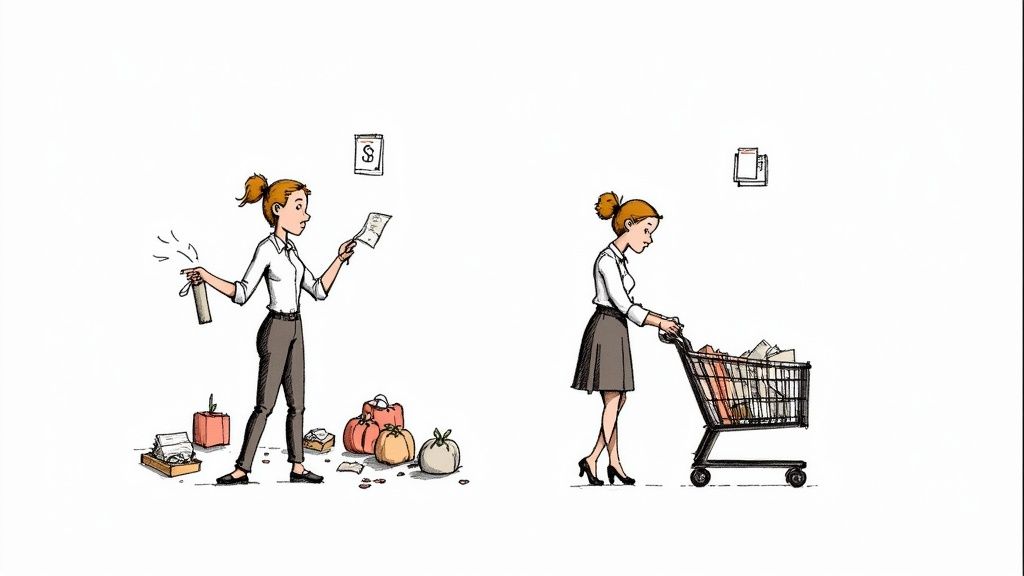
We've all been there. You're wandering the grocery store aisles without a plan, tossing things into the cart that look good, only to get home and realize you forgot the one thing you actually needed for dinner. That disorganized scramble is not just stressful; it's a recipe for overspending and wasting food.
A good grocery list organizer is the perfect fix for that all-too-common chaos. Think of it less as a simple to-do list and more as a system—one designed to bring a little bit of calm and control back to your shopping.
The Real Cost of Disorganization
When you shop without a clear plan, you’re an impulse buyer’s dream. You're also more likely to forget what you already have hiding in the back of your pantry, leading to duplicate purchases and food that spoils before you can use it. A solid system encourages a quick pantry check before you even leave the house, making sure you only buy what you truly need. If you need a hand getting your pantry in order first, our guide on how to organize your kitchen pantry has some great, practical tips.
Pantry inventory apps can hold a running record of what is already on the shelves.
This organized approach is becoming more important than ever. With an estimated 61% of U.S. households expected to buy groceries online by mid-2025, having a smart list is crucial whether you're clicking "add to cart" or pushing one down the aisle. If you're curious, you can dig into more stats on the rise of digital grocery shopping over at WaveGrocery.
Adopting a grocery list organizer isn't just about making a list. It's about building a sustainable habit that puts you back in control of your time, your budget, and your kitchen.
When you finally find a system that clicks, the benefits are immediate and obvious:
- You save a ton of time. No more aimless wandering or circling back for something you forgot in aisle three.
- You waste less food. Buying only what you need means you'll actually use it before it goes bad.
- Your budget will thank you. Sticking to a list is the single best way to kill impulse buys and keep your spending on track.
So, how do you find the right fit for your lifestyle? Let's break down the main options.
Choosing Your Organizer: App, Paper, or Template
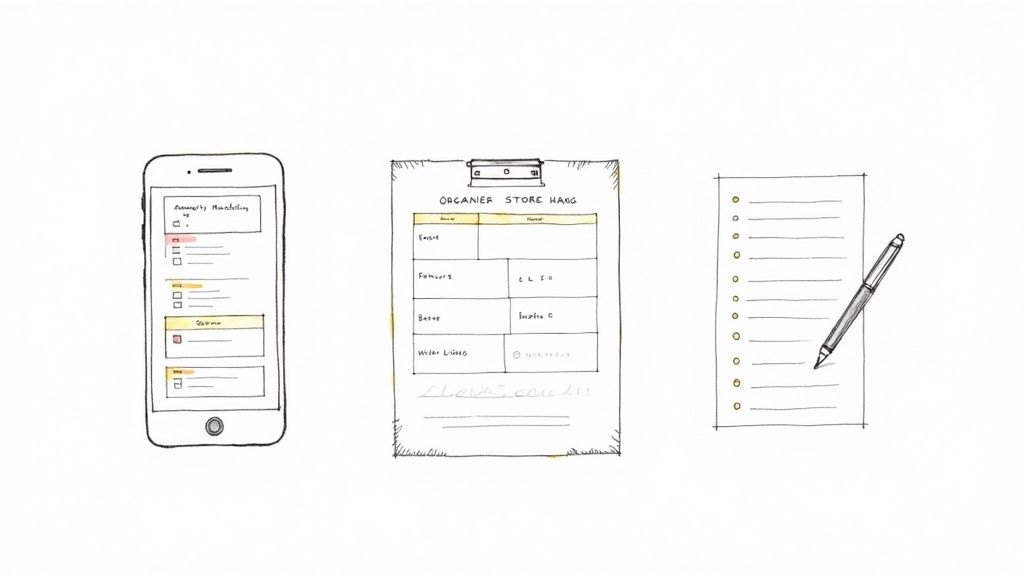
Finding the right grocery list organizer isn't about getting the fanciest tool—it's about finding one that actually fits your life. Whether you live on your phone, love the feel of pen and paper, or fall somewhere in between, there's a method that will work for you. Let's look at the three main ways to get your shopping organized.
Digital Apps: The Modern Solution
For a lot of us, a digital grocery list app is the most logical choice. These apps basically turn your phone into a smart shopping assistant with features that paper just can't compete with. The biggest win here is real-time sharing. See also the best grocery list app for iPhone.
Think about it: your partner is already on their way home, and you realize you're out of milk. With a shared list, you just add it from your phone, and it pops up on theirs instantly. No more frantic texts or forgotten items.
But the best apps go way beyond just sharing. They often include:
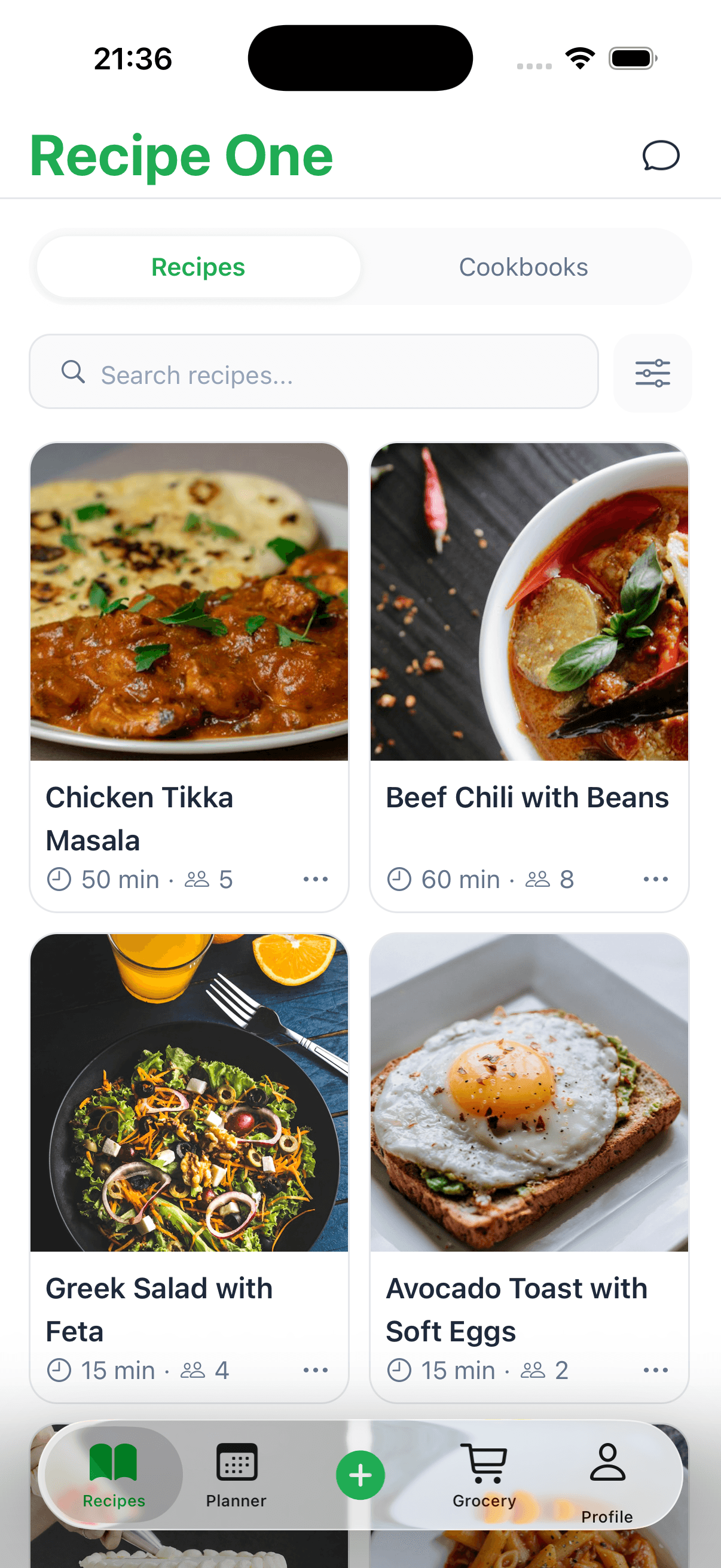
- Recipe Integration: Pull ingredients directly from a recipe you found online and add them to your list with a single click.
- Pantry Tracking: Some apps let you keep a virtual inventory of what's in your pantry, so you stop buying that third bottle of ketchup you don't need.
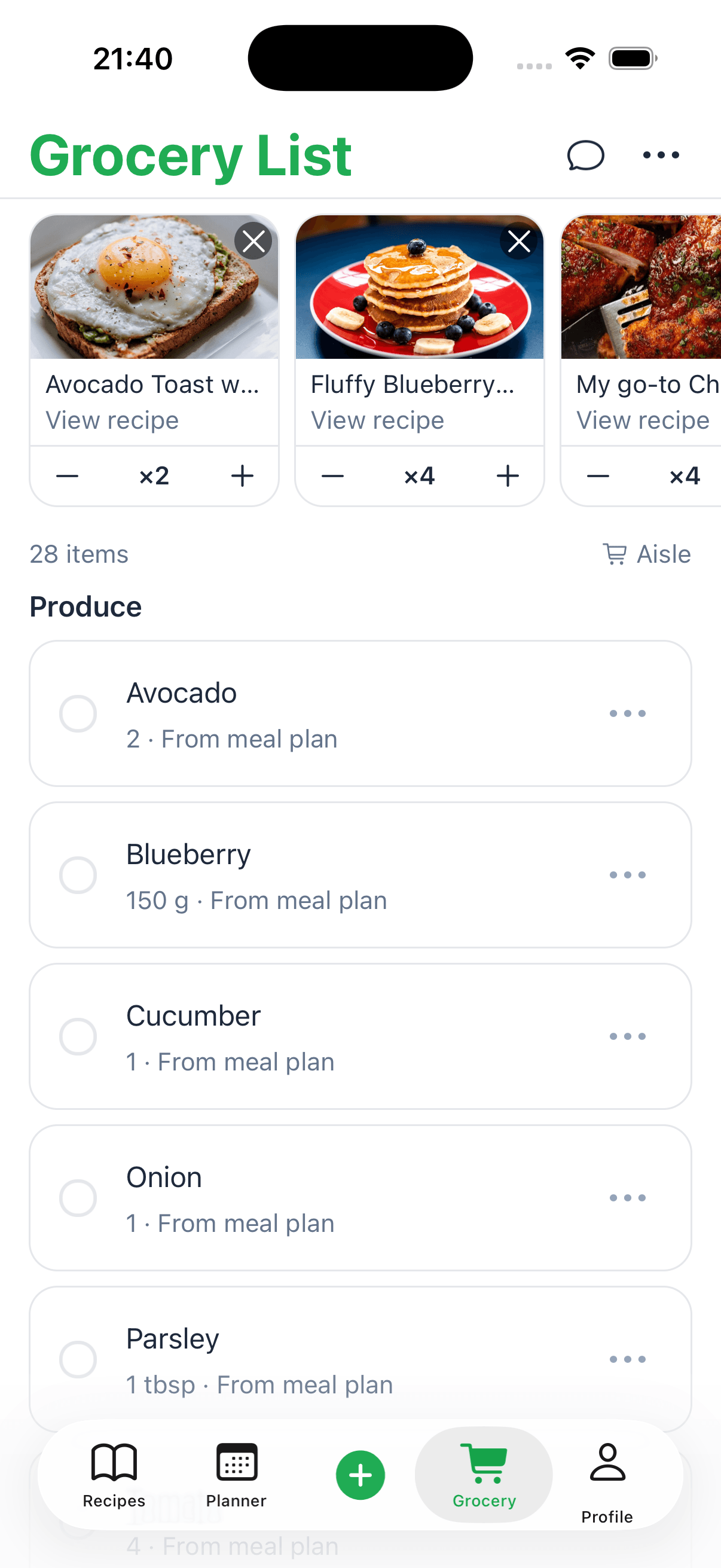
- Automatic Categorization: The app intelligently sorts your items by aisle (produce, dairy, etc.), giving you the most efficient route through the store.
Printable Templates: The Best of Both Worlds
Do you love the satisfaction of physically crossing something off a list but still crave a bit of structure? Printable templates are for you. A good template gives you a solid framework that you can still customize to how you shop.
You can find templates already organized by store section, which is a huge time-saver. Others are designed to sync up with your weekly meal planning. If you want to see how a structured layout can connect your meals to your list, check out this great meal prep planner template.
The real magic of a template is making it your own. You can edit the file to match the aisle layout of your local grocery store or even create sections for different stores if you do a split shop.
Classic Pen and Paper: The Simple Powerhouse
Never, ever underestimate the power of a simple notebook and pen. This method costs nothing, has zero learning curve, and is surprisingly effective when you give it a little thought. The trick is to create your own structure.
Instead of just jotting down a long, chaotic list, divide your paper into sections that match the store's layout. I usually create columns for:
- Produce & Bakery
- Meat & Deli
- Dairy & Eggs
- Aisles (for canned goods, pasta, snacks)
- Frozen Foods
- Household & Personal Care
This one small change turns a jumbled mess into a strategic roadmap for the store. You can move from one section to the next without backtracking, ticking things off as you go. It’s a timeless grocery list organizer that just plain works.
Building a Smarter Shopping List
Once you've settled on a format you like, it's time to build a system that actually works for you. A truly great grocery list does more than just remind you to buy milk; it guides you through the store efficiently, saving you from that frustrating backtracking for one forgotten item.
The best way I've found to do this is to organize your list based on the store's layout. Take a second and picture your go-to supermarket. The produce section is probably right up front, then you might hit the bakery and deli. Dairy and meat are often along the back wall, and the frozen aisles are usually near the end. Structuring your list to match that flow is a total game-changer.
Organize by Aisle, Not Alphabet
Forget one long, chaotic list. Instead, create categories that follow your path through the store. This one simple change stops you from trekking back to aisle three for olive oil when you're already in the dairy section. It sounds small, but the time and frustration it saves are huge.
A typical list organized by store layout might look something like this:
- Produce: Apples, spinach, onions, garlic
- Bakery & Deli: Sourdough bread, sliced turkey
- Meat & Seafood: Chicken breasts, ground beef
- Aisles (Center Store): Pasta, canned tomatoes, olive oil, snacks
- Dairy & Refrigerated: Milk, eggs, yogurt, cheese
- Frozen Foods: Frozen peas, ice cream
With this setup, your shopping trip becomes a smooth, logical mission. You just move from one end of the store to the other, checking things off as you go. No more zig-zagging.
Group Ingredients by Meal
Here’s another powerful trick: group items by the meal you plan to cook. This is incredibly helpful when you're still at home planning, because it makes it almost impossible to forget that one critical ingredient for a recipe.
A meal-based approach connects your pantry directly to your dinner table. You stop buying individual ingredients and start shopping for complete, stress-free meals.
Let's say you're planning a taco night. That section of your list would look like a self-contained kit:
Taco Night:
- Ground Beef
- Taco Seasoning
- Shredded Lettuce
- Tomatoes
- Sour Cream
- Cheddar Cheese
- Tortilla Shells
The real magic happens when you combine these two methods. First, plan your meals and list all the ingredients you need for each one. Then, simply re-sort that master list by store aisle. This two-step process guarantees you get everything you need in the most efficient way possible.
For many people, the key to staying consistent is being able to seamlessly get a recipe's ingredients onto their shopping list. If that sounds like you, check out our guide on how to automatically turn a recipe into a shopping list. By building a system that reflects both your menu and the store, you can turn a dreaded chore into a quick, organized, and totally painless task.
Connecting Your List with Your Meal Plan
A truly effective grocery list is more than just a running tally of things you need; it's the critical link between your meal plan and your shopping cart. When you get this connection right, the whole process becomes smoother, cheaper, and a lot less chaotic.
It all starts in your own kitchen. Before you even think about recipes, take a quick scan of your pantry, fridge, and freezer. This simple five-minute check is the secret weapon against waste. It stops you from accidentally buying a third bottle of soy sauce or another bag of onions when you’re already stocked. Honestly, it’s the most important first step to shopping smarter.
This simple workflow is the key to saving both time and money.
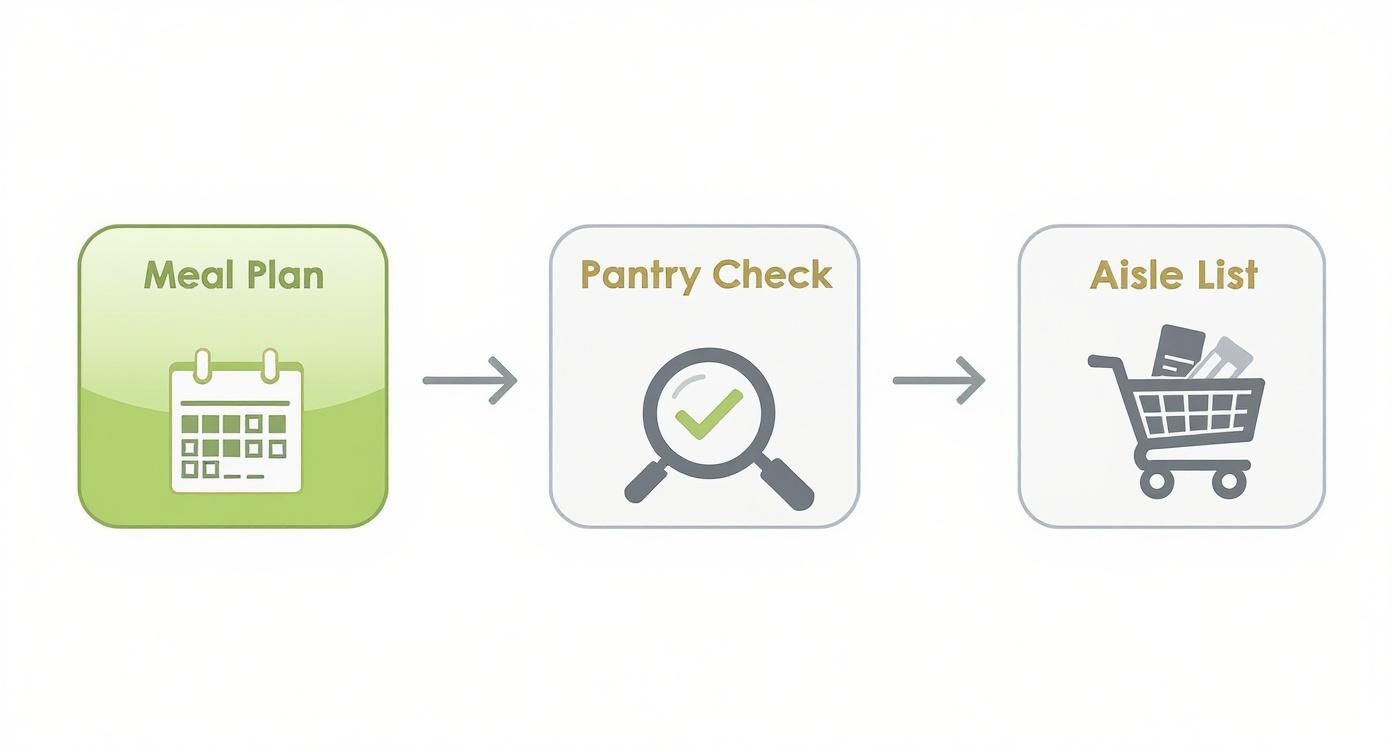
As you can see, the pantry check is what holds the whole system together, making sure you only buy what you actually need.
From Recipe to Reality
Once you know what you have on hand, the fun part begins: planning your meals. A solid meal plan works directly with your grocery list, clearly spelling out what you need for each dish. If you're looking for new ideas, you can explore a variety of recipes online to get inspired for the week ahead.
Let's say you decide on a Chicken and Broccoli Stir-fry. You'd jot down:
- Chicken breasts
- Broccoli florets
- Soy sauce
- Ginger
- Garlic
But after checking your pantry, you realize you already have soy sauce and garlic. Just like that, your list is shorter and your grocery bill shrinks. If you want to get really good at this part of the process, our guide on how to plan weekly meals breaks it all down.
Automating Your Grocery List
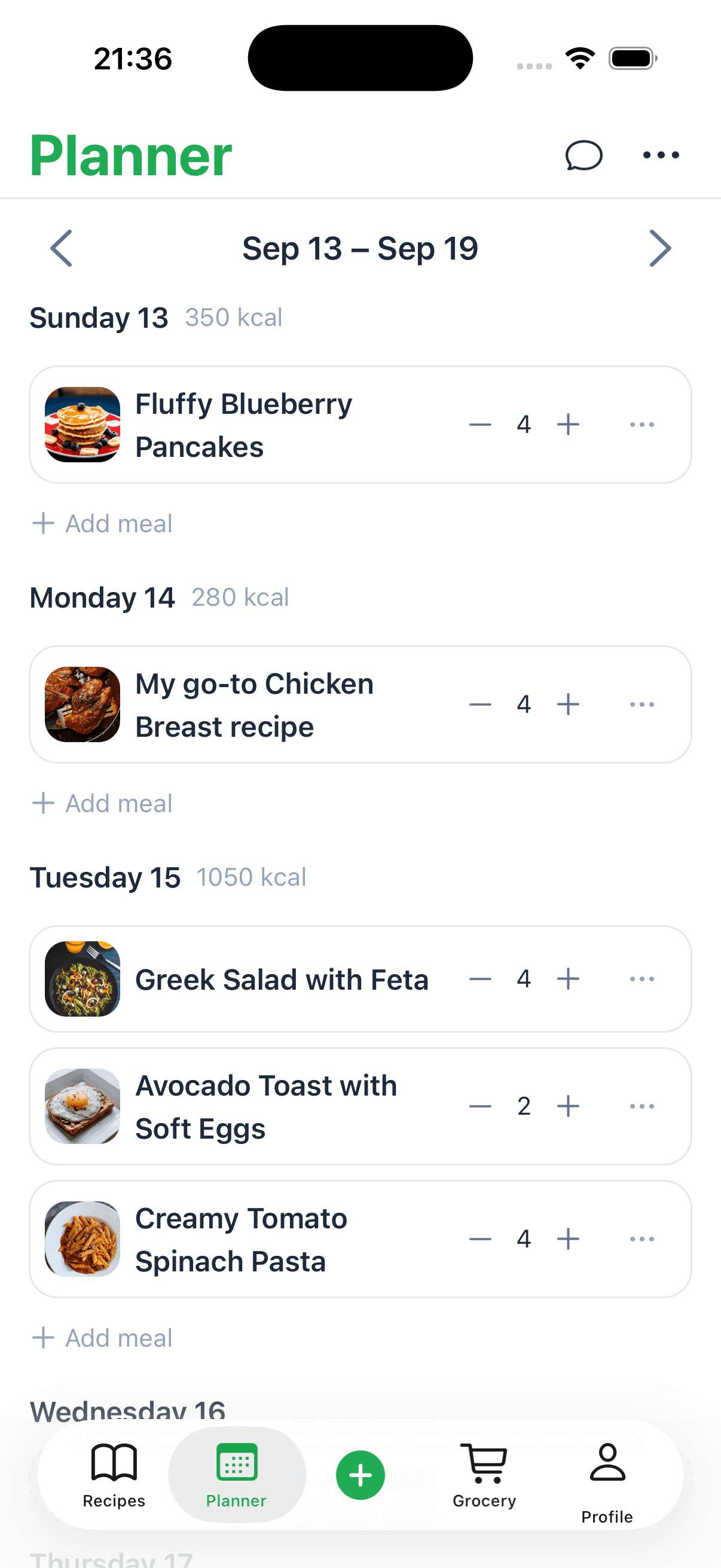
This is where technology really shines. Many grocery list apps can pull ingredients directly from a recipe you've saved, building your shopping list for you. With just one tap, every item you need is automatically added.
The best grocery list organizers take the manual work out of the equation. They turn your meal plan into a perfectly categorized list, ready for the store. No more forgotten items or last-minute panic.
This kind of digital helper is only getting smarter. Some apps are even using AI to predict what you might need based on your past shopping trips—a trend that could unlock $136 billion in value for the grocery industry by 2030.
By tying your meal ideas directly to your shopping list, whether you do it with a pen and paper or a smart app, you create a system that just works. You'll buy only what you need, use up what you already have, and finally put an end to that daily "what's for dinner?" scramble.
Pro Tips for Mastering Your Grocery Budget
Once you have a solid system, your grocery list organizer becomes more than just a list—it's your secret weapon for taming your household budget. Let's get into a few strategies that separate the casual shoppers from the pros, helping you sidestep those sneaky supermarket traps designed to make you overspend.
Thinking this far ahead is more common than you'd guess. A 2024 survey of U.S. shoppers revealed that 21% always use a shopping list, and another 35% usually do. That means more than half of us are walking into the store with a plan.
Create a Master Staples List
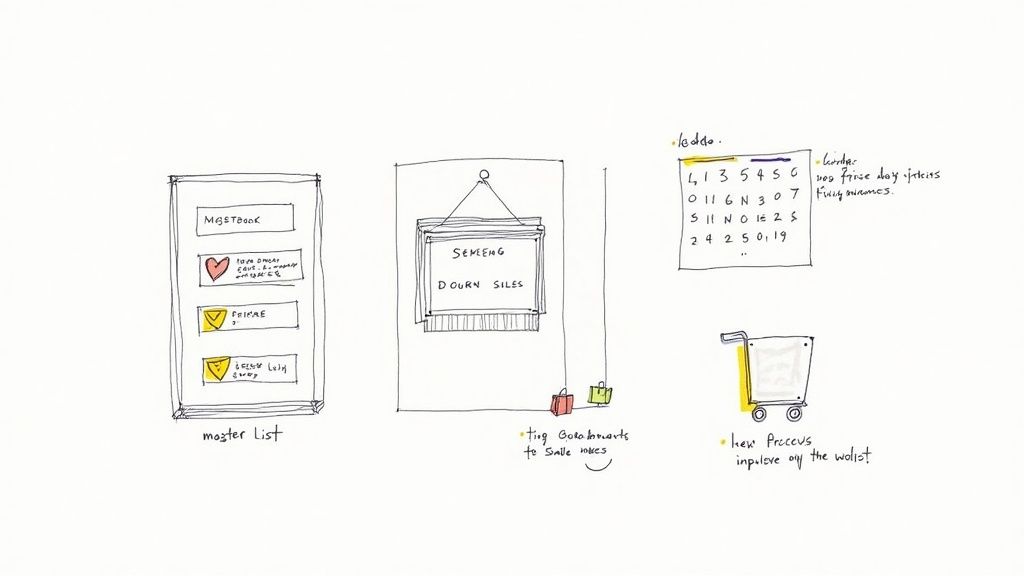
One of the most effective habits you can build is creating a master list. This isn't your weekly shopping list. Think of it as a permanent inventory of all the essentials your household runs on—things like olive oil, eggs, bread, your go-to snacks, and other pantry staples.
Each week, instead of starting from scratch, you just glance at your master list and see what's getting low. This little trick can take your weekly planning from an hour-long chore down to just a few minutes.
Your master list is your household's unique grocery blueprint. It eliminates the mental load of remembering every single staple, making your weekly shop faster and more accurate.
Keep a Simple Price Book
A price book sounds complicated, but it's really just a simple log where you jot down the prices of items you buy most often at different stores. You don’t need a fancy spreadsheet—a small notebook or even a note in your phone works just fine.
For example, you might notice that a gallon of organic milk is consistently cheaper at Store A, but your favorite coffee brand always seems to be on sale at Store B. Over time, this little log gives you the power to snag the best deal every time without having to rely on memory.
Strategic Pantry Stocking
A well-organized list gives you the confidence to stock up on non-perishable staples when they go on sale. When you spot a killer deal on canned tomatoes, pasta, or paper towels—items you know you'll eventually use—you can buy them in bulk.
This is where your price book and master list work together beautifully. You’ll recognize a genuinely good deal when it pops up and can stock your pantry, locking in those savings for months. For more on this, you can learn about tracking pantry items and coupons to really stretch your budget.
This approach is also great for making sure you use what you already have. We have a whole guide on how to https://www.recipeone.app/blog/find-recipe-by-ingredients-on-hand if you need some inspiration.
Got Questions? We’ve Got Answers
Whenever you start a new system, a few questions are bound to pop up. It’s totally normal. Whether you’re wondering which tool is right for you or just how to make this new habit stick, a little clarity goes a long way. Here are some of the most common things people ask about getting their grocery lists in order.
What's the Absolute Best App for Grocery Lists?
Honestly, the "best" app is the one that actually fits into your life. There’s no single right answer, just what’s right for you.
If you're juggling a family schedule, an app like Cozi with its real-time sharing can be a game-changer. Someone adds milk from their phone at home, and it pops up on your list while you’re standing in the dairy aisle. It’s almost like magic.
For a deeper comparison, see this grocery list app guide, or paste a recipe into the grocery list generator to try aisle grouping immediately.
For all the recipe hoarders out there (you know who you are!), something like Paprika is brilliant. It pulls ingredients straight from a recipe you've saved and drops them into a shopping list. But hey, if you just want something simple that works, don't overlook your phone's built-in notes app. A little organization by aisle, and it can be a surprisingly powerful tool.
How Exactly Does a List Organizer Save Me Money?
Think of your organized list as your secret weapon for a healthier budget. It works in three major ways. First, it's your number one defense against impulse buys. Grocery stores are literally designed to get you to buy things you don't need. A focused list is like putting on blinders to all those temptations.
Second, it slashes food waste. When you plan meals and check your pantry before you shop, every single item you put in your cart has a destination. Less food in the trash bin means more money in your wallet.
And finally, it helps you shop smarter. With a clear plan, you can confidently jump on sales for things you actually need, stock up on pantry staples when they’re cheap, and ignore the "deals" that would just end up collecting dust.
A well-planned grocery list acts as a financial filter. It makes sure your money goes toward meals you'll actually cook and eat, not just random items that catch your eye.
How Can I Get My Family to Actually Use a Shared List?
Getting your partner, kids, or roommates on board boils down to one simple thing: make it ridiculously easy for them.
Pick a digital app with dead-simple sharing features. The goal is for anyone to be able to add an item the second they realize it's needed, without any friction.
The best way to sell it is to frame it as a win for them. It’s how they can guarantee their favorite ice cream or that one special brand of coffee makes it into the cart. Then, just lead by example. Once they see how much smoother shopping trips are (and that their requests aren't getting lost), the habit will start to stick.
Should I Organize My List by Aisle or by Recipe?
This is a great question, and the real pro-move is to do both! It sounds like more work, but it’s a two-step dance that makes everything flow better.
Here’s the workflow I swear by:
- Plan by Recipe (At Home): While you’re figuring out your meals for the week, group ingredients together by what you plan to make. This is how you make sure the sour cream for taco night and the fresh basil for your pasta sauce don’t get forgotten.
- Shop by Aisle (At the Store): Before you walk out the door, quickly reorganize that master list into categories that match the store's layout: Produce, Dairy, Canned Goods, etc.
This combo gives you the best of both worlds. You get the big-picture clarity of planning by meal and the focused efficiency of shopping by aisle. A lot of modern grocery apps can even do the second step for you, automatically sorting your recipe ingredients into store categories with one tap.
Ready to take the chaos out of cooking? Recipe One is your personal AI-powered recipe keeper that turns scattered cooking inspiration into an organized, searchable library. Capture any recipe from social media, videos, or text with a single click and let our tool create a perfectly structured list of ingredients and steps for you. Start building your forever recipe collection today with Recipe One!