In the age of endless culinary inspiration, from viral social media videos to cherished family recipe cards, simply collecting recipes isn't enough. The real magic happens when you organize them effectively. A well-structured digital recipe library transforms a chaotic collection into a powerful, personalized tool that saves you time, reduces food waste, and inspires you to cook more often. But where do you start? The key lies in creating meaningful recipe book categories that reflect how you actually cook and live.
A generic "Desserts" folder quickly becomes a jumble of weeknight cookies, ambitious holiday cakes, and gluten-free options. Without a clear system, finding the right recipe at the right time feels impossible. This is where strategic categorization makes a tangible difference, turning your recipe collection from a digital junk drawer into a reliable kitchen assistant. The goal is to build a system that anticipates your needs, whether you're a busy parent planning weeknight meals, a student learning to cook on a budget, or a health-conscious planner tracking specific dietary goals.
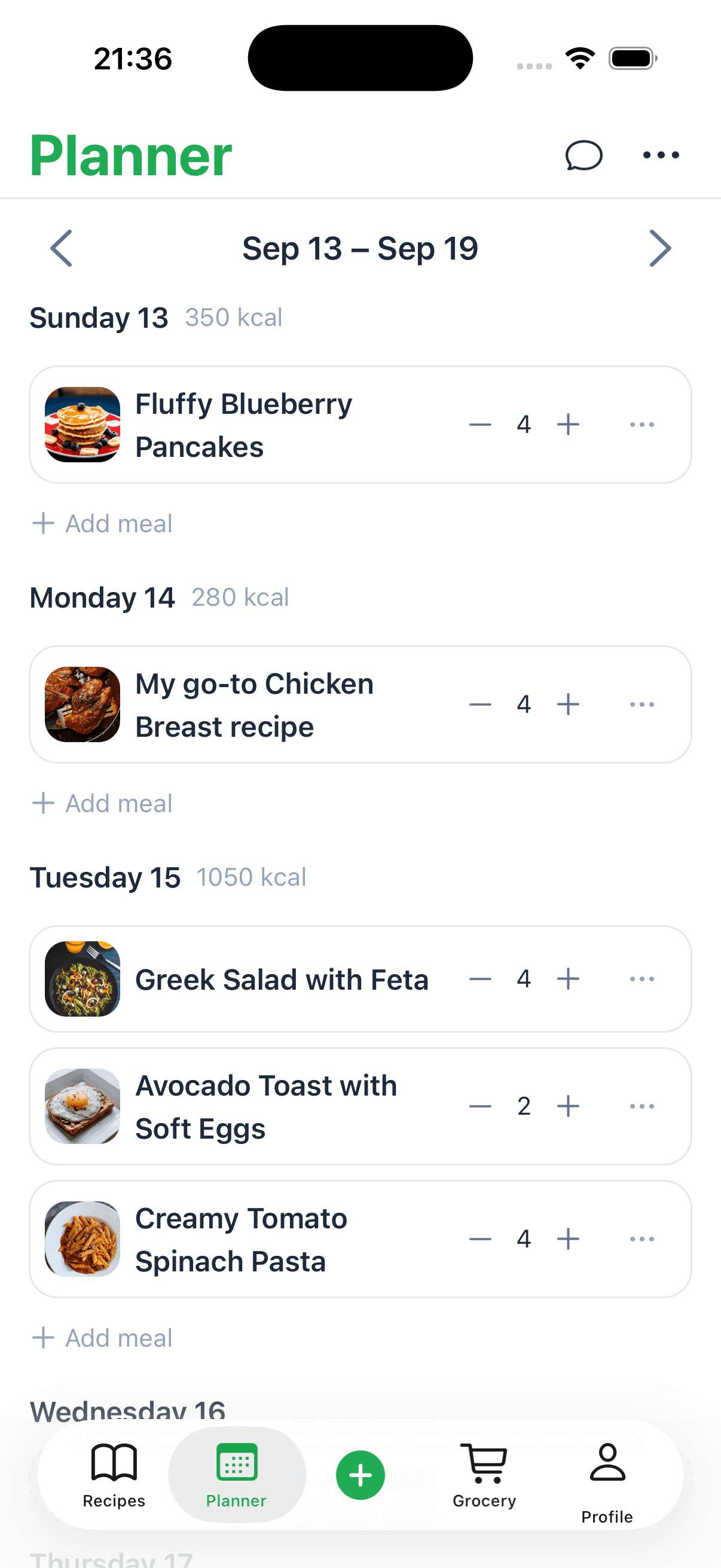
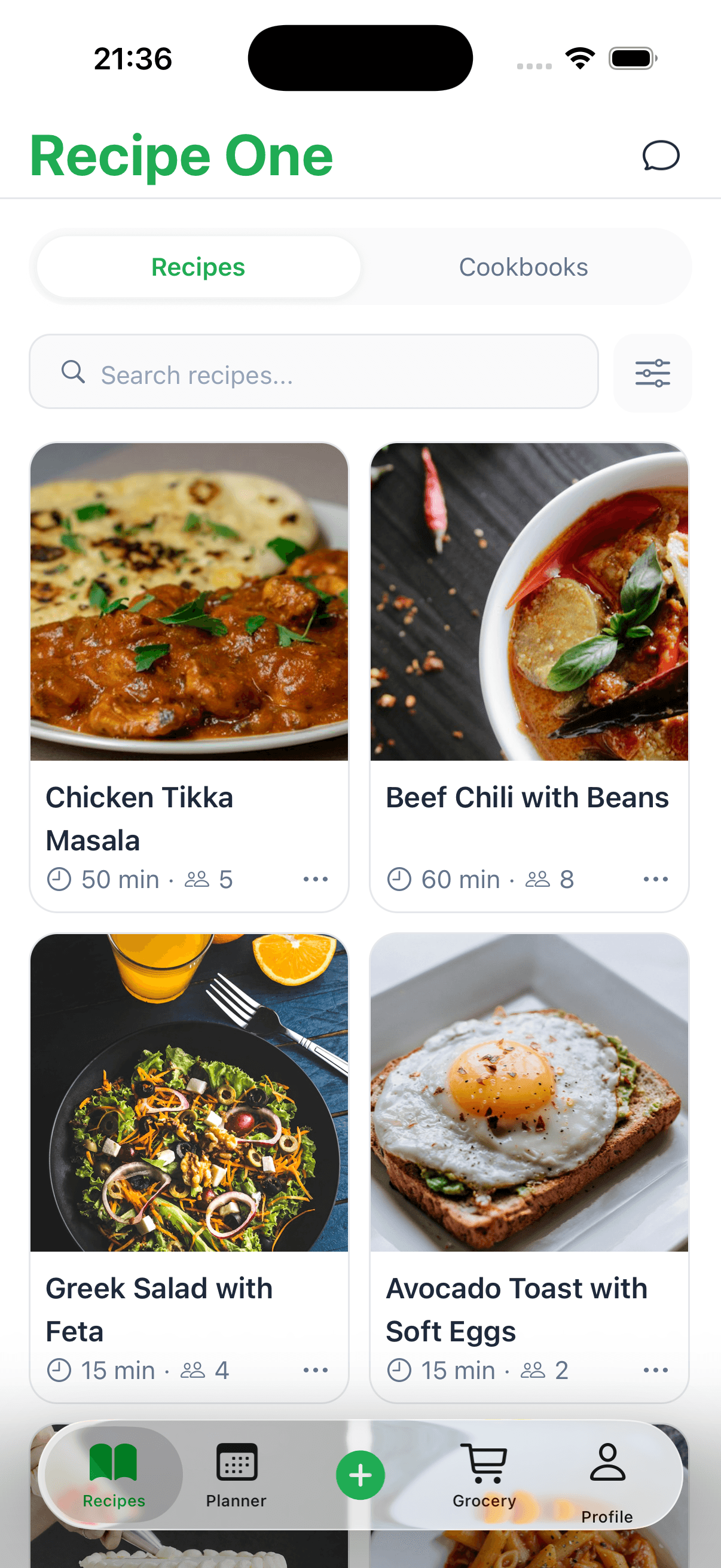
This guide will explore 10 essential categories that provide a blueprint for building a smarter, more intuitive digital cookbook. We will move beyond basic folders and demonstrate how to create a system that works for you. You will learn practical tips for implementing these categories using tools like Recipe One to automatically capture, file, and find exactly what you need, right when you need it. This organized approach ensures your next great meal is just a quick search away, not buried in a mess of unfiled links and screenshots.
1. Dietary Restriction & Specialty Diet Cookbooks
Organizing recipes by dietary needs is one of the most practical and essential recipe book categories. This approach groups recipes based on specific health requirements or lifestyle choices, such as gluten-free, vegan, keto, paleo, or allergen-specific (like nut-free or dairy-free). This method ensures that cooking remains safe, enjoyable, and aligned with your wellness goals, taking the guesswork out of meal planning.
For those managing health conditions or simply adopting a new way of eating, having a dedicated section for compliant recipes is non-negotiable. It prevents accidental cross-contamination and makes finding a suitable meal quick and stress-free. Understanding fundamental dietary approaches, such as what a plant based diet is, is crucial for curating a relevant collection of specialty cookbooks. Cookbooks like Angela Liddon's The Oh She Glows Cookbook (vegan) or Mark Sisson's The Keto Reset Diet exemplify how to create delicious food within specific nutritional guardrails.
How to Implement This Category
Creating a robust dietary collection is straightforward with the right organization.
- Tagging Convention: Use clear, specific tags. For example, a recipe that is both vegan and gluten-free should have the tags
#veganand#gluten-free. Avoid vague tags like#healthy. - Folder Structure: Create top-level folders for each major dietary need (e.g., "Gluten-Free," "Vegan," "Keto"). Within these, you can create subfolders for meal types like "GF Dinners" or "Vegan Desserts."
- Actionable Tip: When you first capture a recipe, immediately add its dietary tags. Use Recipe One's search function to filter by these tags later, instantly pulling up all your gluten-free options when you need them. For example, you can search for "chicken #gluten-free #dairy-free" to find a specific meal.
Pro-Tip: Focus on building a "base pantry" of compliant ingredients. When you find a great recipe, use the shopping list feature to note specialty flours, sweeteners, or oils you need. This makes future cooking sessions much smoother. For more ideas on allergy-friendly meals, explore these gluten-free and nut-free snacks.
2. Ethnic & International Cuisine Cookbooks
Organizing recipes by ethnic and international cuisine is an adventurous way to explore global flavors from your own kitchen. This category groups recipes by their country or region of origin, such as Italian, Thai, Mexican, or Middle Eastern. This approach allows you to dive deep into a specific culture’s culinary traditions, learning its unique ingredients, techniques, and flavor profiles. It's perfect for the home cook looking to expand their palate and recreate authentic dishes from around the world.
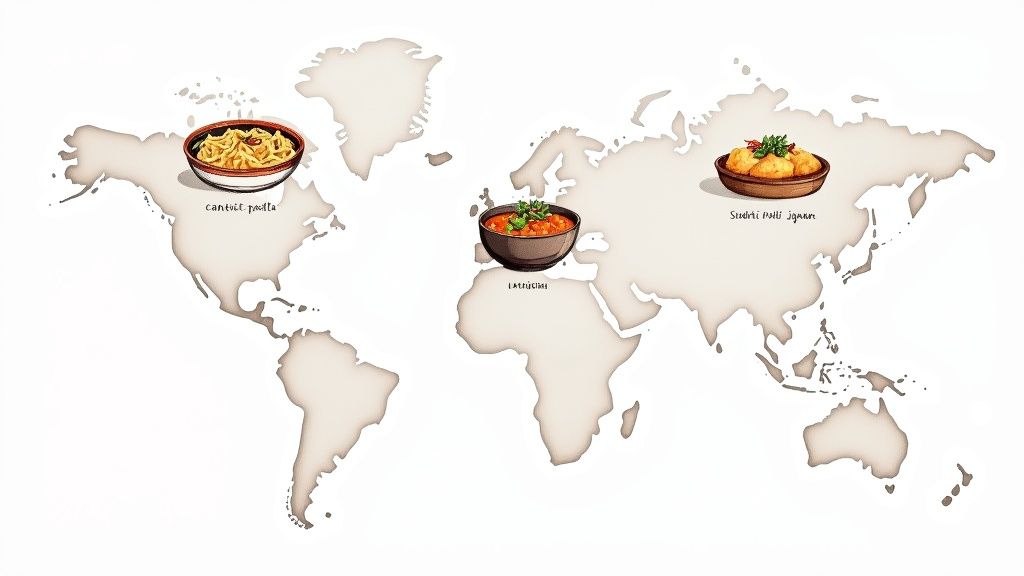
For anyone who loves to travel or experience new cultures through food, this is one of the most exciting recipe book categories. It transforms cooking from a daily chore into a journey of discovery. Cookbooks like Julia Child’s Mastering the Art of French Cooking or Yotam Ottolenghi's Jerusalem demonstrate how a single book can transport you to another place, offering a masterclass in its distinct culinary arts. This method is all about celebrating the rich diversity of global food traditions.
How to Implement This Category
Building a collection of international recipes is a rewarding project that benefits from clear organization.
- Tagging Convention: Use specific tags for both the country and region. A pasta dish from Sicily could be tagged
#italianand#sicilian. This allows for both broad and narrow searches. - Folder Structure: Create top-level folders for each cuisine (e.g., "Mexican," "Japanese," "Indian"). You can then create subfolders for meal types like "Indian Curries" or "Mexican Tacos."
- Actionable Tip: When you save a recipe, immediately tag it with its cuisine of origin. Use Recipe One's search function to plan themed dinners. For instance, searching for "vegetarian #thai" will instantly bring up all your Thai vegetarian dishes, making it easy to plan an authentic-feeling meal.
Pro-Tip: For each cuisine you explore, create a dedicated shopping list in Recipe One for its pantry staples (e.g., fish sauce and galangal for Thai, or za'atar and tahini for Middle Eastern). This makes sourcing ingredients from specialty markets more efficient and ensures you're always ready to try a new dish from that region.
3. Quick & Easy/Time-Saving Cookbooks
For home cooks who are short on time but still want a delicious, home-cooked meal, organizing recipes by prep and cook time is a game-changer. This category focuses on meals that can be made in 30 minutes or less, often using minimal ingredients and straightforward techniques. It’s the ultimate solution for busy weeknights, last-minute dinners, and anyone who feels overwhelmed by complex, multi-step recipes, proving that convenience doesn't have to mean sacrificing flavor or nutrition.
This approach is perfect for busy professionals, parents, and students who need efficient meal solutions. By creating a dedicated space for your fastest recipes, you eliminate the stress of searching for something doable when you're already hungry and tired. This is one of the most practical recipe book categories for everyday cooking. Cookbooks like Rachael Ray's 30-Minute Meals and Jamie Oliver's 15-Minute Meals have popularized this time-saving philosophy, showing millions how to get dinner on the table quickly without resorting to takeout.
How to Implement This Category
Building a collection of fast recipes is all about clear organization and smart prep.
- Tagging Convention: Use specific time-based tags like
#under30min,#15minmeal, or#onepan. Also, tag for simplicity, such as#5ingredientsor#no-cook. - Folder Structure: Create a primary folder named "Quick Meals." Inside, create subfolders for different meal types like "Weeknight Dinners," "Quick Lunches," and "Fast Snacks" to make finding the right recipe even faster.
- Actionable Tip: When you save a new recipe, immediately tag it with its estimated total time. Use Recipe One's search feature to combine tags for hyper-specific results, such as searching for "pasta #under30min #vegetarian" to quickly find a meat-free meal you can make tonight.
Pro-Tip: Your "quick" recipes are only as fast as your prep work. Dedicate an hour on Sunday to pre-chop common vegetables like onions, bell peppers, and carrots. Store them in airtight containers in the fridge to drastically cut down on your cooking time during the week.
4. Baking & Pastry Cookbooks
Baking and pastry are often considered a science as much as an art, making them a unique and essential entry in our list of recipe book categories. Unlike savory cooking, which allows for more improvisation, baking relies on precise measurements and chemical reactions. This category groups recipes for bread, cakes, cookies, and pastries, where technique and ingredient ratios are paramount for success.

For bakers, a dedicated section is critical for maintaining the integrity of these specialized recipes. It ensures that critical details about ingredient temperatures, mixing times, and rising periods are kept separate from more forgiving savory dishes. Cookbooks like Ken Forkish's Flour Water Salt Yeast and Dorie Greenspan's Baking: From My Home to Yours showcase this dedication to precision, helping home cooks achieve professional-quality results by respecting the scientific principles of baking.
How to Implement This Category
Organizing your baking recipes ensures consistency and helps you perfect your techniques over time.
- Tagging Convention: Use specific tags to differentiate baking sub-types. For example, a sourdough recipe could be tagged
#breadand#sourdough, while a cheesecake could be#dessertand#cake. - Folder Structure: Create a primary "Baking & Pastry" folder. Inside, build subfolders for "Breads," "Cakes," "Cookies," and "Pastries" to streamline your collection and make finding the right recipe effortless.
- Actionable Tip: Use the notes feature in Recipe One to document your results each time you bake a recipe. Note things like oven hot spots, humidity levels, or brand of flour used. This creates a valuable log that helps you refine the recipe for your specific kitchen environment.
Pro-Tip: Precision is non-negotiable in baking. Invest in a kitchen scale to measure ingredients by weight, not volume, for far more accurate and repeatable results. When a recipe calls for an ingredient you don't have, like buttermilk, understanding the right substitutes is key. For reliable options, check out these baking substitutes for buttermilk.
5. Meal Planning & Batch Cooking Cookbooks
Organizing recipes around efficiency is a game-changer for busy households, making meal planning and batch cooking one of the most strategic recipe book categories. This approach focuses on preparing ingredients or full meals in advance, saving time and reducing stress during the week. It groups recipes that are freezer-friendly, reheat well, or use shared components to maximize your cooking efforts. This method ensures you have delicious, home-cooked meals ready to go, even on your busiest days.
For anyone looking to streamline their kitchen routine, a dedicated collection of make-ahead recipes is essential. It simplifies grocery shopping, minimizes food waste, and removes the daily "what's for dinner?" dilemma. Cookbooks like The Complete Make-Ahead Cookbook by America's Test Kitchen or Suzanne Mullan's Batch Lady series are excellent examples of how to build a system for cooking in bulk. Discover more strategies for planning your weekly menu with these insights on the best meal prep planners.
How to Implement This Category
Building a collection for meal prep is about thinking ahead and staying organized.
- Tagging Convention: Use functional tags that describe the recipe's role in your plan. Good examples include
#batch-cook,#freezer-friendly,#make-ahead-lunch, or#meal-prep-component. - Folder Structure: Organize folders by week or by purpose. You could have a "Weekly Meal Prep" folder that you clear out each Sunday, or create permanent folders like "Freezer Meals," "Big Batch Soups," and "Prepped Veggies."
- Actionable Tip: As you save recipes, tag them immediately based on their prep potential. When planning your week, you can search for "chicken #batch-cook #freezer-friendly" to find meals you can make on Sunday and eat throughout the week.
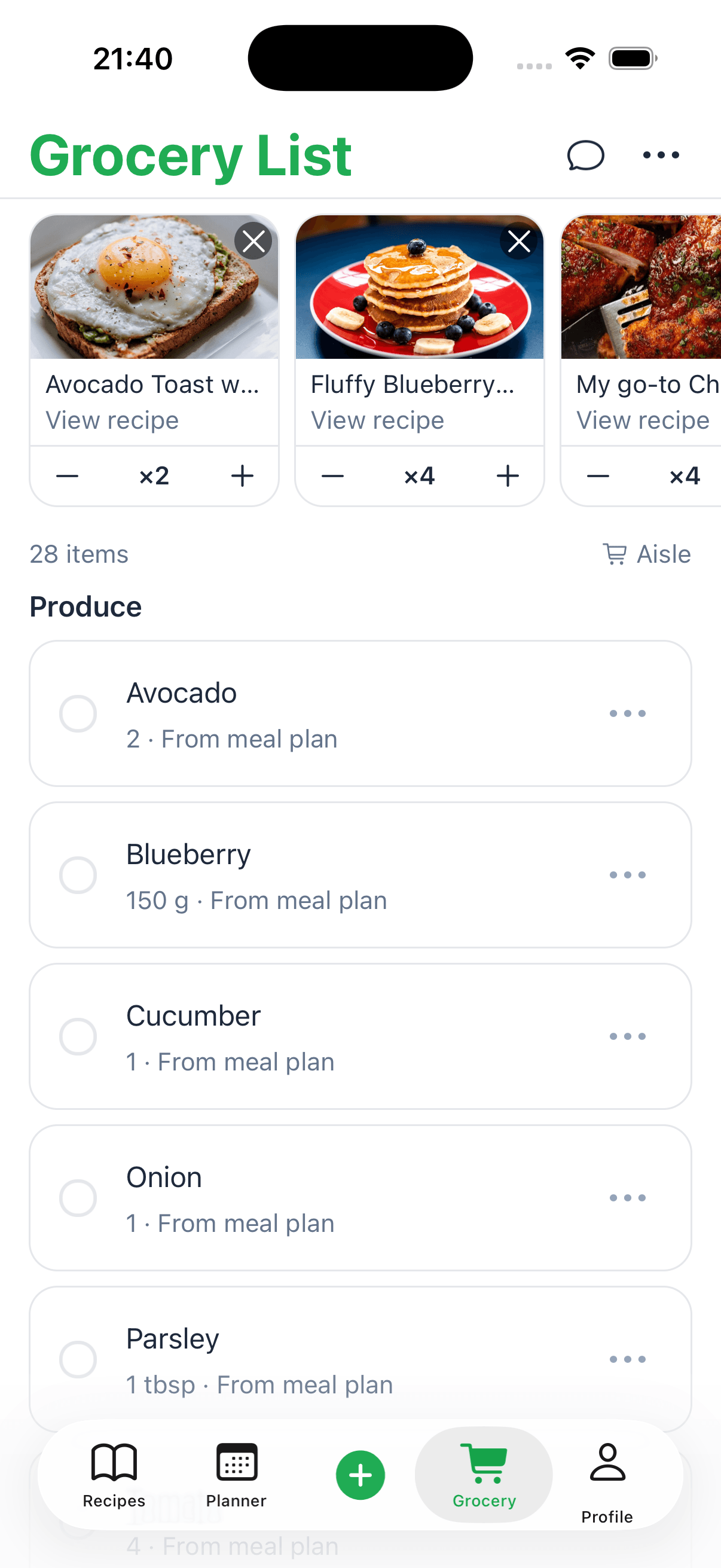
Pro-Tip: Plan meals that use overlapping ingredients. If you're batch-cooking shredded chicken, find recipes that use it for tacos, salads, and soups. Use the shopping list feature to consolidate your ingredient needs for the entire week's prep session.
6. Health & Wellness Cookbooks
Moving beyond general dietary labels, Health & Wellness cookbooks focus on cooking for specific health outcomes and conditions. This category includes recipes designed for goals like anti-inflammation, heart health, diabetes management, or boosting the immune system. It’s about leveraging food as a tool for well-being, often grounded in nutritional science and featuring whole, unprocessed ingredients.
This approach is invaluable for individuals managing a health condition or proactively seeking to improve their vitality through nutrition. Unlike broad diet categories, these recipes are often highly specific, targeting particular nutrients or food properties. Cookbooks like The Anti-Inflammation Cookbook by Jessica K. Jackson or Eat to Beat Disease by William W. Li are excellent examples of this targeted approach, showing how specific foods can support the body's natural defense and healing systems.
How to Implement This Category
Organizing for wellness requires precision and a focus on long-term goals.
- Tagging Convention: Use tags that specify the health benefit or condition. Examples include
#heart-health,#anti-inflammatory,#low-glycemic,#gut-friendly, or#immune-support. - Folder Structure: Create folders named after your primary health goals (e.g., "Anti-Inflammatory Meals," "Blood Sugar Control"). Within these, you can organize by meal type, such as "Heart-Healthy Breakfasts" or "Gut-Friendly Dinners."
- Actionable Tip: When you add a recipe, note the specific health benefits in the description field. Use Recipe One’s search to find meals that meet multiple criteria, for instance, by searching "salmon #anti-inflammatory #omega-3" to find a dish that supports your wellness goals.
Pro-Tip: Always consult with a healthcare provider before making significant dietary changes for health reasons. Use your recipe collection to track how different foods make you feel, noting your energy levels or symptoms. For those balancing specific health goals, exploring options like a low-carb vegetarian diet meal plan can provide new and delicious ideas.
7. Budget & Economy Cookbooks
Organizing recipes based on affordability is a smart and increasingly popular recipe book category. This approach gathers recipes designed to minimize food costs, stretch ingredients, and reduce waste without sacrificing flavor or nutrition. It focuses on using seasonal produce, pantry staples, and clever cooking techniques to create satisfying meals that are easy on your wallet. This method is perfect for students, large families, or anyone looking to manage their grocery spending more effectively.
For home cooks trying to navigate rising food prices, having a dedicated section for budget-friendly meals is a game-changer. It eliminates the stress of finding affordable dinner ideas and empowers you to make the most of every ingredient. Cookbooks like Beth Moncel's Budget Bytes and Leanne Brown's Good and Cheap are excellent examples of this philosophy, proving that delicious food doesn't have to be expensive. This category is all about cooking smarter, not cheaper.
How to Implement This Category
Building a collection of economical recipes is simple with a little organization.
- Tagging Convention: Use precise tags to denote cost-effectiveness. Good examples include
#budget-friendly,#pantry-staple,#under-10-dollars, or#food-waste-saver. Avoid overly general tags. - Folder Structure: Create a primary "Budget Meals" folder. Inside, you can create subfolders organized by meal type, like "Affordable Dinners," "Low-Cost Lunches," or "Frugal Breakfasts," to quickly find what you need.
- Actionable Tip: When you save a recipe, immediately tag it with its cost-saving attributes. You can use Recipe One's search function to find meals based on ingredients you got on sale. For instance, searching "chicken #budget-friendly" will pull up all your affordable chicken recipes.
Pro-Tip: Plan your meals around weekly sales flyers and what’s in season. When you see a great deal on a staple like ground beef or canned tomatoes, use the "Cook with Ingredients" feature in Recipe One to instantly find recipes that use what you already have, maximizing your savings.
8. Celebrity & Chef Cookbooks
Organizing recipes by their author, whether a celebrity or a renowned chef, is a fantastic way to learn a specific culinary style or philosophy. This category groups recipes from personalities like Julia Child, Ina Garten, or Samin Nosrat, whose cookbooks are built around a distinct point of view. Following a single chef allows you to master their techniques, understand their approach to flavor, and build a cohesive cooking repertoire.
This method is perfect for home cooks who want to move beyond just following a recipe and start understanding the "why" behind cooking. Books like Samin Nosrat's Salt, Fat, Acid, Heat teach foundational principles, while Ina Garten's Barefoot Contessa series shows you how to execute elegant yet approachable meals. This approach turns your recipe collection into a curated culinary education from your favorite food heroes.
How to Implement This Category
Building a collection around your favorite chefs helps you absorb their unique expertise.
- Tagging Convention: Use the chef’s name as the primary tag. For instance, a recipe from Gordon Ramsay should be tagged
#gordonramsay. You can add a secondary tag for the specific book, like#unlimitedor#kitchennightmares. - Folder Structure: Create a main folder called "Chef Cookbooks" and then create subfolders for each personality (e.g., "Ina Garten," "Jamie Oliver," "Julia Child"). This keeps their signature dishes neatly separated and easy to find.
- Actionable Tip: When you capture a recipe from a chef's TV show or website, immediately tag it with their name. This allows you to quickly search for "chicken #inagarten" when you want a trusted, specific recipe for entertaining guests.
Pro-Tip: Before committing to a chef's entire collection, watch their TV shows or online videos to see if their style and skill level match yours. Check reviews to see if other home cooks found the recipes practical and easy to follow. This ensures the recipes are a good fit for your kitchen.
9. Ingredient-Focused & Single-Ingredient Cookbooks
Organizing your recipes around a specific ingredient is a fantastic way to celebrate seasonal produce, use up pantry staples, or master the versatility of a favorite food. This approach groups recipes based on a single star component, such as tomatoes, mushrooms, chocolate, or even a fundamental element like salt. This method encourages creativity and helps you see how one simple ingredient can be transformed into dozens of unique dishes.
This category is perfect for home cooks who love visiting farmers' markets or have an abundance of a particular garden vegetable. Instead of wondering what to do with a basket of zucchini, you have a dedicated collection of appetizers, main courses, and even desserts ready to go. Cookbooks like Samin Nosrat's Salt, Fat, Acid, Heat brilliantly demonstrate how focusing on core elements elevates every dish, while The Tomato Bible by Michele Scicolone shows the incredible range of a single fruit. This is one of the most inspiring recipe book categories for building culinary depth.
How to Implement This Category
Building an ingredient-focused collection helps you minimize food waste and maximize flavor.
- Tagging Convention: Be specific with your ingredient tags. Use
#tomatoor#zucchinirather than a generic#vegetable. For more detail, you could use#heirloom-tomatoor#dark-chocolate. - Folder Structure: Create folders for key ingredients you often cook with, such as "Chicken," "Tomatoes," or "Eggs." Inside, you can add subfolders for different meal types like "Chicken Dinners" or "Tomato Soups."
- Actionable Tip: When you find yourself with an excess of an ingredient, use Recipe One's search to pull up all related recipes. For example, a quick search for
#avocadowill instantly show you everything from guacamole to avocado toast to chocolate avocado mousse, giving you immediate ideas.
Pro-Tip: Challenge yourself to explore an ingredient's full potential. When you get a bunch of carrots, use the app to save recipes not just for roasting them, but for carrot top pesto, pickled carrots, and carrot cake. This practice expands your skills and reduces waste.
10. Family & Kid-Friendly Cookbooks
Creating a collection of family and kid-friendly recipes is a fantastic strategy for reducing mealtime stress and encouraging adventurous eating. This category focuses on meals that appeal to a wide range of palates, especially younger ones, often featuring familiar flavors, engaging preparation methods, and balanced nutrition. It’s about more than just "hiding veggies"; it's about building a positive and inclusive food culture at home.
This approach is invaluable for busy parents who need reliable, crowd-pleasing meals without preparing separate dishes for everyone. Cookbooks like Jessica Seinfeld's Deceptively Delicious popularized sneaking in nutrients, while modern family food bloggers now emphasize involving kids in the cooking process. Having a dedicated section for these recipes makes planning family dinners, school lunches, and weekend treats simple and predictable.
How to Implement This Category
Organizing your kid-approved recipes ensures you always have a go-to meal on hand.
- Tagging Convention: Use tags that identify the recipe's appeal and any key attributes. For example, a recipe could be tagged
#kid-friendly,#family-favorite,#school-lunch, or#veggie-packed. - Folder Structure: Create a primary "Family Meals" folder. Inside, you can create subfolders like "Quick Weeknight Dinners," "Lunchbox Ideas," "Fun Weekend Breakfasts," and "Healthy Snacks."
- Actionable Tip: When you save a recipe the whole family loves, tag it immediately with
#family-approved. This creates a curated, searchable list of guaranteed wins for future meal planning. You can also add notes about which child particularly enjoyed the dish.
Pro-Tip: Involve your children in the process from start to finish. Let them browse your "Family Meals" collection in Recipe One and pick a dinner for the week. Use the shopping list feature to have them help find ingredients at the store, turning meal prep into a fun, collaborative activity. For more inspiration, check out these easy weeknight meals for families.
Top 10 Cookbook Categories Comparison
| Category | 🔄 Implementation Complexity | ⚡ Resource Requirements | 📊 Expected Outcomes | 💡 Ideal Use Cases | ⭐ Key Advantages |
|---|---|---|---|---|---|
| Dietary Restriction & Specialty Diet Cookbooks | Medium — substitution rules and clear labeling required | Medium — specialty ingredients and pantry of substitutes | Safer meals; better adherence to diet guidelines | Managing allergies/intolerances; following vegan/gluten-free/keto plans | Targeted guidance, nutritional info, reduces trial-and-error |
| Ethnic & International Cuisine Cookbooks | Medium–High — specific techniques and authenticity concerns | Medium — specialty ingredients and occasional equipment | Authentic regional dishes; broadened cooking skills | Learning regional techniques; cultural food exploration | Cultural context, technique instruction, flavor variety |
| Quick & Easy / Time-Saving Cookbooks | Low — simple steps and minimal techniques | Low — few ingredients, minimal equipment | Fast meal turnaround; increased home-cooking frequency | Busy weeknights, professionals, novice cooks | Speed and convenience; reduces reliance on takeout |
| Baking & Pastry Cookbooks | High — precision, timing, and technique critical | High — scales, specialty tools, controlled ingredients | Consistent baked goods when followed; strong skill growth | Learning baking fundamentals; artisan breads and desserts | Precise methods, troubleshooting, detailed visuals |
| Meal Planning & Batch Cooking Cookbooks | Medium — requires coordinated planning workflow | Medium — upfront time, storage/freezer space | Time and cost savings; reduced food waste | Weekly meal prep, families planning ahead | Organized plans, shopping lists, scalable efficiency |
| Health & Wellness Cookbooks | Medium — nutrition concepts and tailored recipes | Medium — health-focused ingredients and tracking | Support for health goals; measurable dietary changes | Managing chronic conditions, weight loss, anti-inflammatory diets | Evidence-informed guidance, nutrition analysis |
| Budget & Economy Cookbooks | Low–Medium — cost-focused substitutions and planning | Low — pantry staples, bulk buying, seasonal produce | Lower food costs; maintained nutrition | Low-income households, students, frugal shoppers | Cost-per-serving guidance, waste reduction strategies |
| Celebrity & Chef Cookbooks | Medium — varying complexity; some advanced techniques | Medium–High — premium ingredients, higher production | Restaurant-style dishes adapted for home; entertainment | Fans, aspiring home chefs, special-occasion cooking | High production values, signature recipes, storytelling |
| Ingredient-Focused & Single-Ingredient Cookbooks | Medium — deep technique and sourcing details | Medium — large quantities or seasonal sourcing | Mastery of one ingredient; versatile preparations | Ingredient enthusiasts, chefs, seasonal cooks | In-depth knowledge, pairing/preservation guidance |
| Family & Kid-Friendly Cookbooks | Low — simple recipes and stepwise instructions | Low — common ingredients, kid-safe tools | Increased family engagement; better child food habits | Parents, caregivers, cooking with children | Encourages family cooking, visual steps, allergy accommodations |
Build Your Perfect Cookbook, One Recipe at a Time
You’ve explored the vast landscape of recipe book categories, from the vibrant flavors of international cuisines to the comforting simplicity of family-friendly meals. The journey from a chaotic collection of screenshots and bookmarks to a streamlined, functional digital cookbook might seem daunting, but it begins with a single, simple decision: choosing how to organize your culinary world. This isn't just about creating neat folders; it's about building a system that reflects your life, your tastes, and your goals in the kitchen.
The power of a well-organized recipe library is transformative. It turns the stressful "What's for dinner?" question into an exciting opportunity. It empowers you to tackle dietary goals with confidence, explore new ingredients without hesitation, and save precious time and money. Remember, the perfect system is not one-size-fits-all. It's the one that you will actually use.
Key Takeaways for Your Culinary Library
As we wrap up, let’s distill the most crucial insights from our deep dive into organizing your recipes:
- Start Small and Specific: Don't try to implement every category at once. Begin with the two or three that solve your most immediate problems. Are weeknights a constant rush? Start with a "Quick & Easy" collection. Are you focused on a new health goal? A "Health & Wellness" cookbook is your ideal starting point.
- Embrace Hybrid Systems: The most effective recipe book categories are often a blend of different approaches. A single recipe, like a "30-Minute Vegan Lentil Soup," can logically live under multiple tags:
Vegan,30-Minute Meals,Soup, andBudget-Friendly. Using a flexible system with tags instead of rigid folders allows for this essential multidimensional organization. - Your System Should Evolve: The categories that serve you today might not be the ones you need next year. A system for a student learning to cook will look very different from one for a parent managing a family with food allergies. Periodically review your categories and adjust them to fit your changing lifestyle.
Your Action Plan: From Chaos to Clarity
Building your digital cookbook is a marathon, not a sprint. Here are your next actionable steps to get started without feeling overwhelmed:
- Identify Your 'Why': Before creating a single category, ask yourself what you want your recipe collection to achieve. Is it to make meal planning faster? To eat healthier? To finally use that pasta maker? Your primary motivation will guide your initial category choices.
- Choose Your First 3 Categories: Based on your "why," select three core categories from the list we've covered. For example, a busy professional might choose
Meal Prep,Quick & Easy, andHealthy Lunches. - Capture and Tag Immediately: Start capturing new recipes with a tool like Recipe One. As you save each recipe, immediately assign it to your chosen categories. This habit is the key to preventing future disorganization and making your library searchable from day one.
Ultimately, organizing your recipes is akin to structuring a story. Just as a comprehensive guide to the sections of a book shows how chapters and parts create a cohesive narrative, your categories create a cohesive and usable culinary resource. Each category is a chapter in your personal cookbook, telling the story of your food journey.
The goal is to create a living, breathing resource that inspires you, saves you time, and brings more joy to your kitchen. By thoughtfully selecting your recipe book categories, you are laying the foundation for a more delicious, efficient, and enjoyable cooking life. You have the map; now it's time to start building your world.
Ready to stop scrolling and start cooking? Recipe One is the smart digital cookbook designed to help you capture, organize, and use your recipes effortlessly. Let our AI-powered categorization and smart search do the heavy lifting, so you can focus on the joy of creating delicious meals. Start building your perfect cookbook with Recipe One today!