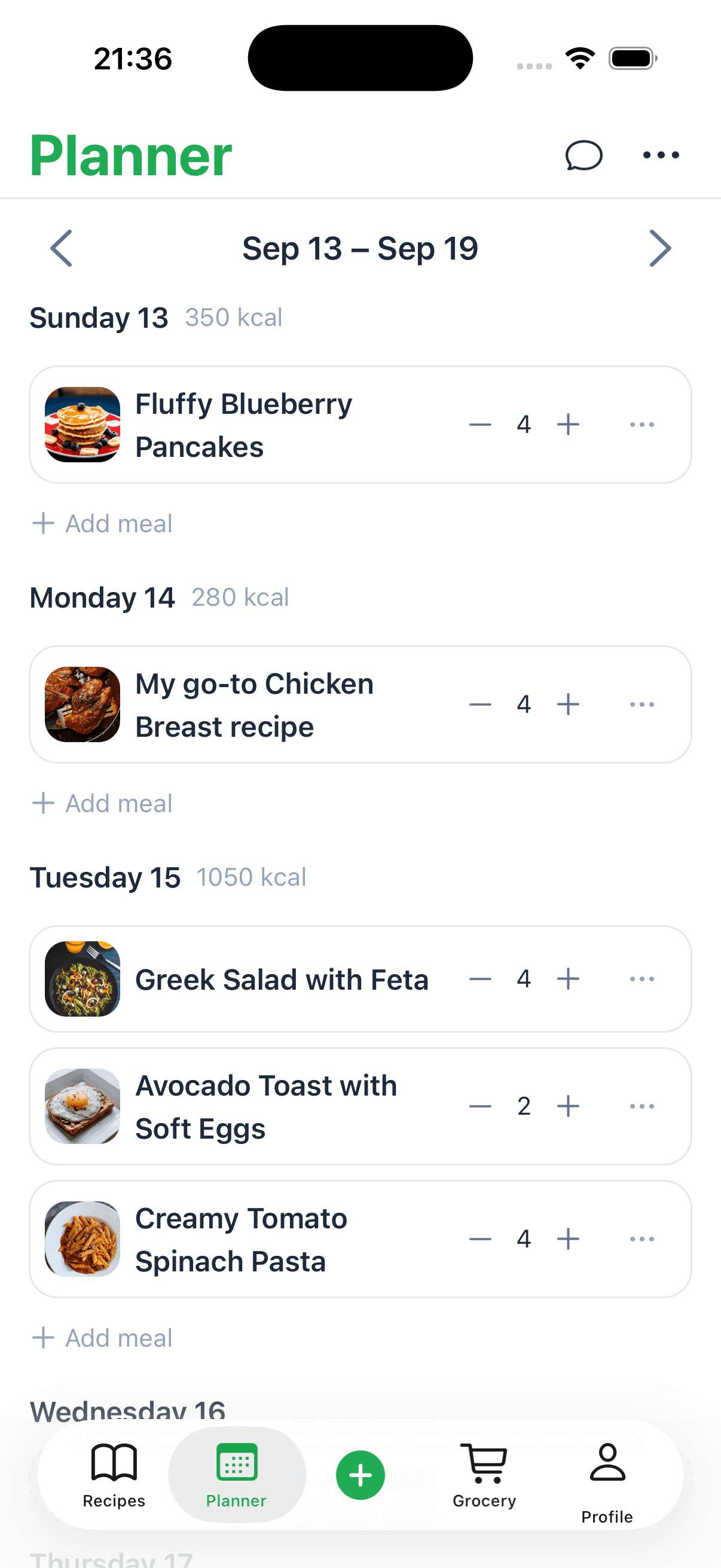
The best meal prep planner isn't one-size-fits-all. It's whatever system works for you, whether that's a sophisticated app, a good old-fashioned notebook, or a printable you stick on the fridge. The goal is to find a tool that turns planning from a chore into a clear strategy for your week.
A simple copyable grid lives in weekly meal planning template.
Why a Meal Prep Planner Is Your Secret Weapon
Picture this: it's 6 p.m. on a Tuesday. Instead of a frantic scramble through the fridge, your kitchen is a calm, organized space. That's the real magic of a meal prep planner. It’s not just a list—it's a system designed to finally silence that nagging "what's for dinner?" stress.
Think of it as your roadmap for the week. It guides you away from last-minute takeout and toward a routine that actually works. And it’s about so much more than food; it’s about getting your time, money, and sanity back. A little bit of planning upfront creates a huge ripple effect all week long.
The True Impact of Planning Ahead
A planner does more than just jot down meals. It creates the structure you need to make healthier choices and save serious cash. When you know what you’re eating, you buy only what you need, which is a game-changer for cutting down on impulse buys and food waste. Your grocery trips transform from a chaotic dash to a focused mission.
The results are real. Studies have shown that people who consistently meal prep eat 23% more vegetables and 18% less processed food. Even better, dedicated planners can save over $100 per month and get back 6-8 hours every single week.
A meal prep planner is like a budget for your time and health. You decide where to invest your resources upfront to get the best return: stress-free evenings and nourishing meals.
Building a Sustainable Routine
The real aim here is to build a habit that sticks. A planner helps you learn what actually works for your schedule and your family's tastes, making the whole process feel second nature over time. You’ll start to see which recipes are great for batch cooking and how to use overlapping ingredients to stretch your grocery budget.
For a deeper dive into creating this rhythm, check out our complete guide on how to plan weekly meals.
Ultimately, the right planner empowers you to:
- Reduce Decision Fatigue: Stop the daily scramble. Make your food choices just once a week.
- Improve Your Diet: Make healthy eating the easy option, not the hard one.
- Control Your Food Budget: Walk into the store with a precise list and put an end to wasteful spending.
- Save Valuable Time: Spend less time in the kitchen and at the grocery store on busy weeknights.
Finding the Right Meal Prep Planner Format
Choosing the best meal prep planner is a personal decision, kind of like finding the perfect pair of running shoes. What works for your best friend might not work for you. The right format really boils down to your lifestyle, your personality, and what genuinely makes you feel organized and in control.
We're going to look at the three main players in the game: good old-fashioned paper planners, slick digital apps, and the ever-flexible printable templates.
Classic Paper Planners
There's something deeply satisfying about putting pen to paper. For some of us, a dedicated notebook or a specialized meal prep journal is the best way to quiet the noise and focus. It’s a screen-free zone where you can really think through your week.
- Pros: It’s a very hands-on, mindful process. No batteries, no internet, no distractions. You have total creative freedom to use stickers, doodle, or color-code to your heart's content.
- Cons: A physical book can be a pain to carry everywhere. You also miss out on handy automations like instantly sorted grocery lists, and every single week requires starting from scratch.
This is the perfect fit for visual thinkers or anyone who’s actively trying to cut down on screen time.
Digital Meal Prep Apps
On the flip side, digital apps transform your phone into a meal-planning powerhouse. These tools are built from the ground up for pure efficiency, taking the most tedious tasks off your plate. They sync between your phone and tablet, create shopping lists with a single tap, and can even track your nutritional intake.
For many people, the convenience is just unbeatable. Being able to pull up a recipe, have the ingredients automatically added to a shopping list, and access your plan from anywhere makes digital apps the clear choice for a busy, modern life.
If you value speed, data, and having everything connected, this is probably the route for you.
For a current roundup of digital options, see the best meal prep apps.
Still on the fence about whether you even need a planner? This quick flowchart can help you decide.
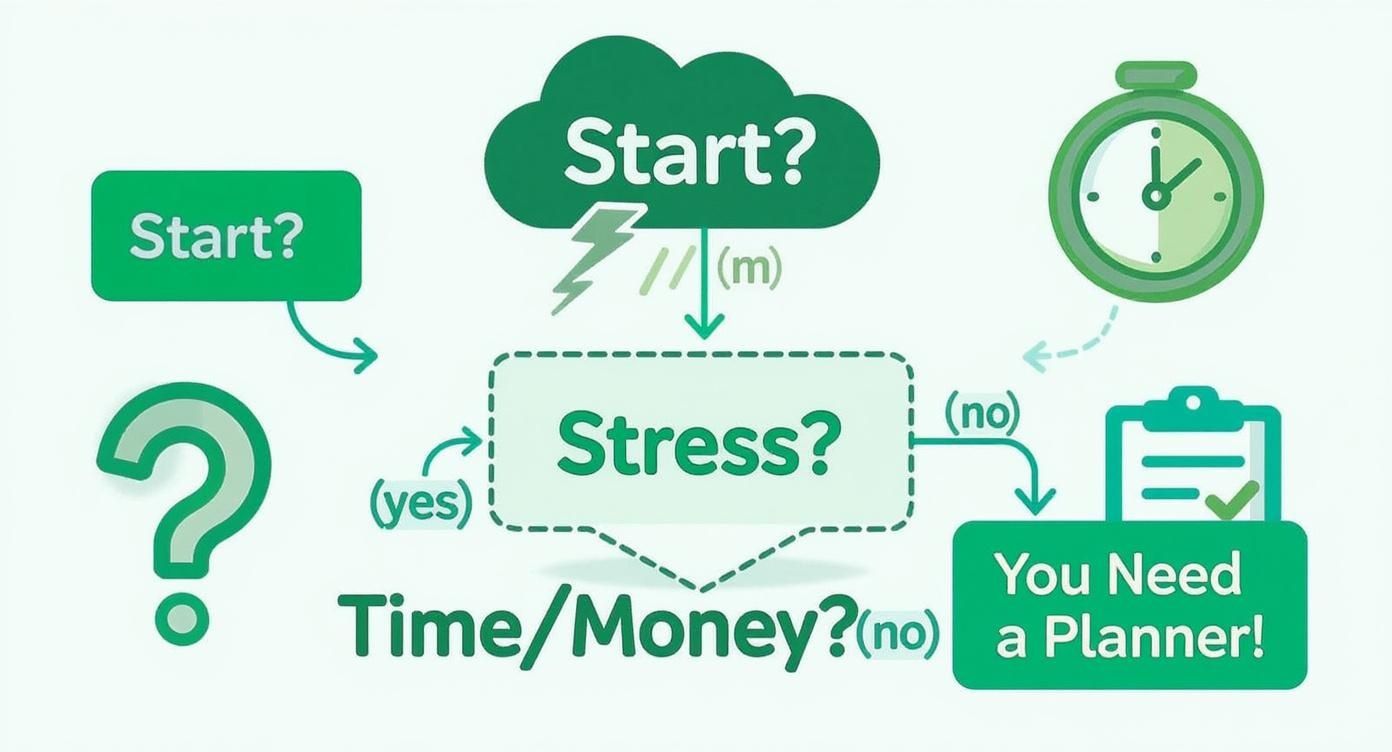
As you can see, a planner can be the answer whether you're trying to save money, reduce stress, or just get a handle on your time.
Flexible Printable Templates
Printable templates beautifully bridge the gap between paper and digital. They give you a pre-made structure that you can print out whenever you need it, combining the hands-on satisfaction of a paper planner with the low-cost convenience of a digital file.
This format offers a huge amount of freedom without the pressure of a blank page.
Meal Prep Planner Format Comparison
To make the choice even clearer, let's break down how these three formats stack up against each other side-by-side.
| Feature | Paper Planners | Digital Apps | Printable Templates |
|---|---|---|---|
| Cost | One-time purchase ($10-$30) | Free (with ads) or Subscription ($5-$10/mo) | Free or low-cost one-time purchase |
| Convenience | Low (must be carried around) | High (on your phone) | Medium (print as needed) |
| Customization | High (total creative freedom) | Low (limited to app features) | Medium (choose your layout) |
| Automation | None (fully manual) | High (shopping lists, nutrition) | None (fully manual) |
| Accessibility | Low (only where the book is) | High (syncs across devices) | Medium (digital file, physical copy) |
Ultimately, the "best" option is the one you'll actually stick with week after week.
If you want to dip your toes in the water without any commitment, printables are a fantastic starting point. To help you get going, we've put together a free meal prep planner template you can download and try out this week. It’s the perfect way to see if a structured approach works for you.
Must-Have Features in a Great Meal Prep Planner
What separates a decent planner from one that actually transforms your routine? Think of it like buying a car. Sure, any car gets you from point A to B, but the best ones have features that make the drive smoother, safer, and just plain better. The best meal prep planner is the same—it should simplify your life, not give you more busywork.
At the bare minimum, any planner worth its salt needs a clear weekly layout. This is your command center. Whether it’s a simple grid for breakfast, lunch, and dinner or a more detailed daily schedule, you need to see your week at a glance.
Core Foundational Features
Beyond a basic layout, a few features are absolutely non-negotiable. Without them, you’re essentially just using a glorified notebook. Here’s what to look for:
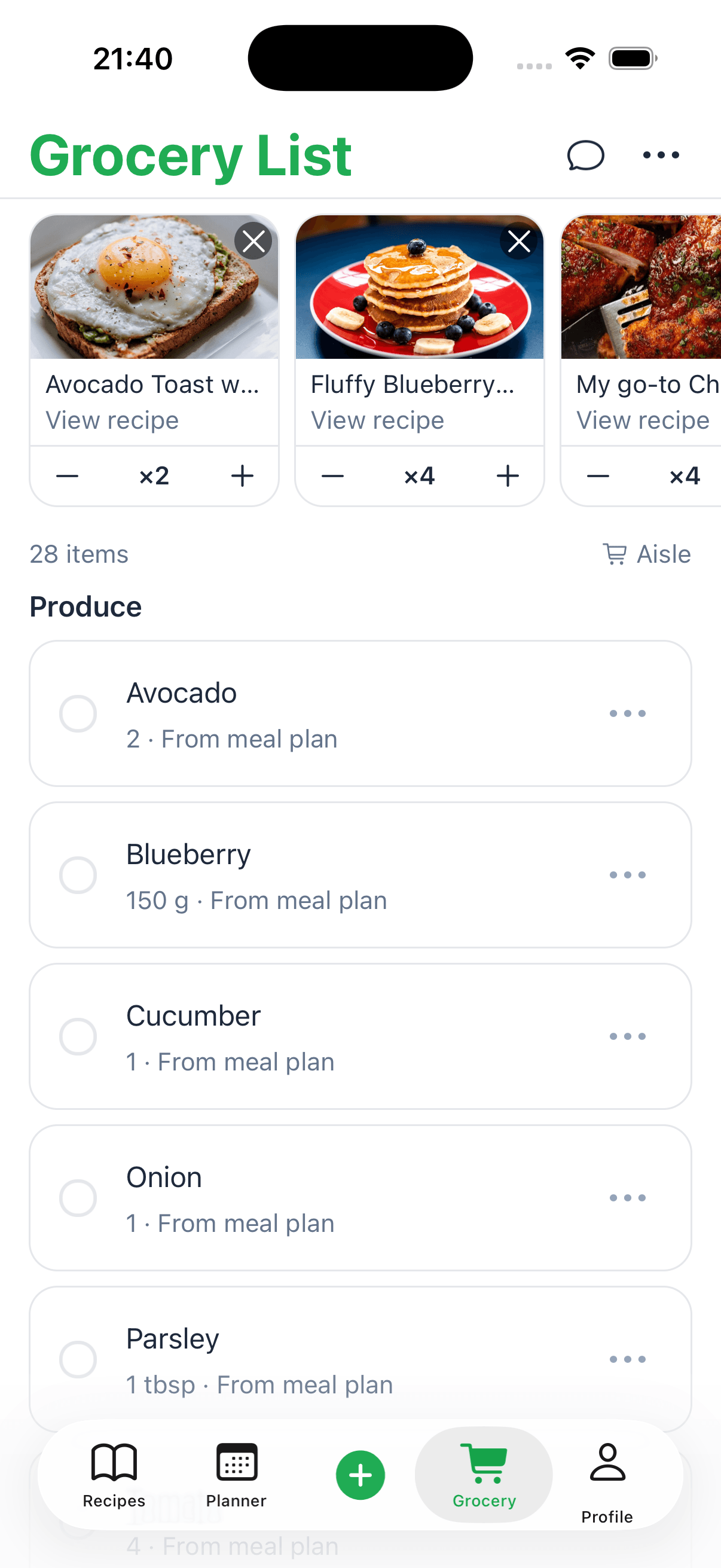
- Integrated Grocery Lists: This is a big one. Your planner should let you pull ingredients from your chosen recipes straight into a shopping list. Having to write out lists by hand is a surefire way to forget something important.
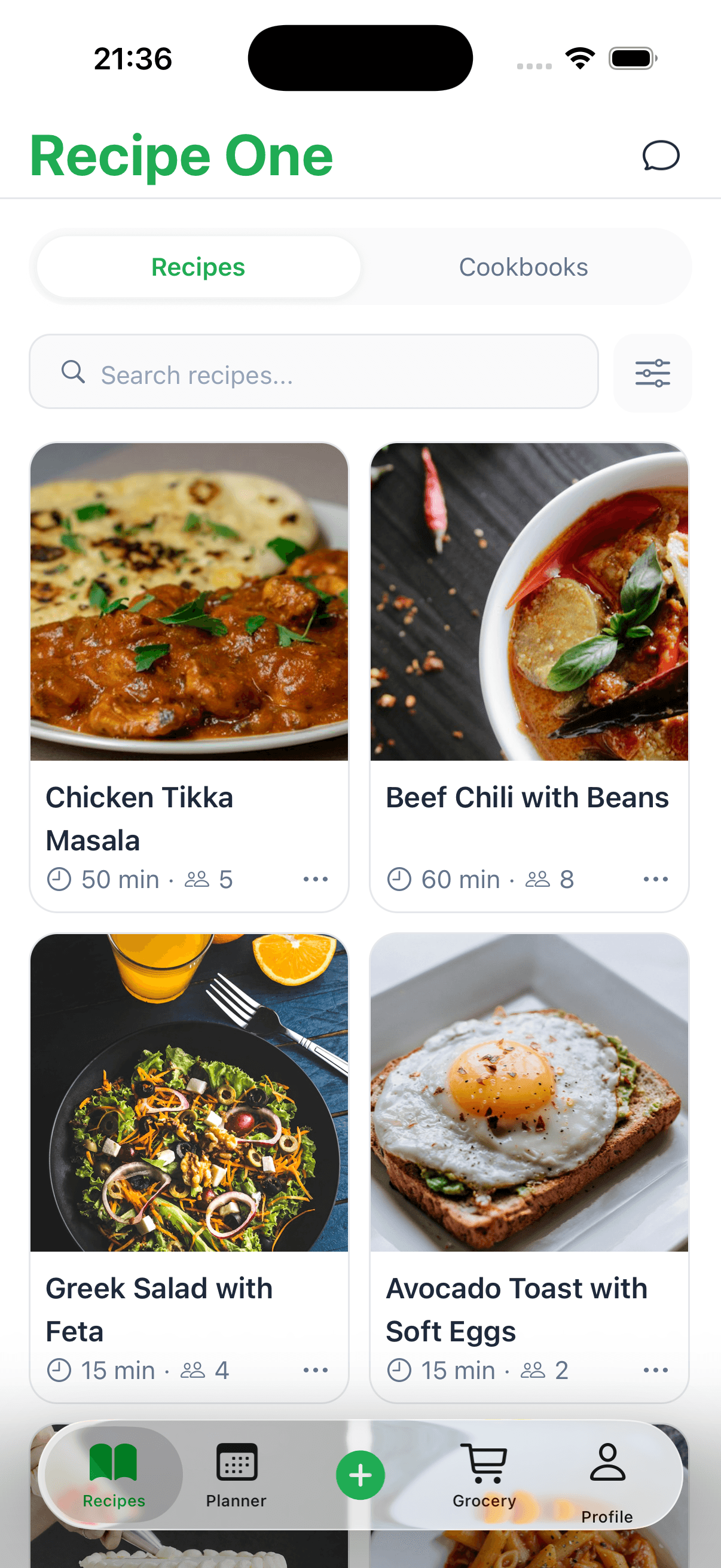
- Recipe Storage: You need one central place for all your go-to recipes. We’ve all been there—endlessly scrolling for that one chicken recipe from a blog you can’t quite remember. A dedicated space for recipes puts an end to that frustration.
- Space for Notes: It sounds small, but this feature is mighty. A little spot to jot down "double the sauce next time" or "kids loved this!" helps you tweak and perfect your meals over time.
You can see a simple version of this in a bullet journal, which lets you organize a basic weekly plan manually.

While these manual methods look great, they just can't compete with the efficiency you get from more advanced, automated features.
Game-Changing Advanced Functions
This is where the truly great planners pull away from the pack. The best tools have functions that handle the tedious, time-consuming tasks for you, turning a good system into one you can't live without. One of the most powerful features is seamless recipe database integration. The ability to import recipes from anywhere online and have them automatically formatted is a massive time-saver. You can learn more about how modern recipe management software makes this happen.
The real power of a modern planner lies in automation. The tool should do the heavy lifting, like sorting your grocery list by aisle or tracking what’s in your pantry, so you can focus on cooking.
Here are a few other game-changers to look for:
- Automatic Grocery List Sorting: A smart planner will categorize your shopping list into sections like "Produce," "Dairy," and "Pantry Staples," making your trip to the store way faster.
- Pantry Inventory Tracking: This feature helps you use up what you already have on hand, which is brilliant for cutting down on food waste and saving money.
- Nutritional Information: Many digital tools can instantly calculate calories and macronutrients for your meals, taking the guesswork out of hitting your health goals.
The demand for these kinds of features is booming. The global meal planning app market was valued at USD 1.2 million in 2024 and is expected to soar to USD 3.6 million by 2032. This incredible growth just shows how much people value having these powerful tools right in their pocket. You can find more details about this expanding market on Verified Market Research.
Your First Meal Prep Plan for Lasting Success
Having a great planner is one thing, but the real magic happens when you actually use it. This is your game plan for that first week, designed to get you started with confidence. The goal here isn’t perfection. It’s about creating a simple, repeatable process that turns meal prep from a chore into a habit.
Think of it like building with LEGOs. You wouldn't start a new creation without first seeing what bricks you have, right? That's exactly where we'll start: with a quick pantry inventory.
Seriously, take just 10 minutes. Scan your pantry, fridge, and freezer and jot down what you already have. Note the staples like rice, pasta, canned beans, and that bag of frozen broccoli. This tiny step stops you from buying things you don't need and helps you plan meals around what needs to be used up. You'll save money right from the get-go.
Strategize Your Recipes
Now for the fun part—choosing what to eat. Instead of grabbing seven totally random recipes, think smart. Pick meals that share common ingredients. For example, if you buy a big bag of spinach, you could plan on a spinach frittata for a few breakfasts and a chicken and spinach pasta for a dinner later in the week.
This little trick pays off in two big ways:
- It reduces food waste: You’ll actually use up that whole bunch of cilantro or carton of mushrooms before they go bad.
- It simplifies your shopping list: A shorter, more focused list means a faster and cheaper trip to the grocery store.
If you need some ideas to get the ball rolling, check out these meal prep recipes for beginners that are perfect for batching and ingredient overlap.
The Power of Base Ingredients
Here’s a pro tip that changes everything: cook versatile 'base' ingredients'. These are the simple, foundational pieces you can mix and match to create different meals all week. They are your meal prep building blocks.
A few great examples of base ingredients are:
- A big batch of quinoa or brown rice
- Roasted vegetables like broccoli, bell peppers, and sweet potatoes
- Shredded chicken or seasoned ground turkey
- A simple homemade vinaigrette for salads or marinades
Prepping these core items means you're just assembling on busy nights, not cooking from scratch. That shredded chicken can go into tacos on Tuesday and a BBQ chicken salad on Thursday, effectively cutting your hands-on cooking time in half.
Schedule Your Prep Session
Finally, and this is crucial, treat your meal prep time like any other appointment. Block out 1-2 hours on your calendar. Sunday afternoon is a classic for a reason, but any time that works for you is perfect. Having this dedicated time makes the process feel calm and structured, not like a frantic task you're trying to cram in.
During your session, be efficient. Get your grains simmering on the stove first, then start chopping veggies while the oven preheats. Put on some music or a favorite podcast to make the time fly by. If you’re brand new to this and want more of the basics, this simple guide to meal planning for beginners is a fantastic resource. Follow these steps, and you're not just making food for a week—you're building a system for success.
Grab-and-Go Sample Meal Prep Plans
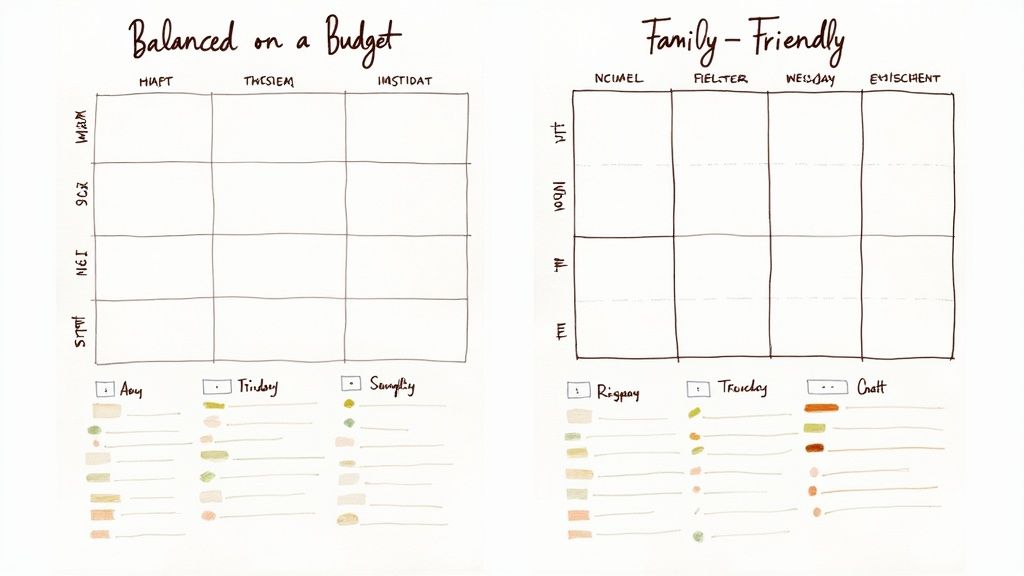
It's one thing to talk about meal planning in theory, but seeing a real plan in action is where the lightbulb really goes off. To show you what a great meal prep planner can do, I’ve put together two complete sample plans you can use right away.
Think of these as more than just recipe lists. They're strategic templates I've designed to save you real time and money. Feel free to use them as a jumping-off point for your own routine or just follow them exactly for a week with zero dinner stress. Either way, you'll see how a good structure makes all the difference.
Balanced on a Budget Plan
I designed this plan specifically for busy professionals who need healthy, affordable meals without any extra fuss. The key here is using recipes with overlapping ingredients to slash your grocery bill and cut down on food waste. We're focusing on nutrient-packed meals that are a breeze to assemble and reheat.
- Breakfast: Overnight oats with berries and nuts. Just prep five jars on Sunday, and you've got a quick, healthy breakfast for the entire workweek.
- Lunch: Big-batch chicken and quinoa bowls. On your prep day, cook up a large portion of quinoa and some shredded chicken. Each morning, just toss it together with different toppings—black beans one day, corn salsa the next—to keep it from getting boring.
- Dinner: Sheet-pan sausage and veggies. This is a one-pan miracle. It means minimal cleanup and gives you delicious, balanced dinners for at least a couple of nights.
Following this kind of approach means you always have something satisfying and healthy ready to go, saving you from those pricey, last-minute takeout orders when you're exhausted after a long day.
The secret to making a budget plan work is using every last bit of an ingredient. That one bag of spinach? It can go into your morning smoothie, a lunchtime salad, and a side dish for dinner. That's how you seriously cut down your grocery bill.
Family-Friendly Favorites Plan
This one is for all the parents out there. It’s built around crowd-pleasing recipes that are perfect for cooking in big batches. The goal is simple: make meals the kids will actually eat that are also easy for you to prep in large quantities.
This plan comes with a full weekly grid, a shopping list broken down by category, and dead-simple instructions for your prep day. If you're looking for ideas, you could work in something fun like these homemade vegetarian hot dogs—they're a great plant-based twist on a classic that kids love.
Here’s what a typical week could look like:
- Prep Day (Sunday): Brown a big batch of ground turkey, simmer a pot of marinara sauce, and chop up veggies like bell peppers and onions.
- Monday Dinner: Use half the turkey and sauce for a classic spaghetti bolognese.
- Tuesday Dinner: The rest of the turkey and the chopped veggies become an instant taco night.
- Lunches: Leftover spaghetti and taco salad make for ridiculously easy and tasty lunches the next day. Salads are another brilliant make-ahead option; you can learn how to keep them from getting soggy with our guide to awesome meal prep salads.
This "cook once, eat twice" method shows how a bit of work on the weekend can set your whole family up for a week of stress-free, home-cooked meals.
How Smart Technology Is Changing Meal Planning
https://www.youtube.com/embed/jaFaE2-PPaA
The future of meal planning is here, and it's a lot smarter than a simple calendar grid. Think of it less like a static paper map and more like a GPS for your kitchen—it actively guides you, reroutes based on new information, and takes the guesswork out of the journey.
Smart planners are completely changing the game by automating the most time-consuming parts of the process. Instead of you hunting for recipes, these tools learn what you like. They might suggest a chicken stir-fry because they know you have bell peppers about to go bad, or recommend a gluten-free pasta dish because they remember your dietary needs. It's the logical next step for anyone who's serious about their health and even more serious about their time.
The Power of Personalization and Automation
The biggest leap forward is a move toward true personalization. A genuinely smart meal prep planner doesn't just hold recipes; it actually understands them. These tools can look at your eating habits, allergies, and health goals to build a weekly menu that feels like it was made just for you.
This intelligent automation weaves through the entire process:
- Automatic Grocery Lists: The moment you pick your meals, the ingredients are instantly organized into a shopping list, often sorted by aisle. No more forgotten items.
- Pantry-Aware Suggestions: The best apps track what you already have. They’ll suggest recipes that use up those ingredients first, which is a game-changer for cutting down on food waste.
- Effortless Nutritional Tracking: They do all the math for you, calculating calories, macros, and other key nutrients. Hitting your health targets becomes almost automatic.
A smart planner is like having a personal kitchen assistant. It handles the tedious, repetitive tasks so you can focus on what's actually fun—cooking and eating great food.
This shift toward intelligent planning isn’t just a small trend; it's a huge market movement. The global meal planner market is on track to hit USD 38.71 billion by 2035, with AI-powered tools leading the charge. A massive 65% of health-focused users are already turning to these technologies for more personalized help.
You can dive into more data about this meal planner market growth on Business Research Insights. It’s clear that smart, automated assistance is exactly what today’s home cooks are looking for.
Got Questions About Meal Prep Planning? We've Got Answers.
Jumping into meal prep can feel like a big commitment, and it's natural to have a few questions. Most people get hung up on the initial effort, but a good planner is designed to make your life easier over time, not more complicated.
The biggest hurdle for most? Just starting.
A meal plan is a guide, not a contract set in stone. The whole point is to reduce stress, so if you need to swap days or just order a pizza, go for it. Real success is about consistency, not perfection.
How Do I Actually Stick With It?
Let's be real: what happens when you get bored of eating the same old thing? The best planners are built for flexibility. A simple trick is to pencil in one "new recipe" night each week. This keeps things interesting without making you feel like you have to reinvent the wheel every Sunday.
It also helps to build in a "flex night." This could be for leftovers, a last-minute dinner out with friends, or a quick "whatever's in the pantry" meal. Having that buffer keeps the plan from feeling too restrictive and is the key to making it a habit that actually lasts. The goal is a routine that serves you, not the other way around. If you want a full software comparison, this guide to the best meal planner apps covers planners that also handle grocery lists.
Ready to turn that chaotic collection of recipes into an organized plan? Recipe One is an AI-powered tool that grabs recipes from anywhere online and files them into your personal library with a single click. Ditch the copy-pasting and start planning the smart way at https://www.recipeone.app/.