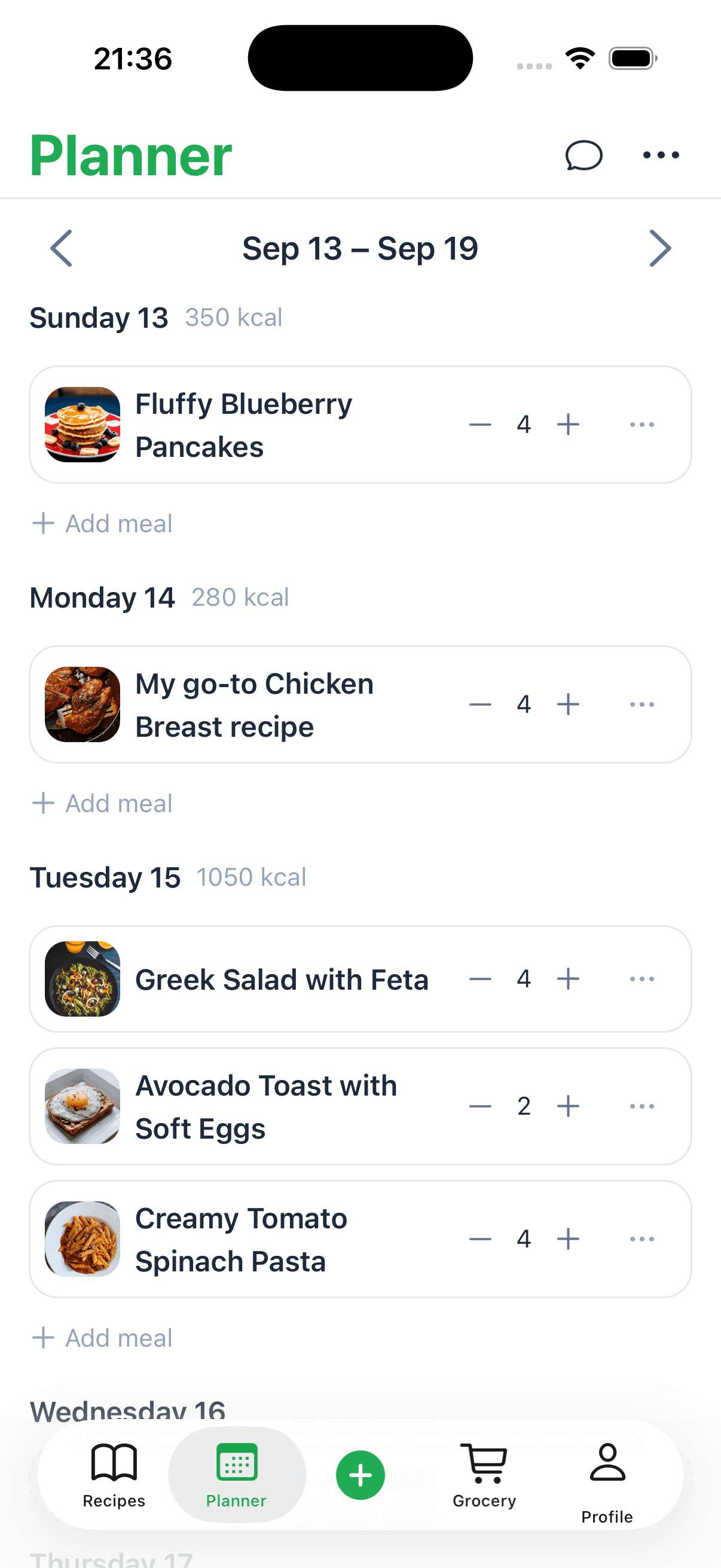
It’s 6 PM on a Tuesday. The classic "what's for dinner?" question hits, and it feels completely impossible to answer. This is exactly why a dedicated meal prep meal planner isn't just a nice-to-have; it's a game-changer. It's not about collecting recipes—it's about taking back your weeknights from chaos and mental burnout.
Why Meal Planning Feels Overwhelming (And How to Fix It)

If you've ever found yourself stuck in a loop of last-minute takeout, wilting veggies in the fridge, and eating the same three meals on repeat, I get it. You're not alone. The idea of mapping out an entire week of food can feel like just another chore on a to-do list that's already a mile long. That mental load is the number one reason most people give up on meal planning before they even really start.
The whole process usually hits a few common roadblocks:
- Decision Fatigue: Just thinking about choosing seven dinners, plus lunches and breakfasts, can feel exhausting.
- Recipe Chaos: You've got recipes scattered everywhere—a Pinterest board, saved Instagram posts, a note on your phone, and that one cookbook you love. It's a mess.
- Time Constraints: Who has an entire Sunday to spend cooking? The idea that you have to block off a whole day is a huge turn-off for most people.
But what if a meal prep planner wasn't about a rigid, complicated system? What if it was just a simple tool to make your life easier?
Shifting Your Mindset
Here’s the secret: your planner is a flexible guide, not a set of strict rules. Think of it as a framework built to lower your stress, not add to it. Let go of the pressure to cook gourmet masterpieces every night. The real goal is to build a simple, repeatable system that actually fits into your real, messy life.
The whole point is to make the healthy, home-cooked option the easiest option. When you plan ahead, you slash your grocery bills, seriously cut down on food waste, and completely eliminate that daily 6 PM panic. There's a reason this approach is catching on. The demand for planned meals is exploding, with the global meal prep market expected to hit USD 12.89 billion by 2033. This isn't just a trend; it's a massive shift as people look for practical ways to manage their busy, health-focused lives. You can read more about the meal prep market trends to see how big this has become.
A successful meal prep meal planner isn't about perfection. It's about creating a system that gives you more time, saves you money, and removes the mental energy wasted on one simple question: "What's for dinner?"
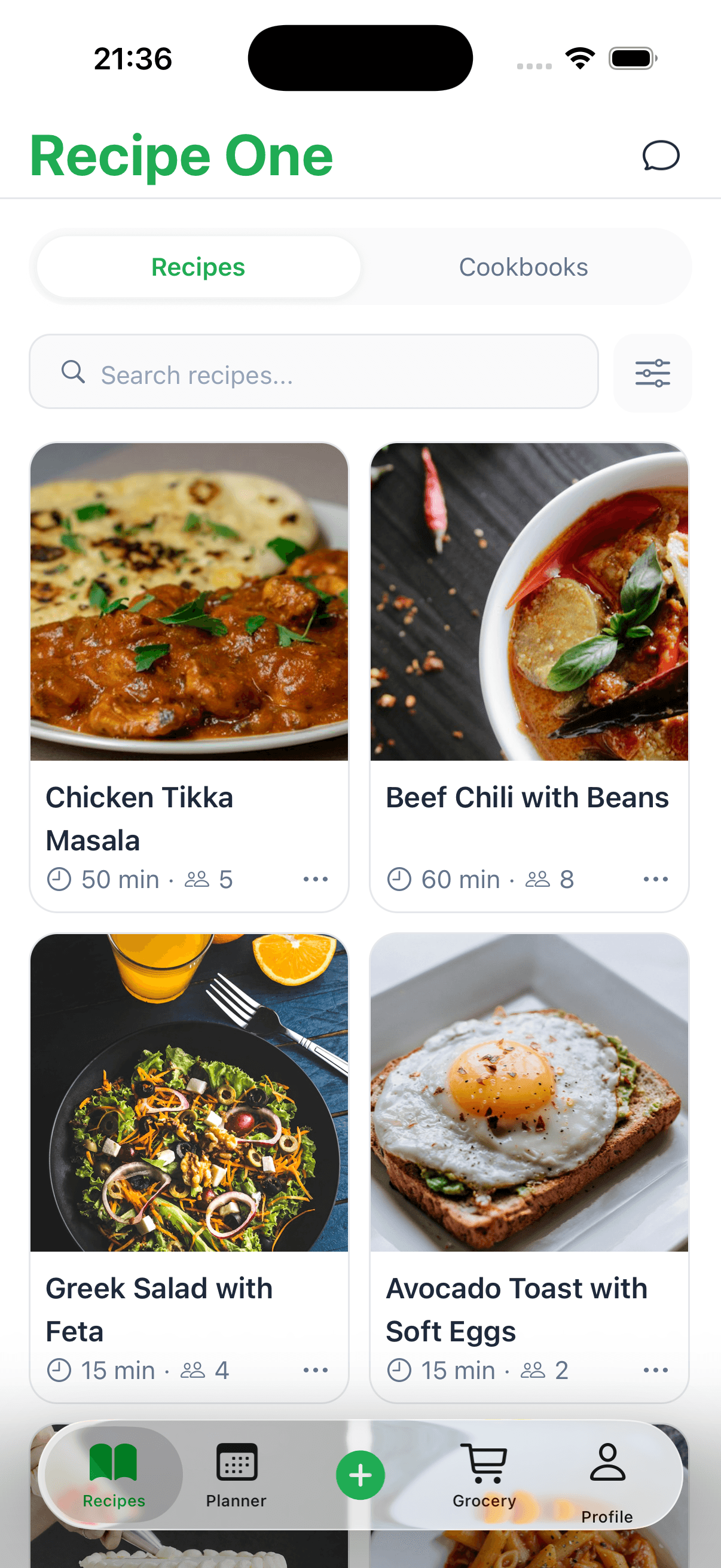
Ultimately, this is about building a practical skill that simplifies your week. When you have a clear plan and one central spot for all your favorite recipes, the whole process starts to feel effortless. Our guide on how to organize recipes is a perfect place to start getting your collection in order. Think of it as your first step toward transforming your weeknights, one prepped meal at a time.
Designing a Meal Planner That Actually Works for You

Alright, let's get down to building the tool you'll actually use every single week. Forget about finding the perfect, one-size-fits-all template online. The most effective meal prep meal planner is always the one you design around your real life, your crazy schedule, and how you actually like to eat.
The goal here is simple: create a system so easy that using it feels better than skipping it.
Whether you're a spreadsheet wizard, a dedicated app user, or a pen-and-paper traditionalist, the core structure is the same: a weekly grid. This just needs rows for each day of the week and columns for your meals—breakfast, lunch, and dinner are the obvious ones. I always add a "Snacks" column, too, because life happens between meals.
This simple grid immediately gives your week a visual framework. It takes the vague, overwhelming idea of "planning meals" and turns it into a concrete task of just filling in some boxes.
Creating an Integrated Shopping List
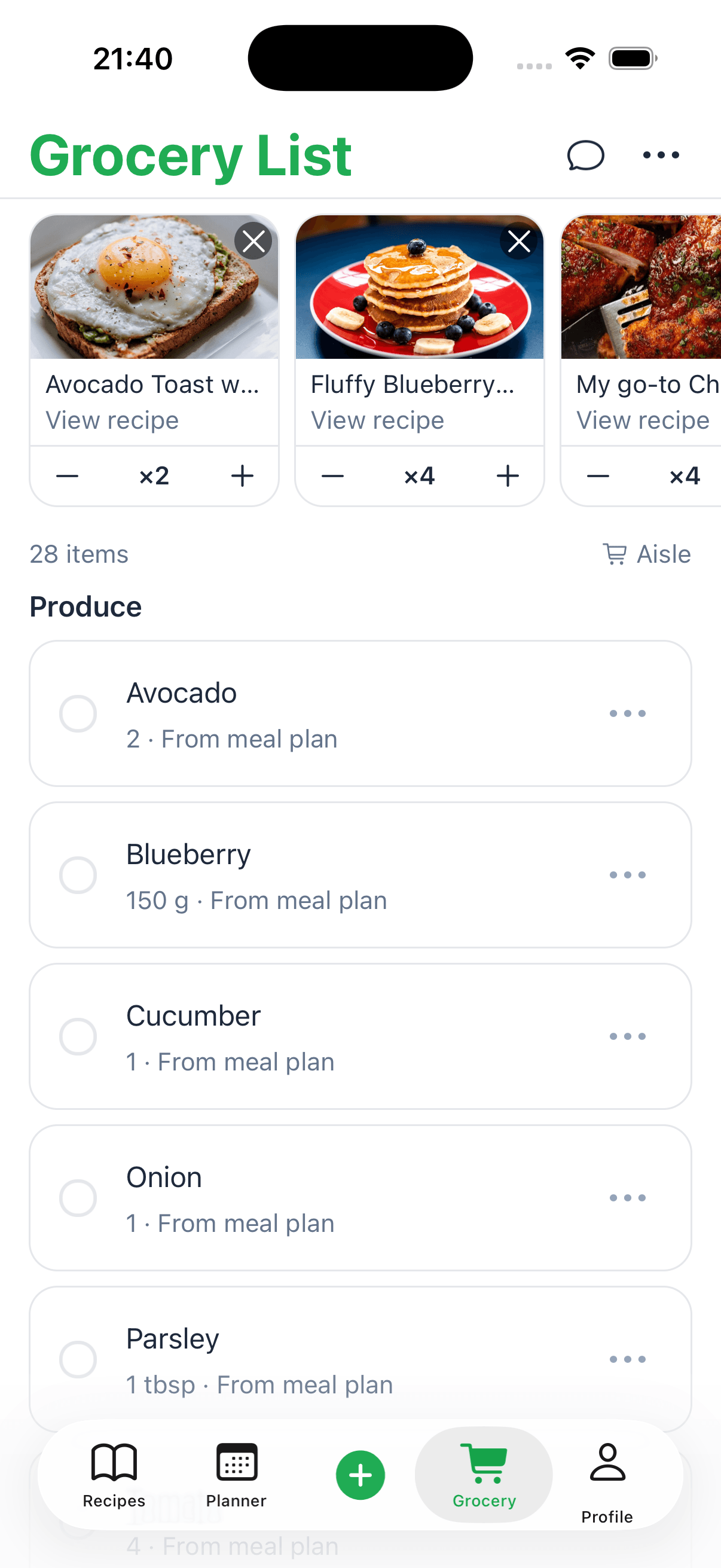
Now, here's the part that changes everything: directly connecting your meal choices to your shopping list. This is the exact spot where most people’s good intentions fall apart. You end up juggling a recipe on your phone, a half-written list on a sticky note, and trying to telepathically remember what's in your pantry.
A truly functional planner gets rid of that mess by merging these steps.
As you pencil in a recipe—say, "Chicken and Veggie Stir-fry" for Wednesday's dinner—you immediately jot down the ingredients you'll need right there. It’s one fluid motion.
- For digital planners, this is as easy as having two columns side-by-side: your meal plan on the left, your shopping list on the right. As you fill in a meal, you populate the list.
- For paper planners, just dedicate half the page to your weekly grid and the other half to the shopping list. Everything stays in one place.
This approach completely eliminates the mental gymnastics of translating a meal plan into a grocery run. It’s a simple, direct action that saves a ton of time and makes sure you never get home without that one key ingredient again.
The most powerful feature of any meal prep meal planner is its ability to turn meal decisions into an actionable, accurate shopping list with zero extra steps. It’s about building a bridge between your kitchen ambitions and your grocery store reality.
A Real-World Planner in Action
Let’s look at how this plays out for a family of four. On Sunday night, they sit down with their planner. It's not a huge, complicated process. They're just filling in a simple grid.
Below is a simple template to give you a clear visual starting point. Notice how straightforward it is—just a grid that organizes your thoughts and turns them into a plan.
Simple Weekly Meal Planner Template
Day
Breakfast
Lunch
Dinner
Snacks
Monday
Oatmeal & Berries
Leftover Chili
Chicken & Veggie Stir-fry
Apple, Yogurt
Tuesday
Yogurt & Granola
Stir-fry Leftovers
Sheet Pan Sausage & Peppers
Nuts, Cheese
Wednesday
Scrambled Eggs
Leftover Sausage & Peppers
Pasta & Meatballs
Fruit, Crackers
Thursday
Smoothie
Leftover Pasta
Taco Night
Veggies & Hummus
Friday
Toast & Avocado
Taco Salad Leftovers
Pizza Night (Homemade)
Popcorn
Saturday
Pancakes
Sandwiches
Grill Out (Burgers)
Chips & Dip
Sunday
Cereal
Leftovers
Roast Chicken & Veggies
Leftover Dessert
As they add "Sheet Pan Sausage & Peppers" to Tuesday's dinner slot, they immediately add chicken sausage, bell peppers (red and yellow), and an onion to the shopping list on the same page. No separate apps, no second-guessing.
This connected process makes the grocery trip ridiculously efficient. But it’s more than just organization; it’s a strategy that directly impacts your health and your wallet. Research shows that people who plan their meals tend to eat 23% more vegetables. Better yet, having a plan can slash impulse buys at the store by an incredible 73%.
Of course, a great plan works best when your kitchen is ready for action. Having the right tools on hand makes everything smoother, and a good first apartment kitchen essentials checklist can be a lifesaver. For a deeper dive into building out your weekly routine, check out our guide on https://www.recipeone.app/blog/how-to-plan-weekly-meals.
By tailoring the planner to your life, you’re not just filling out another template to be abandoned—you’re building a sustainable habit.
Choosing Recipes That Make Meal Prep Easy
Let’s be honest, the real secret to sticking with meal prep isn't fancy containers or a perfectly scheduled Sunday. It’s the food. If your prepped meals don't taste great by Wednesday, you’re not going to eat them.
The trick is to pick recipes that hold up well in the fridge—or even get better. Think about dishes where the flavors have a chance to meld and deepen over a couple of days. We’re talking stews, rich chilis, flavorful curries, and hearty casseroles. Soups and grain bowls are also fantastic choices. What doesn’t work so well? Anything that relies on being crispy, like fried chicken, or delicate, like a salad with light greens that will wilt the second dressing touches it.
The Overlapping Ingredient Strategy
If you want to make your meal prep meal planner a true money-saver, this is the single most effective trick I’ve learned: pick recipes that share ingredients. It sounds simple, but this one move completely changes the game. Your shopping list gets shorter, you drastically cut down on food waste, and your grocery bill shrinks. You’re making every ingredient pull double or even triple duty.
A perfect example is roasting a whole chicken on Sunday. That one "big cook" sets you up for days.
- Monday Lunch: Shred some of that leftover chicken, mix it with a little mayo and chopped celery, and you've got a classic chicken salad sandwich.
- Wednesday Dinner: Use the rest of the shredded meat for quick chicken tacos or a cheesy quesadilla.
- All Week: Don't throw out the bones! Simmer that carcass with some veggie scraps (like onion peels and carrot ends) to make a delicious homemade broth you can use for soups later.
This is the heart of smart meal prep. You're not just planning meals; you're creating a smart workflow for your hero ingredients.
Balancing Big Cooks with Easy Assembly
A huge mistake people make is trying to cook five complicated recipes in one go. That's a surefire way to burn out and dread your prep day. A much better way is to balance one or two more involved "big cook" items with a few super-simple meals that just need assembly.
Your "big cook" is the star of the show—that roasted chicken or a giant pot of chili. These are the workhorses for your week. From there, you just fill in the gaps with meals that require zero cooking on prep day.
Your prep session shouldn't feel like you’re working the line in a restaurant. The goal is to be efficient, not exhausted. Pairing one or two cooked recipes with quick-to-assemble meals makes your routine sustainable and stress-free.
Here are a few of my favorite assembly-only ideas:
- Yogurt Parfaits: Just layer some yogurt, berries, and granola in a few jars. Breakfast is done.
- Mason Jar Salads: The key is the layering. Dressing goes on the very bottom, followed by hard veggies, grains, protein, and finally the leafy greens on top. No more soggy salads!
- Overnight Oats: The night before, just mix oats, your milk of choice, and some tasty add-ins in a container. It’ll be ready for you in the morning.
This mix-and-match approach keeps your actual cooking time down but still gives you a fridge full of varied, delicious options. If you're looking for more inspiration, our list of meal prep recipes for beginners is packed with ideas that fit this exact model.
Your Two-Hour Sunday Prep Day Game Plan
Once you have your plan and your groceries are tucked away in the fridge, it's go time. This isn’t about losing a whole Sunday to the kitchen. It's about a focused, efficient two-hour session that sets you up for a week of easy eating. The real secret is having a solid workflow before you even preheat the oven.
A big debate in the meal prep community is whether to "component prep" or "full meal prep." Honestly, neither is better—they just solve different problems.
- Component Prepping: This is all about preparing individual ingredients. Think chopping all your veggies for the week, cooking a big batch of quinoa, grilling a few chicken breasts to use in different meals, or whisking together a jar of salad dressing. It's built for flexibility.
- Full Meal Prepping: This means cooking and portioning out complete meals. You'd assemble five identical containers of chicken, broccoli, and rice that are ready to grab and go. This is the peak of convenience.
Most people I know who’ve stuck with meal prep long-term land somewhere in the middle. They might cook one complete dish, like a big batch of chili, and then prep a few versatile components to mix and match for other meals.
Structuring Your Workflow for Maximum Efficiency
To get everything done in two hours, you have to think like a project manager. The idea is to have things happening simultaneously, maximizing both your active and passive cooking time. This all starts with what takes the longest and needs the least hands-on attention.
Always, always start with recipes that need the oven. Get your sweet potatoes, chicken, or tray of vegetables roasting first. While those are cooking away, your stovetop and counter space are free for quicker tasks. You can simmer a sauce, boil some pasta, or chop fresh vegetables for salads while the oven is doing most of the work for you.
This is where planning really pays off. A single protein, like a roast chicken, can be the star of several different meals throughout the week.

This simple flow shows how one core ingredient gets repurposed, which is the heart of smart component prepping. This strategy taps into a major consumer trend: people want hassle-free ways to eat well. It's no surprise that the online meal kit market was valued at USD 10.4 billion and is expected to keep growing. People are actively looking for smarter ways to eat without the daily grind.
Smart Storage for Lasting Freshness
How you store your food is just as critical as how you cook it. The wrong container can turn a fantastic meal into a soggy, sad lunch by Tuesday.
Airtight glass containers are the single best investment you can make for meal prepping. They don’t stain or hold onto odors from last week's curry, and they move seamlessly from the fridge to the microwave to the dishwasher. For salads, they are a complete game-changer.
Here are a few storage tips I've learned over the years:
- Soups and Stews: Portion them into individual, microwave-safe containers. Mason jars are fantastic for this.
- Salads: The key is layering. Use wide-mouthed jars or containers and put the dressing on the bottom. Then add hard veggies, grains, protein, and finally, the leafy greens on top. It stays crisp until you shake it all up.
- Grain Bowls: Always keep sauces and dressings separate until you're ready to eat. This preserves the texture of all the ingredients.
- Hot Meals: This is crucial—let food cool down completely before you put the lids on. Trapping steam creates condensation, and condensation equals sogginess.
Having your recipes in a consistent format makes everything from cooking to shopping list creation so much easier. You can check out our guide to learn how to seamlessly convert any recipe into a shopping list. It’s a small organizational step that really tightens up your entire meal prep system.
Advanced Meal Planning Strategies to Save More Time
Once you've settled into a weekly planning groove, you can start layering in a few more powerful strategies. These aren't just minor tweaks; they're designed to make your meal prep meal planner so efficient it practically runs on its own.
Think of it as moving beyond the basic grid and building a sustainable system that frees up even more of your time and mental energy.
The first big upgrade? Creating a "favorites" library. This isn't just a random list of recipes. It's your curated collection of 10 to 15 tried-and-true meals your family actually loves. These are the dinners you can practically make with your eyes closed—the ones that are always a hit.
This core rotation immediately solves two of the biggest meal prep headaches: decision fatigue and the dreaded "what's for dinner?" panic. When you're stuck, you just pull from this list instead of falling down a rabbit hole of recipe blogs.
Build a Rotational Recipe Library
So, how do you build this library? Start with what you already know and love. Think about that perfect chili recipe, the super-easy sheet-pan chicken, or the taco night everyone looks forward to. Those are your foundation.
From there, aim to try just one new recipe each week. If it's a winner and gets rave reviews, it earns a spot in your permanent collection.
A well-curated recipe library is your secret weapon against the 5 PM scramble. It turns the question of "What should I make?" into a simple choice between a handful of guaranteed successes, completely eliminating guesswork from your weekly planning.
This approach simplifies everything. A solid base of reliable meals means less time searching and more time cooking (and eating!). The key is keeping this library organized, and using dedicated tools can be a lifesaver. We break down some of the best options in our guide to recipe management software.
Adapt Your Plan to Seasons and Dietary Needs
Another great strategy is to start planning with the seasons. This is about more than just taste—it's a fantastic way to save money. When you build your meal plan around what's fresh and abundant, like asparagus in the spring or butternut squash in the fall, you’ll notice a real difference in your grocery bill.
Your planner becomes a tool for both organization and savings.
And what about dietary needs? You don't have to reinvent the wheel. Just learn to make simple swaps within your existing favorite recipes. It’s much easier than you think.
For instance:
- Low-Carb Chili: Keep your go-to chili recipe, but serve it over cauliflower rice. Or, you could skip the beans entirely and just add more ground meat and peppers.
- Gluten-Free Pasta: This one's easy. Just swap your usual pasta for a gluten-free version made from chickpeas or lentils. The sauce and everything else stays exactly the same.
This adaptive mindset keeps your core recipes in rotation, only requiring minor adjustments instead of a complete overhaul.
And why stop at main meals? Applying this same prep-ahead thinking to snacks is a total game-changer. For a little inspiration, check out these 10 healthy meal prep snack ideas to help round out your week.
Common Meal Prep Planner Questions Answered
Even with a perfect plan in hand, you're bound to run into a few questions. That's completely normal. Working through these little roadblocks is what makes meal prepping stick and become second nature. Let's dig into some of the most common hurdles I see people face.
Keeping Your Meals Interesting
The biggest fear I hear? Food boredom. And I get it. Nobody wants to eat the same bland chicken and rice for five days straight.
The trick is to build a solid rotation of 10-12 core recipes you actually look forward to eating. Once you have that foundation, try adding just one new recipe each week. It keeps things exciting without making you feel like you're starting from scratch every Sunday.
Another game-changer is prepping versatile ingredients instead of entire meals. For example, a big batch of shredded chicken can go into tacos on Tuesday and a salad on Wednesday. Sauces, dressings, and spices are your secret weapons for making the same base feel like a totally different meal.
The goal isn't to eat the same meal on repeat. It's to have delicious, ready-to-go components that you can assemble in different ways to keep your taste buds from getting bored.
Storing Food to Maximize Freshness
How you store your food is the difference between a crisp, satisfying lunch on Wednesday and a sad, soggy mess. If you're going to invest in one thing, make it a set of airtight glass containers. They don't stain, won't hold onto smells, and last forever.
A few simple habits make all the difference:
- Always let hot food cool down completely before you pop a lid on it and stick it in the fridge. This prevents that dreaded condensation.
- Keep dressings and sauces separate until you're ready to eat. No one likes a pre-sogged salad.
- A little squeeze of lemon juice over cut apples or avocados works wonders to keep them from browning.
As a rule of thumb, most cooked meals will stay fresh for about 3-4 days in the fridge. If you're prepping for later in the week, the freezer is your best friend. Just make sure to label everything with what it is and when you made it.
For app comparisons that cover weekly planning plus shopping, see the best meal planner apps.
For tools aimed at batch cooking, compare the best meal prep app options.
Ready to stop losing those amazing recipes you find online? Recipe One instantly saves recipes from any social media post, video, or image into your own organized digital library. Get started for free at https://www.recipeone.app/.