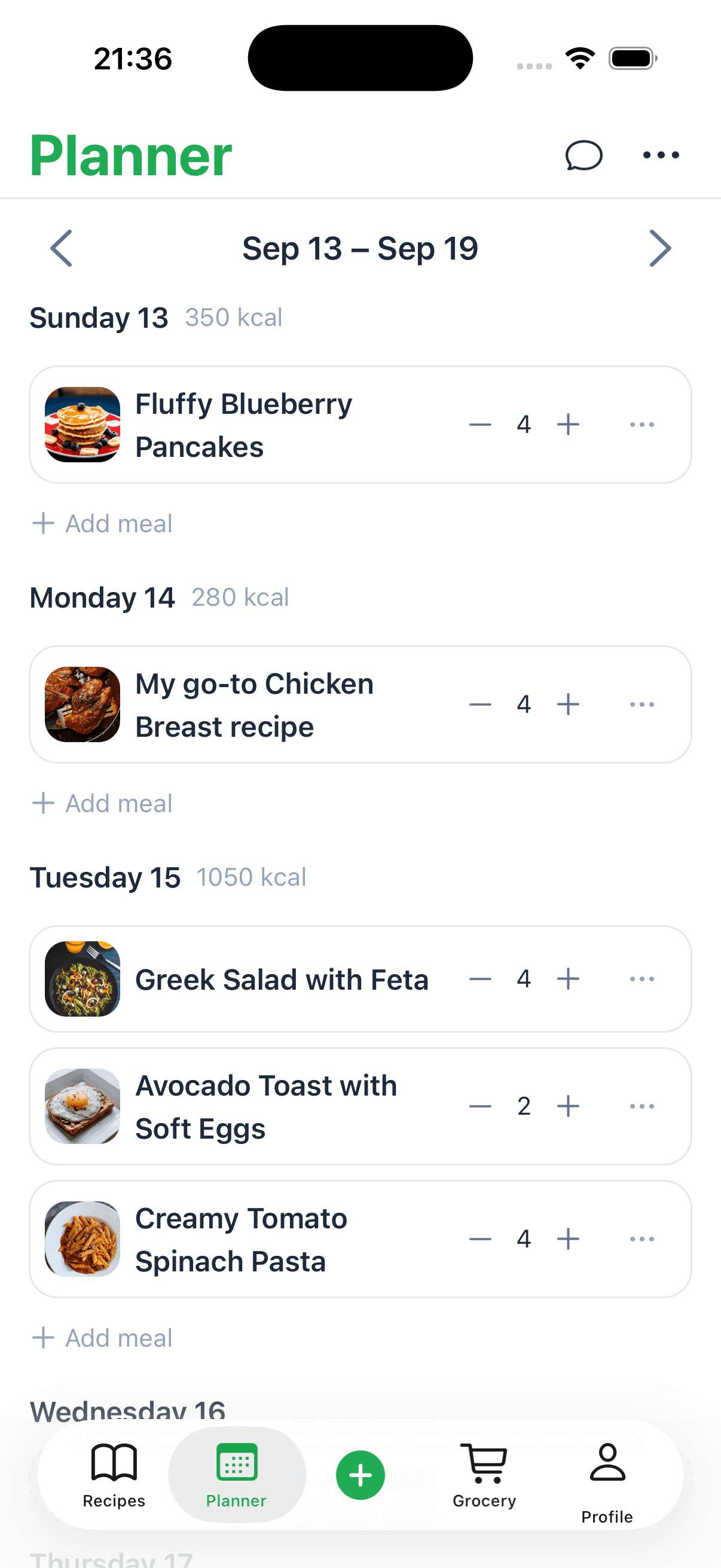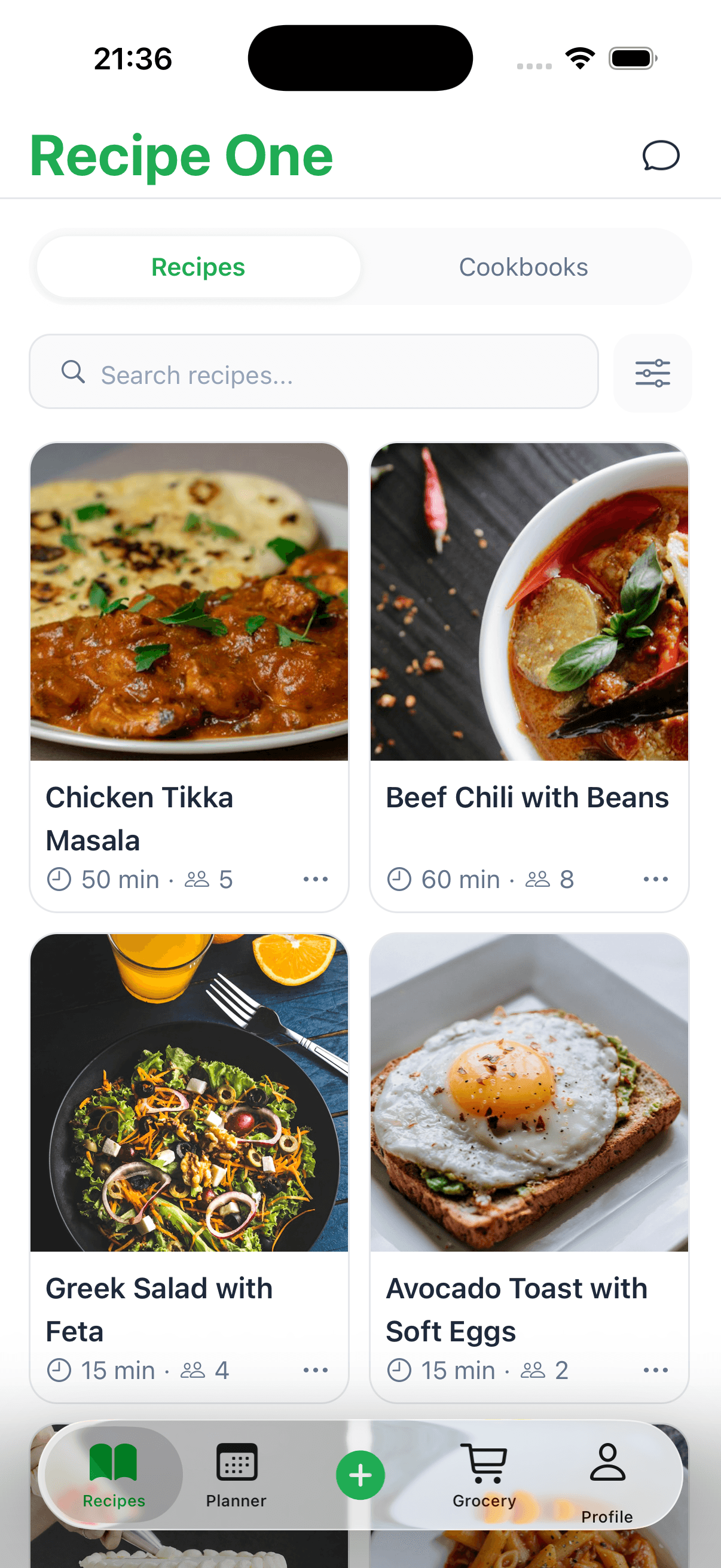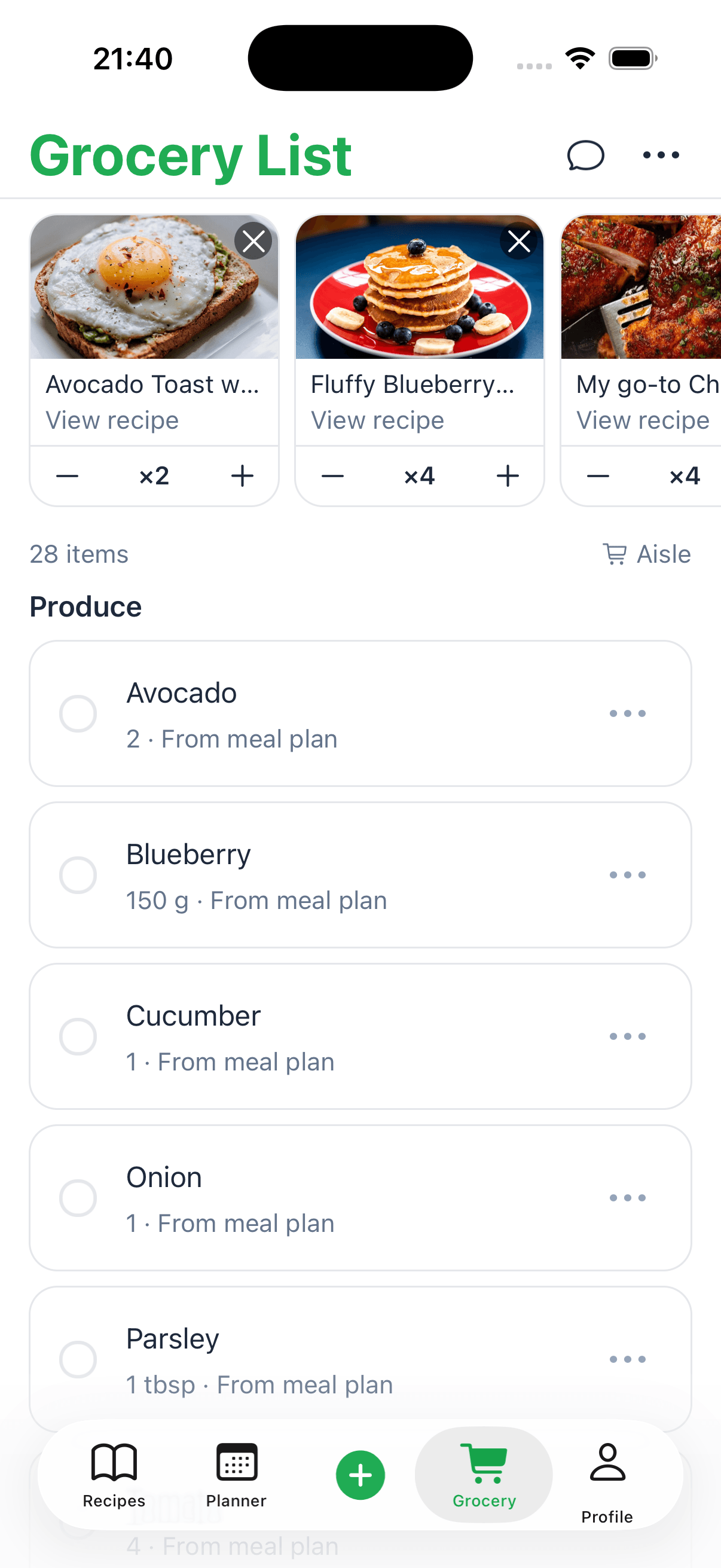
In the age of endless culinary inspiration, our recipe collections often become a chaotic mix of screenshots, browser bookmarks, and scribbled notes on scrap paper. While the joy of discovering a new dish is thrilling, the subsequent disorganization can be overwhelming, making it nearly impossible to find that perfect recipe when you need it most. The key to transforming this digital and physical clutter into a functional, inspiring culinary library lies in a smart organization system. This guide is your definitive roadmap, exploring the essential categories for cookbooks and recipes to create a clear, searchable, and highly effective framework.
We will move beyond basic folders and dive into a strategic approach that makes finding the perfect dish effortless. You'll learn how to classify every recipe you own, from a quick weeknight dinner to an elaborate weekend baking project. For those using a dedicated tool like Recipe One, which is designed to capture and structure recipes automatically, these categories provide a powerful foundation for building a personalized and practical digital cookbook. Understanding these concepts will revolutionize how you manage your culinary world.
This organized approach not only saves time but also opens up new possibilities, allowing you to easily rediscover old favorites and integrate new ones. As you unlock your culinary library's full potential, especially looking towards 2025, considering the best EPUB translator tools for 2025 can help integrate foreign language cookbooks into your organized system, further expanding your kitchen's horizons. This comprehensive listicle provides actionable tips and clear examples for each category, helping you build a system that works for you.
1. Dietary & Health-Focused Cookbooks
This is one of the most essential categories for cookbooks because it directly addresses specific health needs and lifestyle choices. Dietary and health-focused cookbooks are designed around particular nutritional guidelines, whether for managing a health condition like diabetes (low-sugar), celiac disease (gluten-free), or heart issues (low-sodium), or for adhering to a wellness philosophy like keto, vegan, or paleo. These collections go beyond simple recipes; they often provide a framework for a new way of eating.

The success of cookbooks from authors like Ellie Krieger or brands like Skinnytaste and The Whole30 highlights a growing demand for recipes that are both delicious and functional. For instance, a paleo cookbook will eliminate grains, legumes, and dairy, while a vegan one, like Minimalist Baker, will focus exclusively on plant-based ingredients. This approach empowers cooks to take control of their health without sacrificing flavor.
How to Organize in Recipe One
- Folder Structure: Create a primary folder named "Dietary Goals." Inside, use subfolders for specific diets like "Vegan," "Gluten-Free," "Keto," and "Low-FODMAP." This keeps specialized recipes separate and easy to find.
- Tagging Strategy: Use specific tags for each recipe. A single dish could have multiple tags, such as
#gluten-free,#dairy-free, and#low-carb. This allows for highly filtered searches when you need to meet several dietary requirements at once. - Search Keywords: When looking for new recipes, use precise terms like "keto vegetarian dinner" or "low-sodium chicken recipe." Combining diet types with meal types yields the most relevant results. For more ideas on combining these categories, you can explore resources that focus on a low-carb vegetarian diet meal plan.
Pro Tip: When adding recipes to your collection, make it a habit to add nutritional information in the notes section. Capturing details like calories, carbs, protein, and fat per serving makes it much easier to track your health goals.
2. Regional & Ethnic Cuisine Cookbooks
This is one of the most vibrant categories for cookbooks, as it transports home cooks around the globe by celebrating specific geographic and cultural traditions. Regional and ethnic cuisine cookbooks focus on authentic recipes, traditional techniques, and the unique ingredients that define a particular place. They are more than just collections of instructions; they are cultural documents that explore the history and stories behind the food, connecting us to a region's heritage.
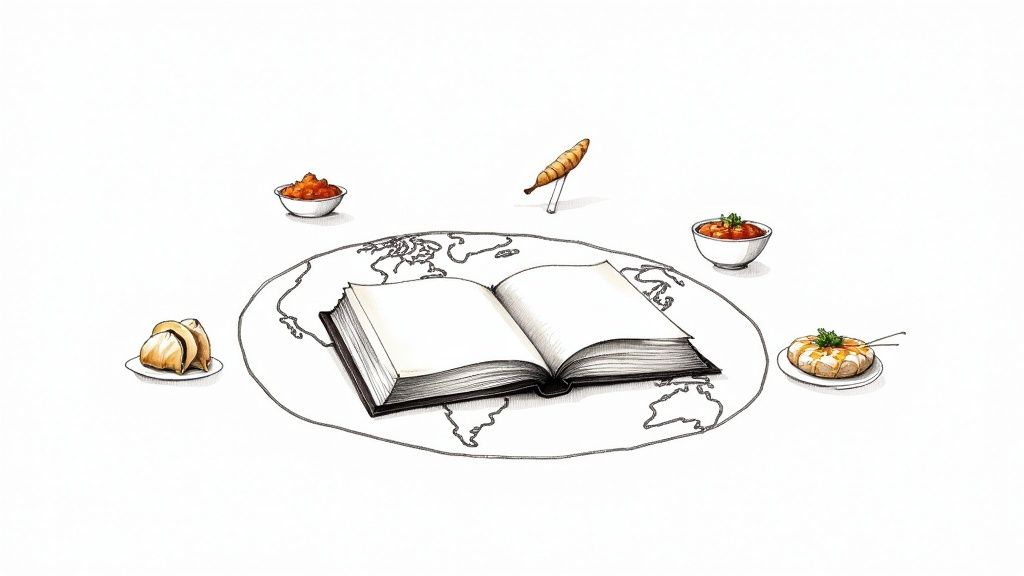
The success of authors like Yotam Ottolenghi with Jerusalem or Fuschia Dunlop with her deep dives into Sichuan cooking demonstrates a powerful desire for authentic culinary experiences. These cookbooks teach us not just what to cook but how and why, from understanding the foundational principles in Salt, Fat, Acid, Heat to exploring personal identity through food in Crying in H Mart. This approach empowers cooks to build a deeper appreciation for global flavors and expand their kitchen repertoire in a meaningful way.
How to Organize in Recipe One
- Folder Structure: Create a primary folder named "Global Cuisines." Inside, use subfolders organized by region or country, such as "Italian," "Mexican," "Japanese," and "Middle Eastern." This makes it easy to browse for a specific culinary style.
- Tagging Strategy: Use specific tags for both the region and the dish type. A recipe for Pad Thai could be tagged with
#thai,#noodles, and#street-food. A French Coq au Vin might have#french,#stew, and#classic. - Search Keywords: When searching for new recipes, be specific with terms like "authentic Tuscan pasta recipe" or "easy Korean side dishes." Combining the region with the course or key ingredient helps you find exactly what you're looking for.
Pro Tip: In the notes section of each regional recipe, add links to online stores or local markets where you can find specialty ingredients like gochujang, za'atar, or high-quality fish sauce. This saves you time when you're ready to start cooking.
3. Quick & Easy/Time-Saving Cookbooks
This is one of the most popular categories for cookbooks because it directly addresses the modern challenge of finding time to cook. Quick & Easy/Time-Saving cookbooks are tailored for busy individuals, focusing on recipes that minimize prep time, use fewer ingredients, and simplify cooking methods. These collections are lifesavers for weeknight meals, often featuring dishes that can be on the table in 30 minutes or less.
The incredible success of personalities like Rachael Ray with her 30-Minute Meals and Dana Shultz with Minimalist Baker Every Day demonstrates the universal need for efficiency in the kitchen. These cookbooks aren't just about speed; they prove that you don't need to spend hours cooking to create a delicious and satisfying meal. The recipes often rely on smart shortcuts, one-pan methods, and readily available ingredients to streamline the entire process from start to finish.
How to Organize in Recipe One
- Folder Structure: Create a primary folder named "Weeknight Dinners." Inside, use subfolders based on time, such as "Under 15 Mins," "Under 30 Mins," and "One-Pan Meals." This allows you to quickly select a recipe based on how much time you have.
- Tagging Strategy: Use time-based tags like
#quick,#30minutemeal, and#onepan. Also, tag for simplicity, using#5ingredientsor#minimalprep. This multi-tag system helps you find the perfect recipe that is both fast and low-effort. - Search Keywords: To find new recipes, use specific searches like "easy chicken one-pan dinner" or "15-minute pasta recipe." Combining the meal type with a time constraint will give you the most practical results. For more ideas on deciding on your next meal, you can find inspiration for what to make for dinner tonight.
Pro Tip: When you save a quick recipe, add the total prep and cook time directly in the recipe title or in a prominent note. For example, "20-Min Lemon Herb Chicken." This small step makes it much faster to scan your collection and choose a meal that fits your schedule.
4. Baking & Pastry Cookbooks
Baking and pastry represent one of the most precise and scientific categories for cookbooks. Unlike general cooking where improvisation is often encouraged, baking relies on specific chemical reactions between ingredients. These cookbooks provide meticulous, step-by-step instructions for everything from artisan breads and delicate pastries to decadent cakes and cookies. They are less about recipes and more about formulas, emphasizing the importance of technique, temperature, and timing.

The success of authors like Stella Parks (Bravetart) and Claire Saffitz (Dessert Person) shows that home bakers crave not just recipes, but also the science behind them. For example, Ken Forkish's Flour Water Salt Yeast demystifies the art of bread-making, while Rose Levy Beranbaum's The Bread Bible offers exhaustive detail on classic techniques. These resources empower bakers to understand the "why" behind each step, leading to more consistent and impressive results. Mastering fundamental techniques is crucial, as you can see in our guide that explains what the creaming method is in baking.
How to Organize in Recipe One
- Folder Structure: Create a main folder called "Baking." Inside, use subfolders to categorize by type, such as "Breads," "Cakes & Cupcakes," "Cookies & Bars," and "Pastries." This helps you quickly locate the right recipe for any occasion.
- Tagging Strategy: Use detailed tags to filter your collection. Tags like
#sourdough,#buttercream,#laminated_dough, and#no-kneadare perfect. Also, tag by occasion, such as#birthday_cakeor#holiday_cookies. - Search Keywords: Be specific in your searches to find exactly what you need. Use terms like "vegan chocolate chip cookie recipe," "sourdough bread for beginners," or "gluten-free birthday cake" to narrow down your options effectively.
Pro Tip: In the notes section of your recipes, always include ingredient weights (in grams) alongside volume measurements (cups). Precision is key in baking, and using a kitchen scale eliminates inconsistencies, ensuring your creations turn out perfectly every time.
5. Ingredient-Focused Cookbooks
This is one of the most practical categories for cookbooks because it helps cooks master a specific item in their pantry or fridge. Ingredient-focused cookbooks celebrate the versatility of a single star, like eggs, mushrooms, or even a fundamental element like salt. They explore one ingredient in-depth, showcasing its history, science, and a wide array of preparation methods that go far beyond the obvious. This approach helps reduce food waste and inspires creativity with everyday staples.
The popularity of books like Salt, Fat, Acid, Heat by Samin Nosrat or The Book of Eggs by Lior Lev Sercarz shows how a deep dive into a single component can transform one's cooking. A book dedicated to pasta, for example, will not just offer sauce recipes; it will teach you about different pasta shapes, cooking times, and pairing principles. These cookbooks empower you to look at a simple ingredient and see a world of possibilities, making you a more intuitive and resourceful cook.
How to Organize in Recipe One
- Folder Structure: Create a main folder called "Ingredient Spotlights." Inside, create subfolders for each core ingredient you want to master, such as "Chicken," "Potatoes," "Eggs," or "Chocolate." This isolates all related recipes for easy access when you have a specific item on hand.
- Tagging Strategy: Use tags to classify the cooking method or dish type. For a recipe in your "Eggs" folder, you might add tags like
#poached,#scrambled,#casserole, or#dessert. This lets you filter by preparation style within an ingredient-specific collection. - Search Keywords: When searching online for new recipes to add, use focused queries like "best uses for leftover chicken" or "creative potato side dishes." You can also explore tools that help you find a recipe by ingredients on hand to discover new ideas for what you already own.
Pro Tip: In the notes section of each recipe, add details about ingredient sourcing, substitutions, or storage. For a tomato recipe, you might note which heirloom variety works best or how to properly store fresh basil. This extra context turns your recipe collection into a valuable kitchen resource.
6. Celebrity Chef & TV-Based Cookbooks
This highly popular entry in the categories for cookbooks leverages the star power and trusted expertise of well-known culinary figures. Celebrity chef and TV-based cookbooks translate the on-screen charisma and signature cooking styles of personalities like Ina Garten, Gordon Ramsay, and Jamie Oliver into accessible recipes for the home cook. These books are more than just collections of dishes; they offer a connection to a beloved chef's personality, philosophy, and brand.
Often tied to a successful television show or restaurant empire, these cookbooks bring a professional yet approachable feel to home cooking. They might feature behind-the-scenes stories, simplified versions of restaurant-quality meals, or the comforting, reliable recipes that made the chef famous. For example, an Ina Garten cookbook is known for its elegant simplicity and foolproof instructions, while a Gordon Ramsay collection might focus on mastering fundamental techniques with precision.
How to Organize in Recipe One
- Folder Structure: Create a primary folder named "Chefs & Shows." Inside, create subfolders for each personality, such as "Ina Garten," "Jamie Oliver," or "Bobby Flay." This keeps each chef's distinct style neatly organized and easy to browse.
- Tagging Strategy: Use tags to classify recipes by chef and style. A dish could be tagged with
#gordonramsay,#weeknight, and#finedining. This allows you to search for a quick weeknight meal inspired by your favorite professional chef. - Search Keywords: When searching online for recipes from this category, be specific. Use phrases like "Ina Garten make-ahead appetizer" or "Jamie Oliver 30-minute meal" to find recipes that fit both the chef's style and your immediate needs.
Pro Tip: Use the notes section in Recipe One to add personal anecdotes or tips from the chef mentioned in the cookbook or show. You can also paste a link to the corresponding YouTube video or TV show segment to watch their technique while you cook.
7. Budget-Friendly & Frugal Cookbooks
This is one of the most practical categories for cookbooks, as it addresses the universal need to eat well without overspending. Budget-friendly and frugal cookbooks are designed around affordable ingredients, minimizing food waste, and smart meal planning. They offer more than just cheap recipes; they teach a philosophy of resourcefulness in the kitchen, helping you stretch every dollar. These collections provide strategies for everything from using leftovers creatively to making the most of pantry staples.
The incredible success of cookbooks like Budget Bytes by Beth Moncel and Good and Cheap by Leanne Brown proves there is a huge audience for delicious, cost-conscious cooking. For example, a recipe from The $5 Dinner Mom Cookbook will focus on common, low-cost proteins and simple preparation methods, while Budget Bytes often breaks down the cost per serving. This approach empowers home cooks to gain control over their finances while still enjoying satisfying and nutritious meals.
How to Organize in Recipe One
- Folder Structure: Create a primary folder named "Budget Cooking." Inside, you can create subfolders like "Pantry Staples," "Meal Prep," and "Under $10 Dinners." This helps you quickly find recipes based on your immediate financial goals.
- Tagging Strategy: Use tags to highlight cost-saving elements. Useful tags include
#pantry-challenge,#low-cost,#uses-leftovers, and#freezer-friendly. Tagging by main ingredient, like#beansor#ground-beef, also helps when you've found a good sale. - Search Keywords: When searching for new recipes, use specific phrases like "cheap family meals," "frugal chicken recipes," or "budget vegetarian dinner." Combining cost descriptors with meal types will give you the most relevant and useful results.
Pro Tip: When saving a frugal recipe, use the notes section to add the estimated cost per serving or the total recipe cost. Over time, you can build a collection of go-to meals that you know will fit perfectly within your weekly grocery budget.
8. Technique & Culinary Skills Cookbooks
This is one of the most empowering categories for cookbooks because it focuses on the “why” behind cooking, not just the “what.” Technique and culinary skills cookbooks are educational guides that teach fundamental methods, food science principles, and professional kitchen wisdom. Rather than just providing a list of recipes, they build a reader's culinary foundation, enabling them to cook more intuitively and creatively. These books explain concepts like the Maillard reaction, proper knife skills, or how to build flavor from the ground up.
The success of foundational texts like Salt, Fat, Acid, Heat by Samin Nosrat and On Food and Cooking by Harold McGee demonstrates that home cooks are eager to become better, more knowledgeable chefs. Books from authors like J. Kenji López-Alt (The Food Lab) break down complex science into actionable steps, giving cooks the confidence to experiment, troubleshoot, and even develop their own recipes. This category is for anyone who wants to move beyond simply following instructions and start truly understanding the craft of cooking.
How to Organize in Recipe One
- Folder Structure: Create a main folder called "Culinary Skills." Inside, create subfolders for specific techniques you're learning, such as "Knife Skills," "Baking Science," "Sauce Making," and "Grilling Methods." This lets you group related instructional content together.
- Tagging Strategy: Use technique-focused tags for recipes that help you practice a new skill. For example, a recipe for pan-seared scallops could be tagged
#searing,#pan-sauce, and#seafood. A simple vinaigrette recipe could be tagged#emulsionand#dressing. - Search Keywords: When looking for new recipes to hone your abilities, use skill-based search terms. Try searching for "how to make a mother sauce," "perfect steak searing technique," or "recipes for practicing knife cuts" to find educational content.
Pro Tip: Use the notes section of a recipe to document your learning process. Add comments like, "Achieved a better crust by drying the chicken skin first," or, "Next time, add the acid at the end to keep the greens vibrant." This turns every recipe into a personal lesson.
9. Meal Planning & Batch Cooking Cookbooks
This practical entry in our list of categories for cookbooks focuses on efficiency and organization in the kitchen. Meal planning and batch cooking cookbooks provide a structured system for preparing food in advance, combining recipes with weekly menus, consolidated grocery lists, and step-by-step prep guides. The goal is to save time, reduce stress during busy weeknights, and minimize food waste by cooking smarter, not harder.
The popularity of titles like The Complete Make-Ahead Cookbook by America's Test Kitchen and Real Food, Real Easy by Jenn Sebestyen demonstrates the high demand for strategic cooking solutions. These books don't just offer standalone recipes; they provide a complete roadmap for the week. A typical chapter might lay out a plan to prepare several core components on a Sunday, which can then be assembled into different quick and delicious meals throughout the week.
How to Organize in Recipe One
- Folder Structure: Create a main folder called "Weekly Meal Plans." Inside, make subfolders for each week, such as "Week 1 - Fall," or by theme, like "Quick Dinners" or "Freezer-Friendly Batch." This helps you store and reuse successful plans.
- Tagging Strategy: Use tags to categorize your meal prep recipes. Essential tags include
#make-ahead,#freezer-friendly,#batch-cook, and#quick-assembly. You can also add tags for the day of the week, like#monday-dinner, to build a reusable schedule. - Search Keywords: To find new meal prep ideas, use targeted searches like "chicken batch cooking recipes" or "make-ahead vegetarian lunches." Combining the prep style with a meal type or main ingredient will give you the most useful results. For more detailed strategies, you can learn more about how to plan weekly meals.
Pro Tip: When you save a meal prep recipe, use the notes section to add your own prep timeline. For example, "Day 1: Chop all veggies, make sauce. Day 2: Cook grains, marinate protein." This personalizes the plan to fit your schedule.
10. Niche & Lifestyle-Based Cookbooks
This unique entry in our list of categories for cookbooks moves beyond what we eat to focus on why and how we eat. Niche and lifestyle-based cookbooks are centered around specific values, hobbies, or philosophies, such as slow living, zero-waste cooking, sustainable eating, or even cooking for outdoor activities like camping. These collections align food preparation with a broader worldview, making the act of cooking an extension of one's personal identity and ethics.
The appeal of these cookbooks lies in their ability to connect with readers on a deeper level. For example, The Zero Waste Chef by Anne-Marie Bonneau offers recipes designed to minimize food waste, while a book like Campfire Cooking by Buck Tilton provides practical meal solutions for a specific activity. Others, like Thug Kitchen (now Bad Manners), build a community around a shared attitude and plant-based ethos. These books are less about a rigid diet and more about integrating a particular lifestyle into your kitchen.
How to Organize in Recipe One
- Folder Structure: Create a main folder called "Lifestyle Cooking." Inside, use subfolders that reflect your values or activities, such as "Sustainable Eating," "Zero-Waste," "Camping Meals," or "Cozy & Comfort." This keeps your purpose-driven recipes clearly segmented.
- Tagging Strategy: Use tags to capture the core philosophy of each recipe. For example, a dish might be tagged with
#zerowaste,#pantry-staples,#compost-friendly, or#campfire. This allows you to find recipes that match your specific lifestyle goals at any given moment. - Search Keywords: When searching for new recipes, use phrases that combine the lifestyle with the meal type, like "sustainable weeknight dinner" or "easy zero-waste lunch ideas." This helps you find recipes that are not only delicious but also align with your values.
Pro Tip: Use the notes section in Recipe One to add lifestyle-specific tips. For a zero-waste recipe, you could note how to use vegetable scraps to make broth or how to store leftovers without plastic. This turns your digital recipe collection into a practical guide for your chosen lifestyle.
10-Category Cookbook Comparison
| Type | Implementation Complexity 🔄 | Resources & Cost ⚡ | Expected Outcomes 📊 | Ideal Use Cases 💡 | Key Advantages ⭐ |
|---|---|---|---|---|---|
| Dietary & Health-Focused Cookbooks | Medium — recipe adaptation & nutrition analysis | Moderate — nutrition tools; occasional specialty ingredients | Improved dietary compliance; measurable nutrition goals | Medical diets, weight management, allergy-friendly meal planning | ⭐ Targeted health outcomes; loyal audience; credible guidance |
| Regional & Ethnic Cuisine Cookbooks | Medium–High — research & authenticity checks | Moderate — sourcing specialty ingredients; expert collaborators | Authentic dishes; cultural education and preservation | Cultural exploration, authentic home cooking, education | ⭐ Rich cultural value; strong engagement and education |
| Quick & Easy / Time-Saving Cookbooks | Low — streamlined processes and simple recipes | Low — minimal ingredients, basic equipment | Fast, repeatable meals; time savings for users | Busy weeknights, beginners, efficiency-focused cooks | ⭐ Broad appeal; high usability and adaptability |
| Baking & Pastry Cookbooks | High — precision, technical instructions required | High — scales, ovens, specialty tools & quality ingredients | Consistent baked results; improved technical skills | Aspiring bakers, pros, precision-focused cooks | ⭐ High perceived quality; dedicated, paying audience |
| Ingredient-Focused Cookbooks | Medium — deep exploration of single ingredient | Low–Moderate — sourcing, seasonality research | Versatility of ingredient; reduced waste; seasonal use | Seasonal cooking, pantry-maximizing, ingredient study | ⭐ Unique market position; strong educational value |
| Celebrity Chef & TV-Based Cookbooks | Variable — depends on author involvement | High — professional production, marketing & photography | Strong sales and brand-driven engagement | Fans, gift buyers, readers seeking personality-driven content | ⭐ Powerful marketing reach; premium pricing possible |
| Budget-Friendly & Frugal Cookbooks | Low–Medium — cost-focused recipe development | Low — affordable, widely available ingredients | Lower food costs; practical, accessible meals | Students, low-income households, frugal families | ⭐ Large audience; immediate practical impact |
| Technique & Culinary Skills Cookbooks | High — detailed step-by-step instruction & visuals | High — extensive photography, testing, research | Significantly improved skills; adaptable cooking results | Serious home cooks, culinary learners, educators | ⭐ Long-term skill building; high educational value |
| Meal Planning & Batch Cooking Cookbooks | Medium — coordination of plans, storage, timing | Moderate — testing meal plans, storage solutions | Time and money saved; reduced decision fatigue | Busy families, planners, batch-preppers | ⭐ Organizes household cooking; repeatable systems |
| Niche & Lifestyle-Based Cookbooks | Medium — must align authentically with lifestyle | Variable — community building, sustainable sourcing | Strong community engagement; values-aligned behavior | Zero-waste, camping, sustainable living, hobbyists | ⭐ Highly loyal niche audiences; strong social engagement |
Building Your Perfect System: From Categories to Kitchen Action
We've journeyed through a comprehensive map of the culinary world, exploring ten distinct and powerful categories for cookbooks. From the health-conscious precision of Dietary & Health-Focused Cookbooks to the cultural richness of Regional & Ethnic Cuisine, and from the time-saving brilliance of Quick & Easy Meals to the meticulous artistry of Baking & Pastry, each category offers a unique lens through which to view your cooking.
The true value of this exploration isn't just knowing these categories exist; it's about transforming this knowledge into a dynamic, personalized system that works for you. Your recipe collection is more than just a list of instructions, it's a living library of your tastes, aspirations, and daily needs. Organizing it effectively is the bridge between inspiration and execution, between a saved pin and a delicious meal on the table.
Turning Knowledge into a Personalized System
The core takeaway is that a one-size-fits-all approach to recipe organization is destined to fail. The secret to a functional system lies in a multi-layered, flexible structure that mirrors the way you actually think about food.
Here’s a practical roadmap to get started:
- Start with Broad Strokes: Begin by creating top-level folders or tags in your recipe manager for the main categories we discussed. Think of these as your primary library shelves: 'Regional Cuisine', 'Meal Planning', 'Dietary', and 'Technique-Focused'.
- Add Granular Detail with Sub-Tags: This is where the magic happens. Within 'Regional Cuisine', you might have sub-tags for 'Mexican', 'Thai', and 'Italian'. Under 'Dietary', you can add 'Gluten-Free', 'Vegan', and 'Low-Carb'. This nesting allows for powerful, cross-referenced searching.
- Combine Categories for Ultimate Power: The real breakthrough comes when you can combine these layers. Imagine needing a meal that is both 'Quick & Easy' and 'Budget-Friendly'. By applying both tags to relevant recipes, you can instantly filter your collection to show only the options that fit those specific criteria for that specific day. This transforms your recipe box from a passive archive into an active problem-solver.
Key Insight: Your goal is not to create a rigid, perfect system from day one. Instead, build a flexible framework that can evolve with your cooking habits, dietary needs, and culinary curiosity.
The Long-Term Benefits of a Well-Organized Collection
Taking the time to implement these categories for cookbooks yields significant rewards that extend far beyond a tidy digital folder. A well-organized system reduces decision fatigue during busy weeknights, minimizes food waste by helping you find recipes for ingredients you have on hand, and empowers you to be more intentional with your meal planning.
It also fosters culinary growth. By categorizing recipes based on technique, you can easily identify and practice specific skills you want to master. If you want to get better at braising, a quick search of your 'Technique: Braising' tag will pull up all the relevant recipes you’ve saved, turning your collection into a personalized curriculum.
For those who want to apply a highly structured approach, it can be useful to borrow concepts from other organizational fields. For instance, much like a business plans its publications, you can plan your meals with a similar, forward-thinking strategy. Reviewing a guide to a marketing content calendar can offer surprising parallels and inspire a more methodical approach to your weekly meal prep and culinary projects.
Ultimately, this is about building a kitchen command center. It's about ensuring that every recipe you save serves a purpose and is easily accessible the moment you need it. By investing a little time now to apply a thoughtful categorization strategy, you are paving the way for a more efficient, creative, and enjoyable cooking life. You’re not just organizing recipes; you’re designing a system that supports your lifestyle and culinary ambitions.
Ready to stop scrolling and start cooking with a system that finally works? Recipe One was built to turn this chaos into order. With its powerful tagging and folder system, you can implement these very categories for cookbooks to build a smart, searchable, and completely personalized recipe library. Take control of your culinary inspiration today. Try Recipe One and build the digital cookbook of your dreams.